
Zypher XP | Factorio: Space Age Guide
A rare assembling machine and a machine making rare items solve different problems. In Factorio, quality can improve the equipment doing the work, while quality modules give the output a chance to improve. Confusing those jobs is a good way to build something expensive that does exactly the wrong thing.
This guide concerns the official Quality feature available to owners of Factorio: Space Age on PC. Wube's expansion purchase page confirms that Space Age requires the base game. Owning the base game alone does not give you this system.
The official wiki also notes that Quality can be enabled independently of most other Space Age content. The discussion here assumes that feature is enabled and its relevant research is available in your save.
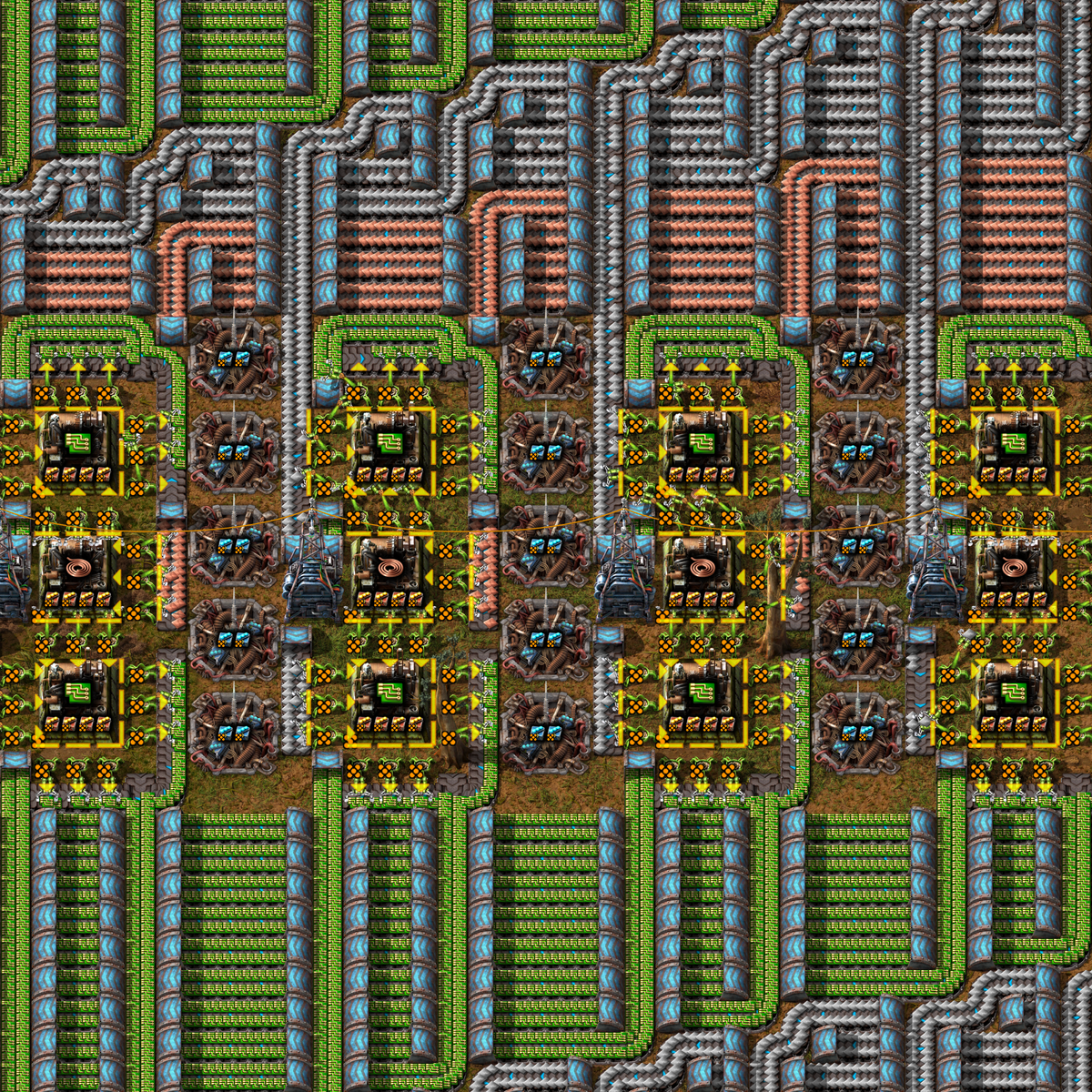
Featured image: Wube's September 8, 2023 development example of a factory using quality-marked machines. Historical gameplay illustration from Friday Facts #375, not a new Zypher build or a current-version blueprint recommendation. © Wube Software.
Read the quality beside the item name
The official Factorio Wiki's current quality reference lists five tiers: Normal, Uncommon, Rare, Epic and Legendary. The higher tiers need their associated research; they are not all available as soon as you begin. Quality improves different attributes on different objects, and the tooltip marks affected attributes with a blue diamond.
Start with that tooltip before deciding what deserves an upgrade. An improved attribute only helps if it addresses something you actually want from the item. A more desirable label is not a diagnosis of the factory's current problem.
Our recommendation is to name the benefit first: more useful performance from a particular machine, better equipment for the engineer, or another documented attribute you can point to. That turns the upgrade into a specific project. It also makes it easier to leave a perfectly adequate Normal item alone.

The machine and its output have separate jobs
A higher-quality assembling machine has greater base crafting speed. That does not, by itself, turn its products into higher-quality items. The current reference distinguishes improving the machine from installing quality modules to improve the output's quality.
Decide which result you need before moving rare equipment around. If your goal is producing upgraded items, inspect the production setup's quality effect. If your goal is improving an existing machine's performance, inspect the attribute that changes on the machine itself.
Keeping those questions separate also helps explain an apparently disappointing result. A faster machine producing the same tier of item may be doing exactly what its upgrade provides. The mistake would be judging that investment against an output-quality goal it was never equipped to meet.
A quality module supplies a chance
The quality-module documentation describes a probability of better output, with the module's tier and its own quality affecting that probability. It also lists a crafting-speed penalty. Installing one is a production tradeoff, not a promise that every finished item will improve.
Plan where both ordinary and improved results will go before starting a larger run. If you need a certain quantity of upgraded items, leave room for the other outcomes too. A short run that misses your target is not enough evidence that the feature has stopped working.

Match the ingredients to the selected recipe quality
The quality reference specifies that item ingredients must match the recipe's quality. Quality modules can raise the result above that starting tier; without an improvement, crafting retains the recipe's base quality.
When a production step stalls, compare the selected recipe quality with the items being delivered. Do that before assuming that the familiar item name proves the supply is correct. The quality marker is part of the requirement.
Keep your first experiment small enough that you can trace each item. Choose a target product, identify its required inputs and watch where the results end up. This is our learning recommendation, rather than an optimized factory design. Understanding one complete path gives the next expansion a much firmer starting point.

Give the first upgraded item a destination
Before producing a pile of expensive equipment, choose where the first useful result will go. Write down the item, its target quality and the benefit you expect. After placing it, check that benefit against the surrounding setup. A better individual machine can still sit in an arrangement that is waiting for something else.
That is also a reason to keep the experiment separate from the production your factory already relies on. Watch its inputs, its output mix and the demand it adds. You can enjoy chasing a better tier without committing every unrelated production line to the same chase.
For background, Wube's original quality announcement explains the design's aim of adding another way to improve a factory. Its examples date to September 2023. Use current documentation and in-game tooltips for today's values, rather than copying an early development number into a new calculation.
Checked November 13, 2026. Mechanics follow the linked official Factorio Wiki references; suggested project planning is Zypher editorial advice. All four visuals are Wube's unchanged website assets, used under its explicit website-media permission. No new capture, playtest or guaranteed production result is claimed.


