Liberty City makes an impression before Niko Bellic has earned anything worth showing off. An apartment feels cramped. A car rolls heavily into a corner. The skyline promises a better life somewhere across the water. Then the phone rings, and somebody needs a favor.
That is the particular magic of Grand Theft Auto IV. Rockstar built a crime epic in which simply getting through the day has texture. Money, friendship, embarrassment, obligation, and violence occupy the same streets. The city can make an ordinary drive feel like a scene worth remembering.
Released for PlayStation 3 and Xbox 360 on April 29, 2008, GTA IV brought the series into the HD console generation. Its enduring appeal runs deeper than that technical leap. Liberty City has a personality, and the game gives that personality room to get under your skin.
Spoiler note: This feature discusses the premise, characters, and the setup of the midgame mission Three Leaf Clover. The major twists and endings are left for you to discover.
A City You Learn by Living in It
GTA IV's version of Liberty City is built around recognizable differences between places. Broker's seafront and neighborhood streets, Algonquin's concentrated wealth and tall buildings, and Alderney's industrial edges suggest different lives before a character explains them. The geography gives the story a social structure.
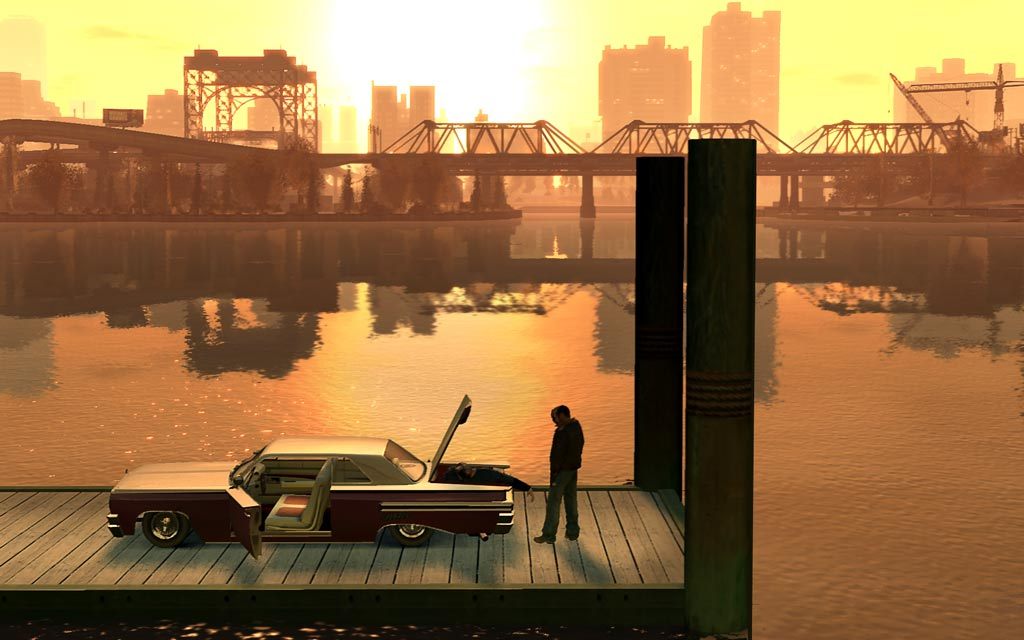
Bridges matter because crossing one changes the atmosphere. A waterfront view can make the city seem impossibly inviting; the street underneath that view can feel dirty, inconvenient, and exhausting. Those perspectives belong together. Liberty City is convincing because its grandeur and its indignities share the same space.
The game's density also encourages familiarity. Repeated trips build a mental map: a difficult turn, a road beneath elevated tracks, a particular approach to a bridge. Eventually, parts of the city become recognizable without the route line doing all the work. That familiarity makes a chase more personal. You are escaping through somewhere you know.
Rockstar even extends the fiction into the original manual, presented partly as a satirical city guide. Landmarks, restaurants, nightlife, and advertising all sell an exaggerated version of urban life. It is a useful clue to the whole game's approach: the setting has opinions about itself.
Niko Bellic Makes Success Feel Complicated
Niko arrives with experience that makes him useful to dangerous people. He is observant, capable, frequently funny, and deeply ill equipped to leave violence behind. His past gives the premise a weight that survives the game's most ridiculous detours.
His cousin Roman supplies a different energy. Roman talks up the life they could have, inventing a brighter picture than the one in front of them. Niko notices the distance between the sales pitch and reality almost immediately. Their relationship gives GTA IV an emotional language built from teasing, frustration, affection, and disappointment.
The best part of that pairing is how ordinary the affection can be. Roman is capable of being irritating without becoming disposable. Niko can sound exhausted while still caring. Small conversations make the family connection credible enough that the larger criminal story has something to threaten.

There is a lasting tension here. Niko wants distance from violence, while the player spends much of the campaign performing it. That tension can feel especially awkward after an extended burst of optional mayhem. It also gives the game something worth discussing: competence at surviving a criminal world keeps creating reasons to remain inside it.
Our reading is that GTA IV is most affecting when success feels insufficient. A nicer place to sleep can improve Niko's surroundings. It cannot automatically resolve the obligations, memories, or habits he brings through the door.
The Driving Gives Every Escape a Physical Shape
GTA IV asks you to take a vehicle's momentum seriously. Cars lean, their suspension moves visibly, and hurried steering can turn a manageable bend into a messy argument with the pavement. A heavy sedan has a different temperament from something smaller and quicker.
That makes the handling divisive for understandable reasons. A player looking for immediate, forgiving turns may find it sluggish. A player who enjoys learning when to brake and how a vehicle settles may find the same behavior absorbing. Calling it simply good or bad misses the kind of participation it demands.
The satisfying approach is to plan a little earlier. Brake before a tight corner, give the car time to change direction, and resist correcting every slide with another enormous steering input. A cleaner getaway starts to feel earned through judgment.
Crashes have their own dramatic value. Losing a line through traffic can leave you in the wrong lane, pointed toward a new problem, with the chase changing character around you. The physical mess gives an otherwise familiar drive-and-escape objective a story of its own.
This does not make GTA IV a driving simulator. Its exaggerated behavior serves an action game. What matters is that the car feels like an object with consequences, and that turns the street into something you negotiate.
Liberty City Sounds Like Somewhere People Live
Radio gives travel a mood. A station changes how an avenue feels, how long a journey seems, and whether the next few blocks play like a comedy or a melancholy interlude. The presenters and advertisements help make the music belong to the city.
The surrounding media builds on that effect. Television, internet cafés, fictional websites, and billboards create a place that keeps talking even when nobody has a mission for Niko. Much of the satire is loud and deliberately unpleasant. Its cumulative effect is a city with a recognizable appetite for money, attention, and self-justification.

Some of that humor has aged awkwardly. A retrospective should leave room to acknowledge material that feels repetitive, cruel, or too pleased with its own provocation. The atmosphere remains powerful even when an individual joke fails.
The important design choice is that the city can hold your attention between objectives. There is value in taking the long way across town, looking out from a waterfront, or letting a conversation finish. GTA IV rewards a little unproductive time.
The Phone Makes Friendship Both Human and Inconvenient
The mobile phone connects work and social life through the same small device. It delivers opportunities, instructions, and invitations. That is an elegant way to make Niko seem reachable, and it also means the rest of Liberty City can intrude on whatever you intended to do.
The friendship activities are often remembered through Roman's enthusiasm for bowling. Underneath the joke is a worthwhile idea: a relationship needs somewhere to exist outside a cutscene about the next crime. Driving to an activity gives characters time to talk about themselves and each other.
Those trips can turn a supporting character into someone with insecurities, opinions, and a sense of humor. Quiet conversation carries a different intimacy from a mission briefing. It is one of the ways GTA IV makes its cast feel as though they have lives around Niko's.
The inconvenience is real, too. Another invitation can interrupt an evening when the player wants to advance the story. Maintaining relationships can start to resemble administration. The system's charm and its irritation grow from the same decision: these people are allowed to want your time.
Combat Is Strongest When the Street Becomes Part of It
The cover system changes the pace of GTA IV's gunfights. Vehicles, doorways, corners, and low walls become decisions about exposure and position. Shooting acquires a more deliberate rhythm, even while the surrounding action remains chaotic.
Character reactions give that chaos a distinctive physical texture. Bodies can stumble, buckle, and collide with nearby objects in ways that make a scene feel unstable. The animation technology helps sell impacts, although the broader effect depends just as much on the traffic, scenery, sound, and movement around them.
Three Leaf Clover is a useful example of the game bringing its strengths together. Its bank robbery setup grows into an escape that moves through the city. The appeal comes from how the situation changes as you move: positions become temporary, streets become dangerous, and getting away starts to matter as much as winning a particular exchange.

The campaign does not sustain that level of invention in every mission. Familiar sequences of driving, shooting, and chasing recur often enough to expose the structure. The strongest encounters use a particular location or relationship to give those actions meaning.
Where the Friction Stops Helping
GTA IV benefits from resistance when it makes the world feel substantial. Repeating a long approach after failure can have the opposite effect. Once a journey becomes something to endure before another attempt, its atmosphere loses power.
Movement and cover can also feel cumbersome when precision matters. In a busy fight, wrestling with positioning is less interesting than deciding where to go. A dense city sometimes makes navigation awkward in exactly the wrong moment.
The story has its own pacing challenges. Niko meets enough employers and intermediaries that individual stretches can blur together. A compelling conversation may be followed by an objective you have effectively performed before. The writing does considerable work to keep those repetitions engaging.
These weaknesses belong in any serious appreciation of the game. GTA IV earns its reputation through the combined force of its city, characters, and systems. That combination can be remarkable while individual hours remain uneven.
The Lost and Damned Turns Loyalty Into Pressure
Johnny Klebitz enters Liberty City with a community already around him. The Lost and Damned follows a motorcycle club whose shared identity is supposed to provide belonging and protection. Its internal tensions make those promises increasingly uncomfortable.
Rockstar's episode manual establishes the central conflict clearly: Johnny has pursued business and truces while club president Billy Grey has been away. Billy's return threatens that work. The disagreement makes the club's future a question about whose idea of loyalty will prevail.
Motorcycles give the episode a different visual and social rhythm. Riding as part of a group makes the road feel like shared territory. The club's symbols and rituals create a sense of attachment before the story asks what maintaining that attachment costs.
Our interpretation is that Johnny's story strengthens GTA IV's larger portrait by showing an established insider struggling with obligations of his own. Niko is searching for a foothold. Johnny already has one, and it comes with people who can pull him down.
The Ballad of Gay Tony Finds Anxiety Behind the Velvet Rope
Luis Lopez has access to a more glamorous Liberty City. As Tony Prince's right-hand man, he works around nightclubs, wealth, celebrity, and expensive trouble. The Ballad of Gay Tony changes the city's presentation without making its powerful people seem secure.
The official premise puts Tony's debts and threatened nightlife empire at the center. Luis must handle the consequences while balancing loyalties elsewhere. Being close to money creates work, risk, and dependency of its own.
The episode also embraces a more exuberant action vocabulary. BASE jumping is a particularly clear statement of intent: a skyline that looked distant from Niko's early streets becomes somewhere to launch yourself into the air. The city gains a new relationship with height and spectacle.
The tonal change is welcome because it reveals another convincing side of the same place. Liberty City can accommodate exhausted street-level survival and extravagant nightlife. The connections between the stories make those extremes feel closer together than their characters might like.
Played together, the three campaigns show how perspective changes a setting. An encounter can matter differently once you understand who arrived with which problems. Rockstar gets more out of the city by letting other people inhabit the foreground.
Know Which Liberty City You Are Buying
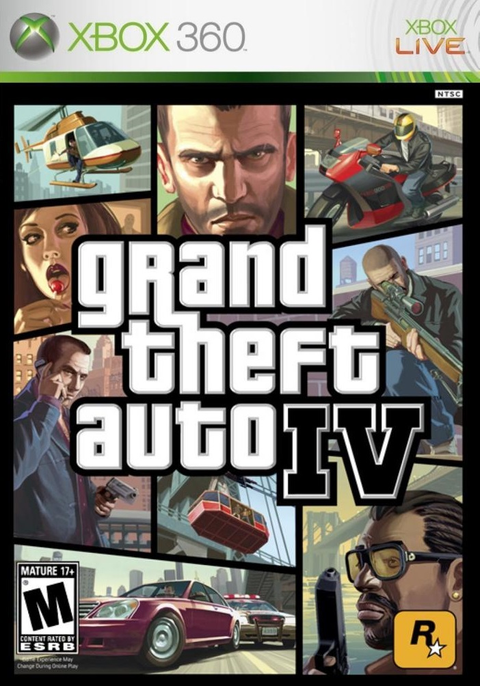
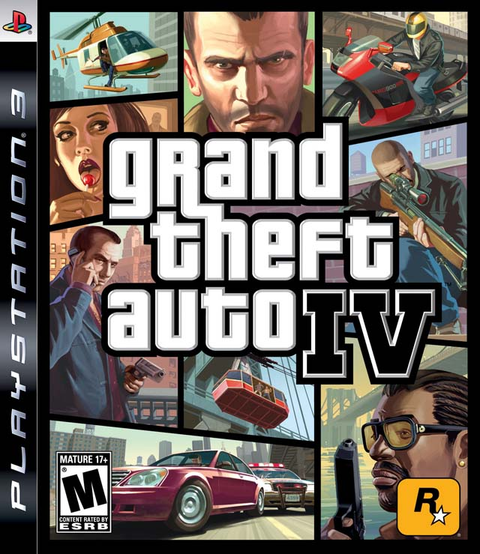
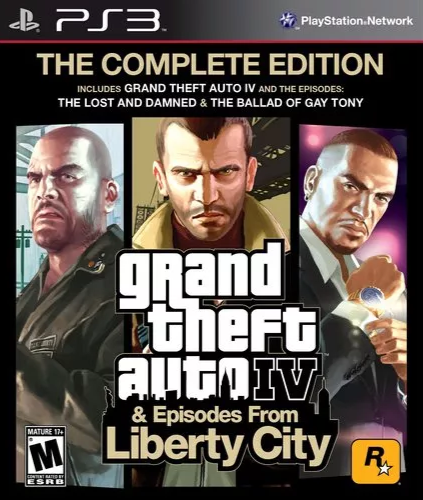
The names on the boxes deserve a moment of attention. These releases contain different combinations of stories:
| Release | Story Content | What to Check |
|---|---|---|
| Grand Theft Auto IV | Niko Bellic's original campaign | The base game title alone does not promise both expansions. |
| Episodes from Liberty City | The Lost and Damned and The Ballad of Gay Tony | The standalone episode compilation does not include Niko's full campaign. |
| Grand Theft Auto IV: The Complete Edition | The original campaign and both episodes | Confirm the exact platform, included media, and listing description. |
PC buyers should also read the current platform notice. Rockstar's 2020 Complete Edition transition removed Games for Windows Live, the original multiplayer mode, and leaderboards from that PC release. Old marketing language and user tags can describe features that no longer apply to it.
For physical copies, compare the selected condition and included discs. A used insert or old download code is not a substitute for confirmed playable content. Artwork and packaging alone cannot establish what a particular copy includes.
Zypher carries listings for GTA IV on Xbox 360, GTA IV on PlayStation 3, and GTA IV & Episodes from Liberty City on PS3. Check each product page for current availability and condition choices.
Give Liberty City Time to Become Familiar
For a first visit, start with Niko. Let the early neighborhoods establish the scale of his life before rushing to see everything. Spend some time driving without treating each corner as an obstacle between objectives. Follow a conversation, try a different radio station, and allow the city a few minutes without a checklist.
Then play Johnny's story and Luis's. That order lets the expansions build on places and connections you already recognize, while their different moods keep the return interesting.
GTA IV's lasting achievement is the feeling of having spent time somewhere. Its streets can be funny, hostile, beautiful, and inconvenient within a single trip. Its characters want things from one another that money and firepower cannot neatly settle.
Years later, a turn onto a familiar road can bring all of that back. Liberty City stays with you because Rockstar gave it enough character to feel familiar long after the story ends.
Sources and Further Reading
- Take-Two / Rockstar: original GTA IV console release announcement.
- Rockstar: original GTA IV PC manual and Liberty City guide. Historical documentation; its original online-service descriptions are not current PC feature promises.
- Rockstar: Episodes from Liberty City manual.
- Rockstar Store: Complete Edition story and content overview.
- Official Steam listing: PC Complete Edition changes and publisher screenshot gallery.
- Rockstar: The Ballad of Gay Tony BASE jumping video.
- GameSpot: contemporary console review and its ten-year retrospective.
A Zypher XP retrospective combining documented game features with editorial analysis. This article is not a new hardware benchmark or a claim of a fresh playthrough. Publisher screenshots illustrate the game discussed; image rights remain with their respective owners.