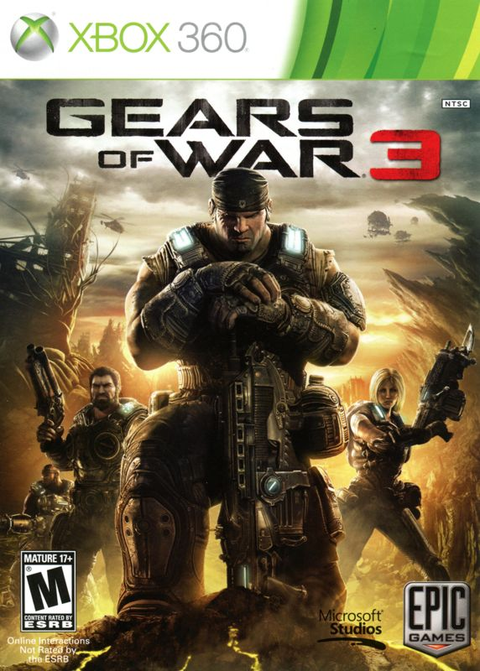
In Gears of War 3, Arcade campaign gives a familiar firefight another consequence. Taking a hit is bad for staying alive. It can also be bad for the score the whole team is building.
That small change makes Arcade worth separating from an ordinary campaign replay. You still travel through the story, but the shared points and multiplier encourage a more deliberate look at cover, momentum and how teammates keep one another standing.
This guide explains that scoring relationship using the licensed Prima campaign guide and official released-game images. The screenshots show Gears of War 3's combat and characters; they are not presented as captures of a visible Arcade score counter. Our separate completion guide covers the Stats & Awards menus.
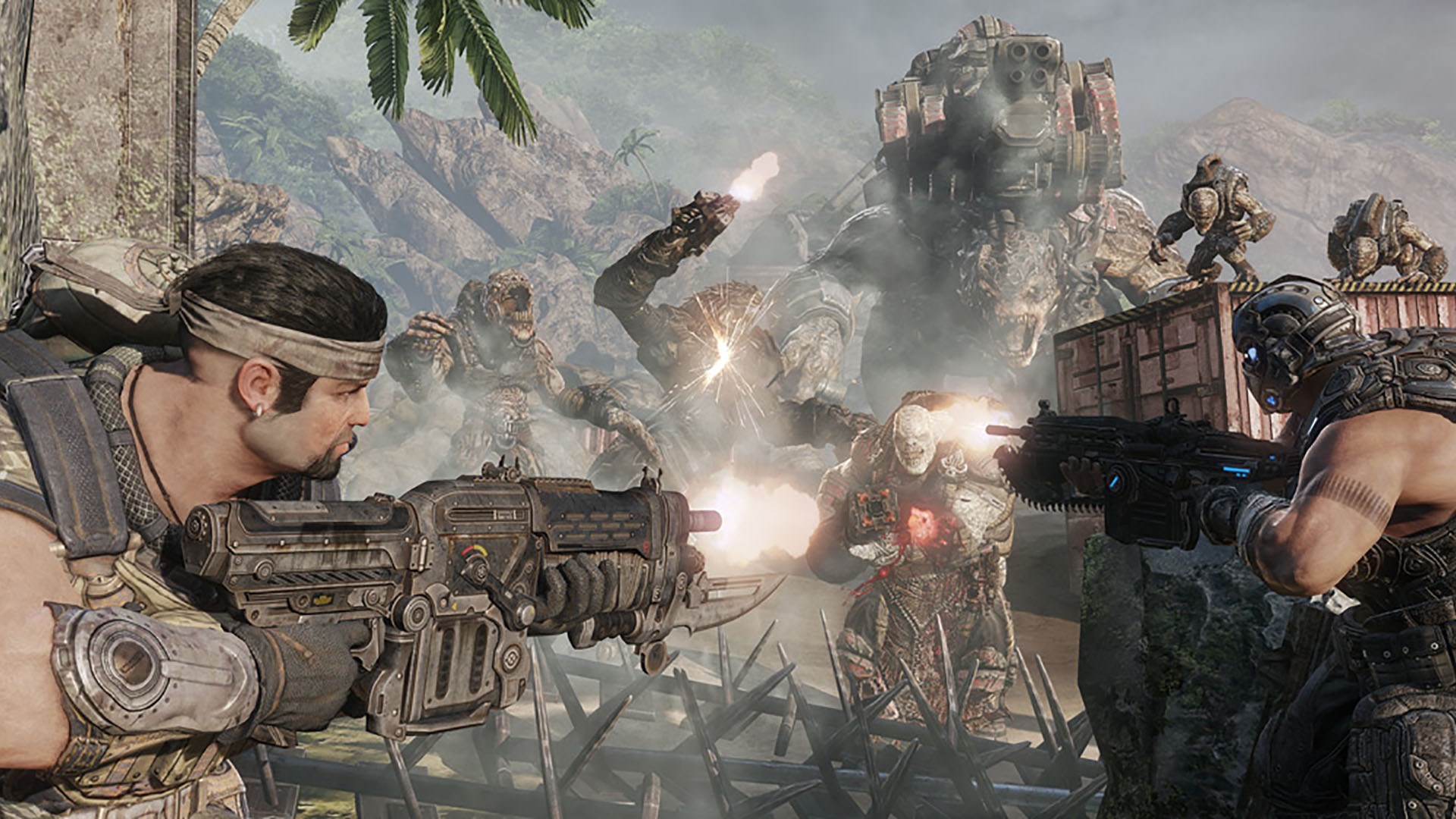
Arcade is a campaign variant, not a Horde match
Prima's campaign chapter distinguishes solo, cooperative and Arcade versions of the story. Arcade can be played alone or with a total of two to four cooperative players, adding scoring to the campaign framework.
That means a group choosing Arcade is choosing a way to replay the campaign, rather than switching to Horde's wave structure or Beast's playable Locust assault. Make that distinction when arranging the session. A friend expecting to build defenses in Horde is preparing for a different activity.
For a first Arcade evening, choose a campaign stretch the group recognizes. Familiarity leaves more attention for the score system instead of asking everybody to learn the route and a new team objective simultaneously. You can enjoy the story again while giving the encounters a fresh emphasis.
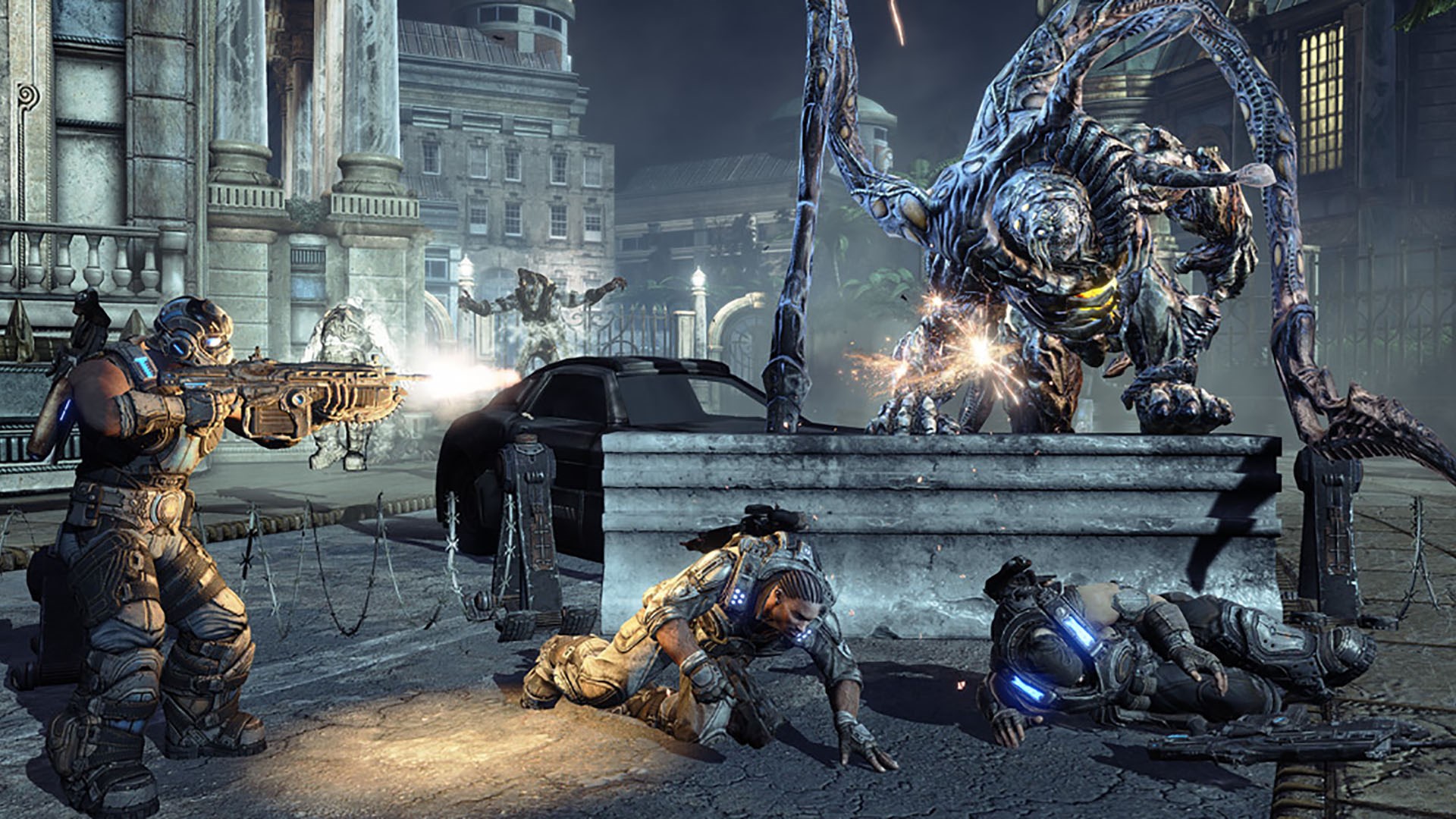
The points belong to one shared effort
The guide describes a shared pool of points and a team multiplier. Enemies and some objectives have point values. Kills increase the multiplier, which increases the value of later kills.
Our takeaway is that the team has a reason to think about continuity, not just isolated impressive shots. A clean sequence of ordinary engagements can serve the score better than one dramatic move that leaves the squad collapsing around it.
Talk about the pace you want before starting. If half the group wants to chase a score and the rest wants to wander through the scenery, the rules are not the source of the disagreement. Agreeing on the kind of replay makes it easier to enjoy what Arcade adds.
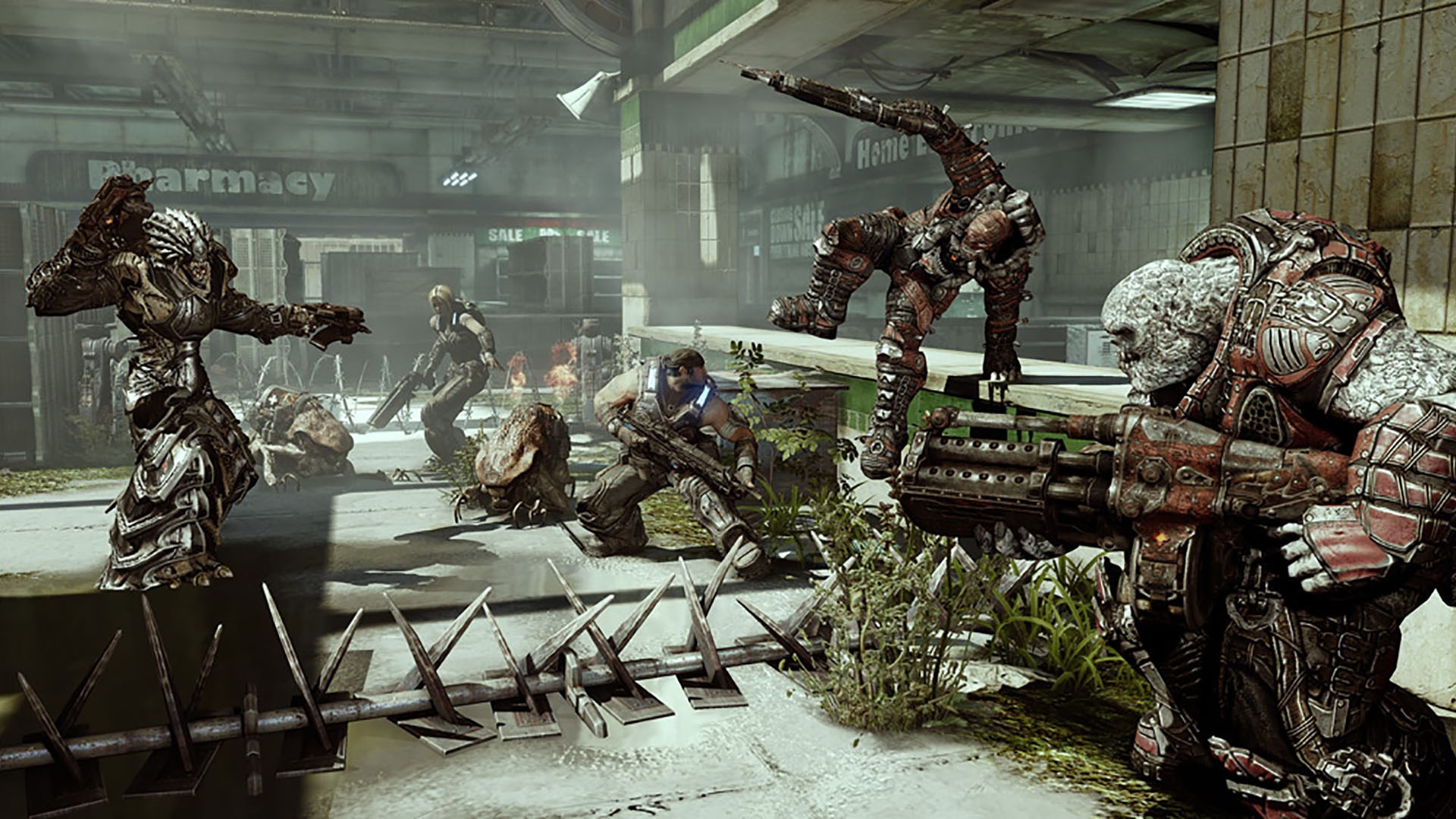
Damage creates a scoring cost before anyone dies
Prima explains that incoming damage drains the multiplier meter. A downed player drains it faster, and a death resets it to 1x as play returns to a checkpoint.
That makes cover a scoring tool as well as a survival tool. Before leaving a protected position, consider what the move should accomplish and how exposed it leaves you. A few more hits absorbed for an unnecessary angle can affect more than your own screen.
The useful question after a rough encounter is not simply who missed the most shots. Was somebody isolated? Did the group move before noticing the next firing lane? Did a rescue become another down? Arcade gives those familiar cooperative mistakes a shared numerical consequence, which can make them easier to discuss without reducing the conversation to blame.
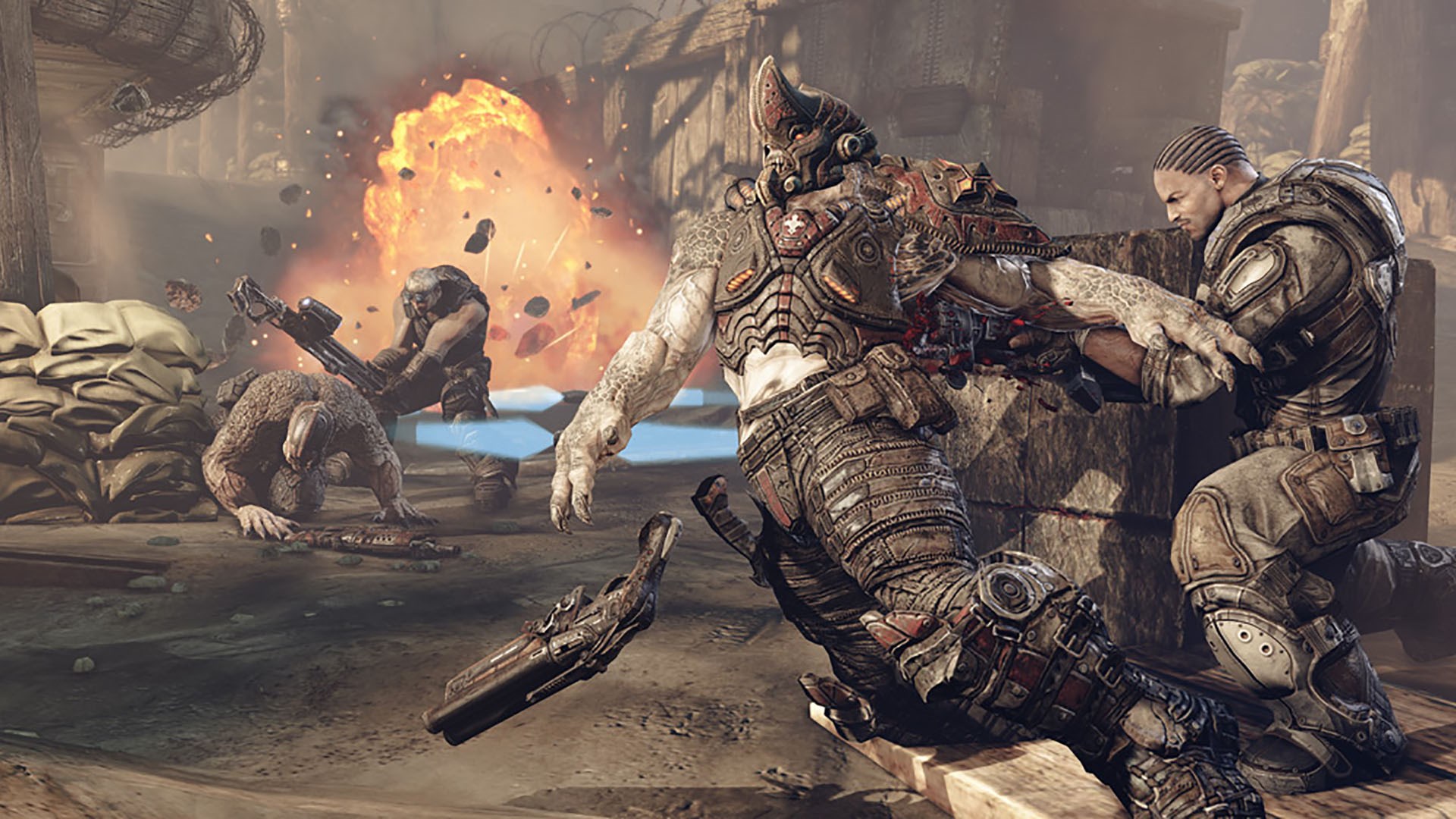
A rescue needs a route, not just good intentions
A downed teammate creates understandable urgency. The scoring rules add another reason to help, but charging into the same dangerous lane can turn one problem into two.
Our recommendation is to communicate the rescue. Let another player know who is moving, what threat still needs attention and where the group intends to regroup. Use the game's cover and squad positioning to make the recovery a team action.
This is not a claim that every down can be safely recovered or that one rescue pattern works in every chapter. It is a reminder that the shared multiplier makes survival collective. Keeping a teammate standing begins before the down, with the positions and threats the whole group chooses to ignore or address.
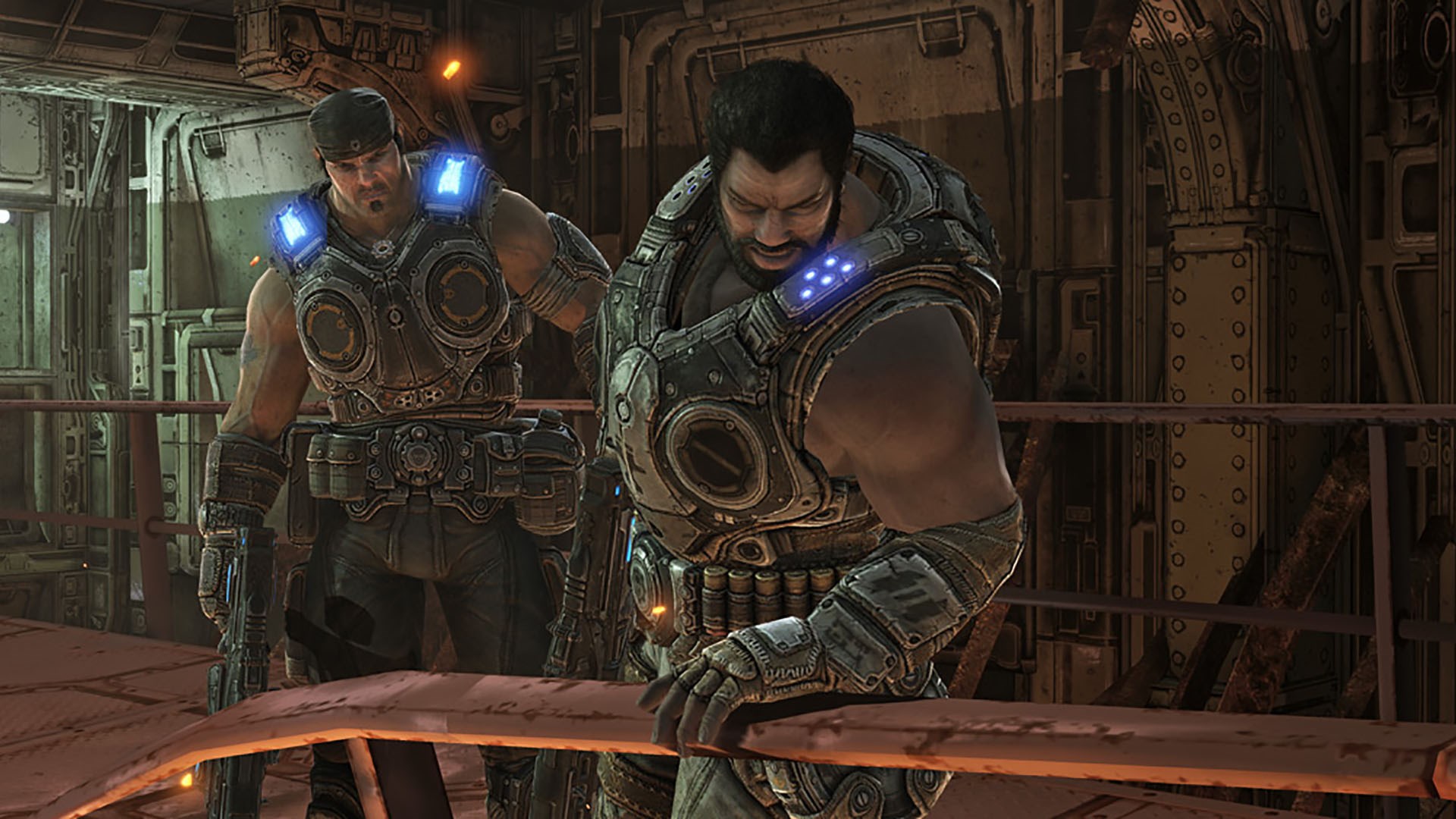
Spotting helps turn attention into a shared target
The licensed guide documents enemy spotting by aiming and clicking the left thumbstick. It can direct teammates' attention to a target, including in campaign play.
Use that information with a short instruction. A marked threat and a clear request are more useful than several people naming different enemies while firing at whichever one appeared first. The group can concentrate its effort without needing every player to stand in the same place.
That is especially helpful for a less experienced teammate. Giving a target a visible reference makes it easier to join the plan. Arcade should add a reason to coordinate, not make the player learning the encounter feel like an unwanted passenger.
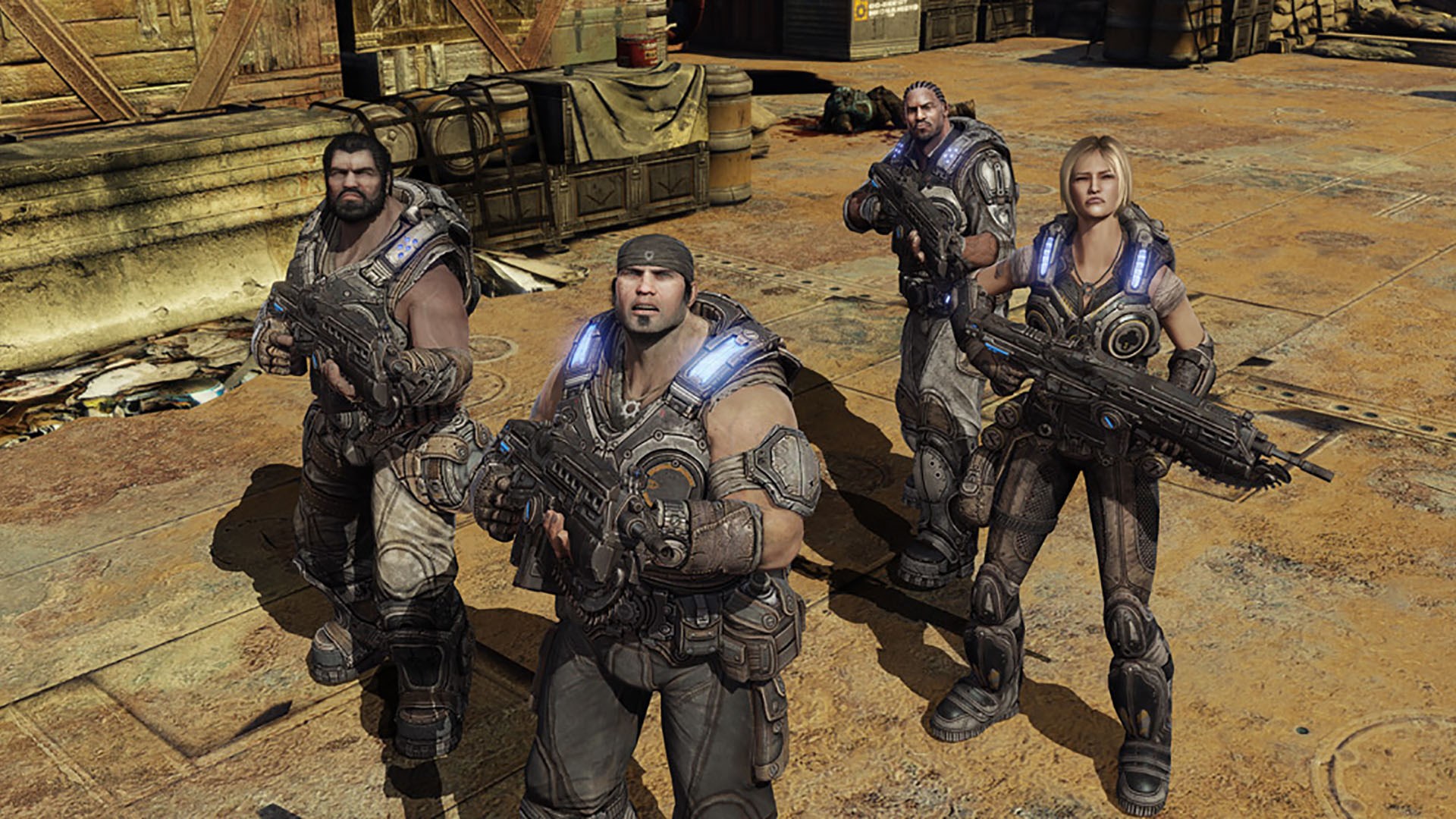
Mutators should be a conscious change to the experiment
Prima's separate Mutators section documents rule changes ranging from No Ammo Pickups to Enemy Regeneration and novelty effects. Its Infinite Ammo description still requires reloading between clips. The name does not mean every weapon-handling action disappears.
If you use available mutators, read their descriptions and unlock requirements before comparing the session with a previous run. A changed ruleset changes what the result means. Do not follow an old special-event playlist instruction as proof that the same event is currently running.
For a first look at Arcade, our preference is to learn the ordinary scoring relationship before adding a stack of extra variables. Once the group understands why damage and downs matter, a deliberate rule change has a clearer purpose. Novelty is more enjoyable when you know which part of the familiar game it is twisting.
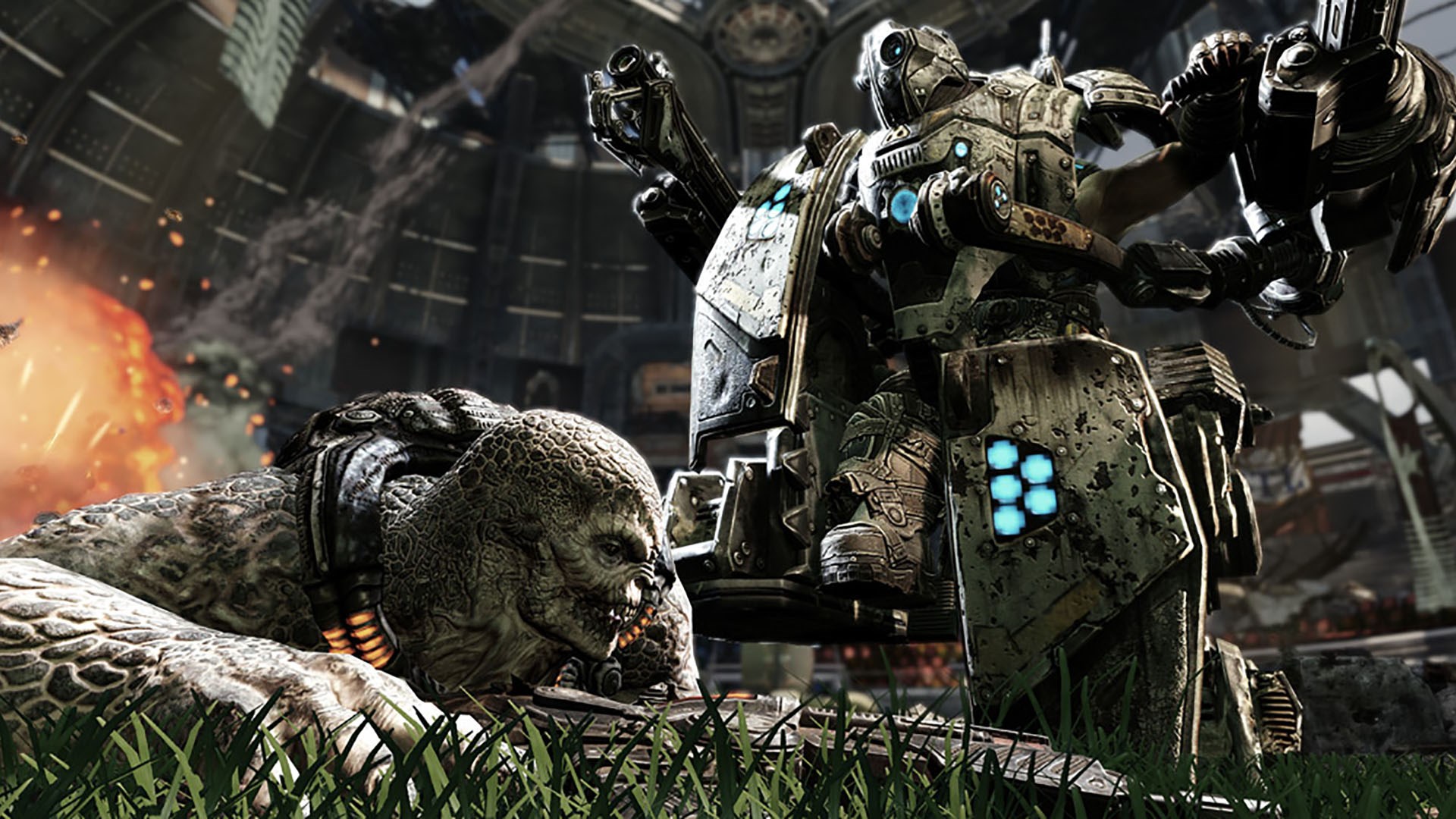
Treat the score as feedback for the next encounter
The interesting replay question is whether the squad stayed organized while keeping the action moving. A rising score can tell you that the rules rewarded the run. It cannot, by itself, explain which decision made the difference.
After a checkpoint, discuss one concrete moment: a successful regroup, a marked target everybody noticed or an exposed advance that hurt the multiplier. That gives the next encounter something useful to build on without turning the evening into a meeting.
Arcade's appeal is that it asks for a cleaner reading of battles you may already know. The campaign still supplies the spectacle. The score makes the space between the spectacular moments matter a little more.
Check Zypher's Xbox 360 listing for the exact copy and contents. A standard used disc does not establish ownership of every separate add-on. For games ready to leave your shelf, start with selling to Zypher.
Choose your next squad game from Zypher’s current shelves. For record tracking after the session, see our Gears of War 3 completion-screen guide.
Sources: Licensed Prima eGuide: campaign modes and difficulties; Licensed Prima eGuide: mutators; Official Gears of War 3 overview. Interpretation and practical recommendations are Zypher editorial judgment. Original image proportions retained; Zypher is an independent retailer.