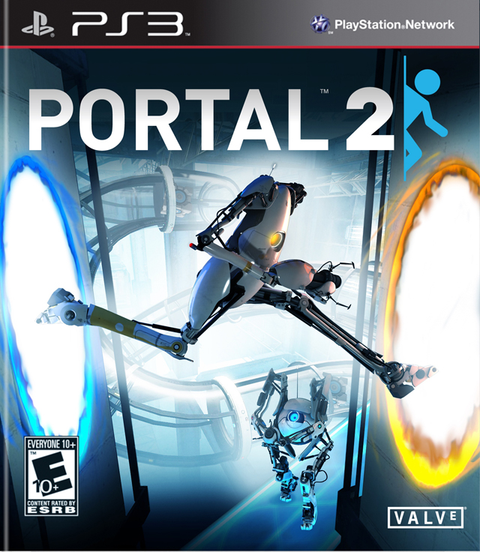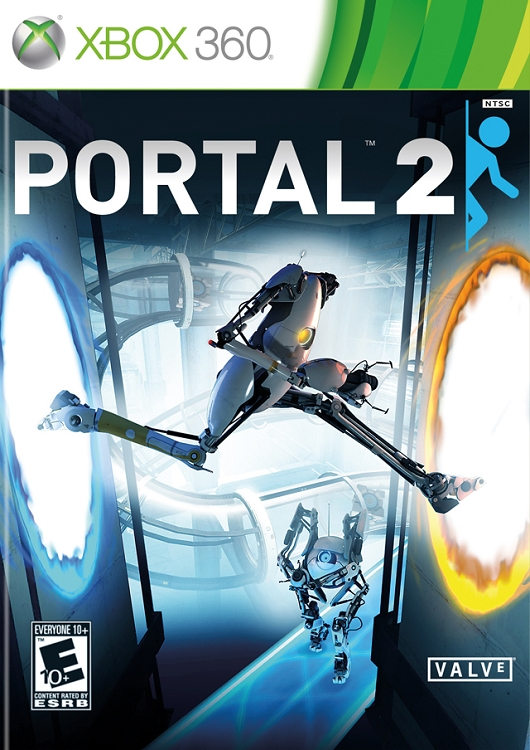
“Put your portal over there” sounds like a complete instruction until the person hearing it points at three different walls. Portal 2 understands this problem beautifully. Giving two people the tools to solve a puzzle does not mean they have agreed on what the puzzle is asking.
Valve built a separate two-player campaign rather than dropping a second player into the solo story. That decision gives co-op room to be its own thing: two viewpoints, two sets of portals, and a solution that has to survive being explained to somebody else.
Your partner is part of the puzzle
In Valve's original developer interview, the team explains that the co-op chambers require two players. The extra person is not an optional source of damage or somebody following the main player around. The puzzles are structured around the pair.
That changes the shape of a good idea. In a solo puzzle, understanding the route may be most of the work. In co-op, a useful plan also needs roles. Who creates an opening? Who moves first? What has to stay in place while the other person crosses?
The appeal is not simply having more portals available. It is needing to make another person's actions part of your reasoning. An elegant solution that exists entirely inside your head is still missing a fairly important component: telling the other player.
Understanding and execution are different jobs
Consider an ordinary co-op mistake: one player changes something because they think the next step is ready, while the other is still relying on it. Both players may understand individual pieces of the chamber. What they have not established is the order.
That is our favorite way to read the design. Portal 2 can make coordination itself feel like a discovery. A failed attempt may reveal that the route was right but the timing was wrong, or that a supposedly helpful action removed something the partner still needed.
This is where the comedy escapes the script and enters the room. “I thought you were done” has probably explained more cooperative disasters than any villain speech ever written.
There is a practical habit worth taking into a session: describe the next action before taking it. Name the surface or object you mean. Ask whether your partner is ready. You do not need to turn game night into a staff meeting, but “over there” is doing an unreasonable amount of work.
Learning together is a different kind of progression
Valve's developers described a gradual progression of co-op puzzles and recommended playing with one friend so you learn together. That does not mean a returning player cannot help a newcomer. It means there is value in both people arriving at the answer.
For a player who already knows a room, explaining every step immediately can turn a shared puzzle into an unpaid delivery route. Let the other person inspect, suggest and test. A little patience buys something a walkthrough cannot provide: the moment the two of you recognize the same solution.
The separate campaign also protects the solo experience. Co-op has its own story, characters and chambers. You are choosing a distinct mode, not asking a second player to occupy the quiet side of someone else's single-player adventure.
Check the platform before planning the session
The current Steam listing supports online co-op and shared or split-screen co-op. Its PC features, including Workshop support and Remote Play Together, belong to that version's listing. They should not be copied onto an older console box as if every edition has the same services.
For PS3, Valve's launch interview specifically confirms two-player local split-screen. The same historical interview also discusses services and promotional PC-copy offers from 2011. Those old announcements are not a present-day guarantee of online availability or a usable code in a used case.

If local play is the plan, confirm the exact version, controllers and mode before inviting somebody over. If remote play is essential, check the current service requirements for the platform you will actually use. “It had online on the box” is a historical fact, not a server-status check.
Our local multiplayer feature covers why that distinction matters for collectors. Here the reason is more immediate: you want to spend the evening disagreeing about portals, not discovering that the planned connection method was never checked.
A co-op game for people who want to solve something together
Portal 2 is a strong fit when both players enjoy observing a space and revising an idea. It is a less comfortable choice when one person wants a puzzle and the other wants constant forward motion without stopping to talk.
The important compatibility question might be the person sitting beside you. Can both of you be wrong for a minute without making it everybody else's problem? Good. Aperture has a room for that.
Get your copy from Zypher
Check Portal 2 on Xbox 360 or Portal 2 on PS3 at Zypher. Read the platform, available condition options and included items before buying. Old download inserts and Steam offers should only be expected when the listing explicitly confirms them.
Sources and image credit
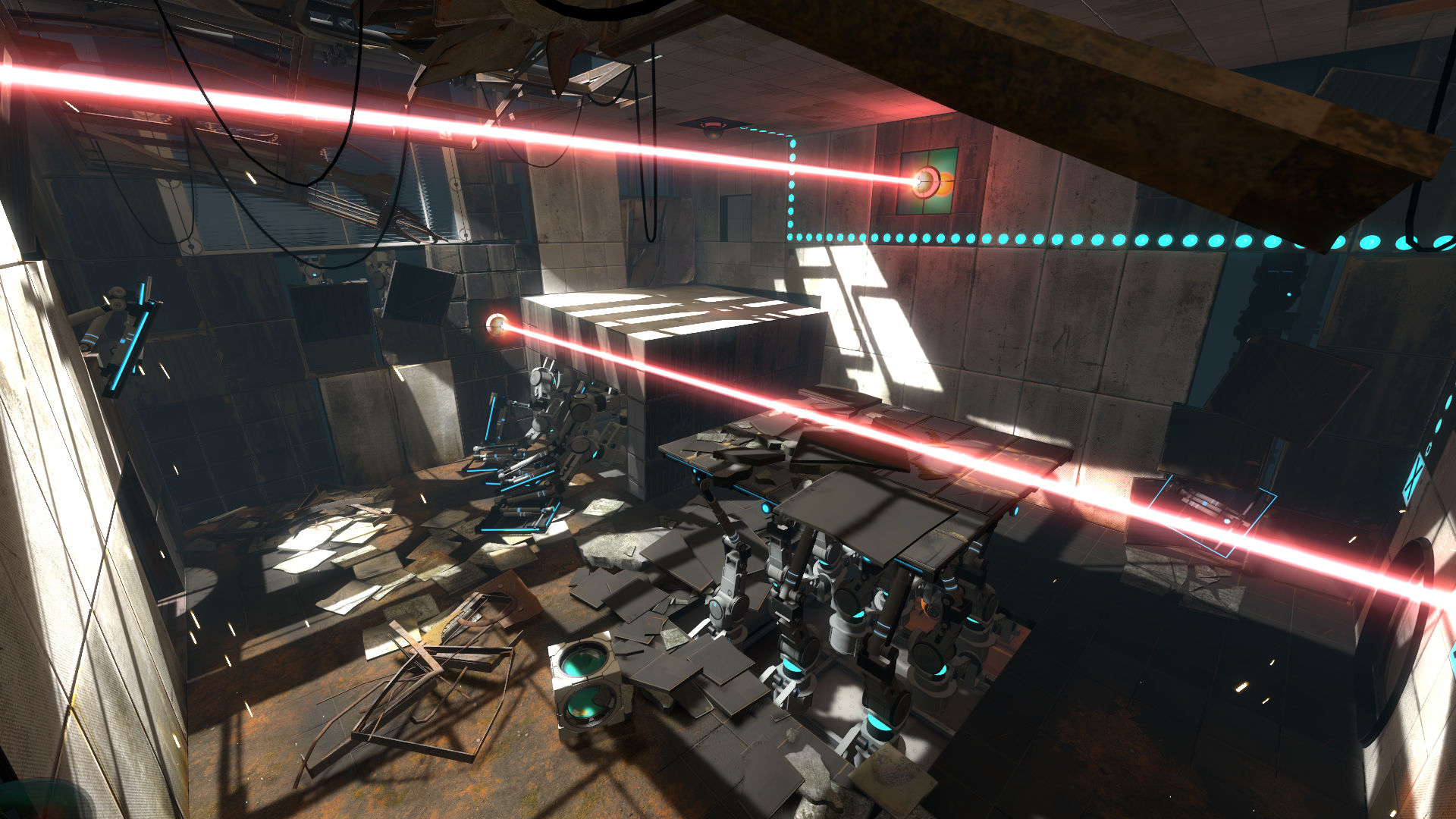
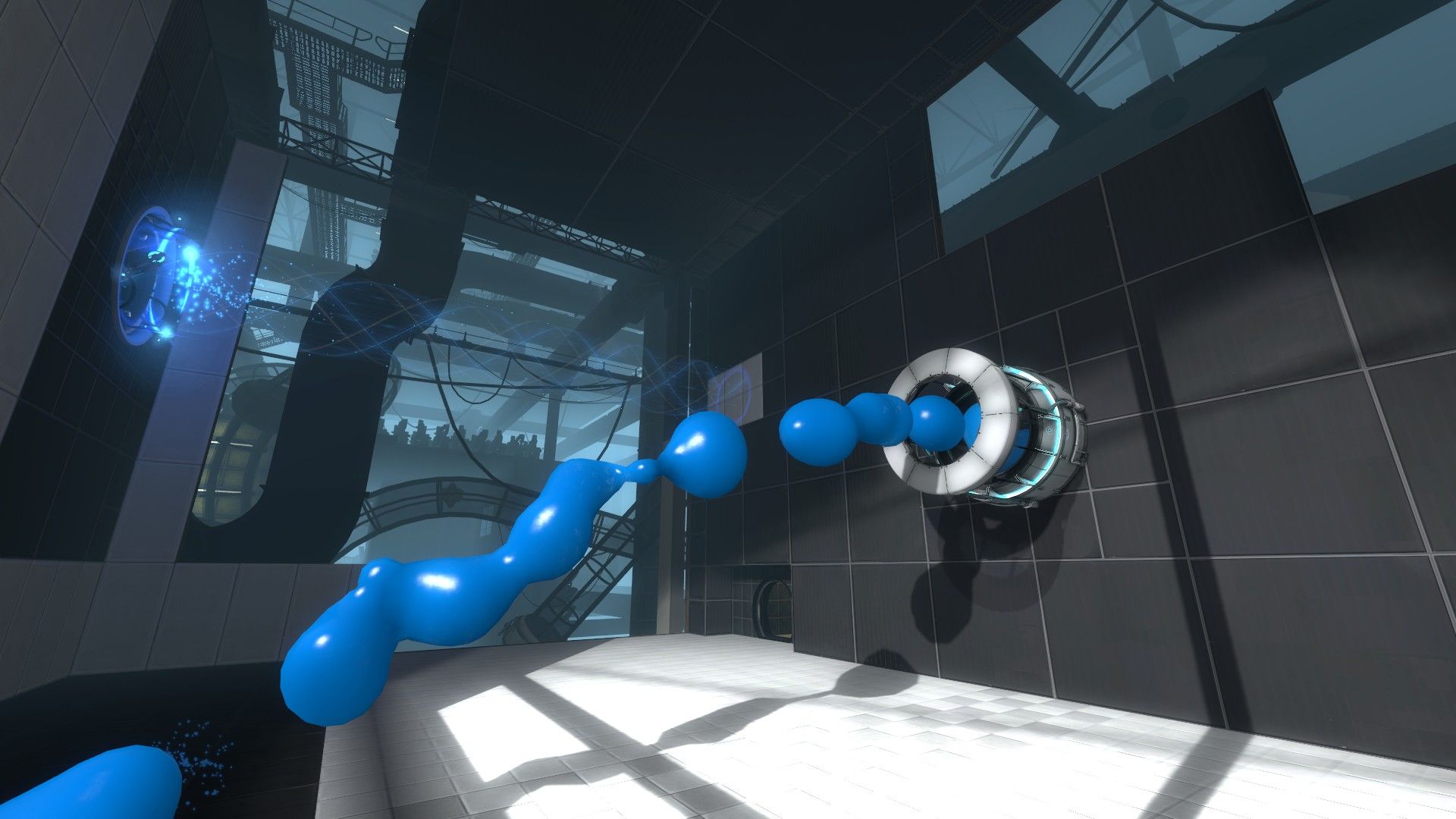
Valve's current Steam listing; Valve's 2011 developer interview; official Portal 2 overview. Checked October 21, 2026. Official PC environment screenshots illustrate the game's puzzle language, not specific co-op chambers or console image quality. Physical-edition images come from Zypher's catalog, with MobyGames attribution for the back-cover scan. © Valve Corporation.