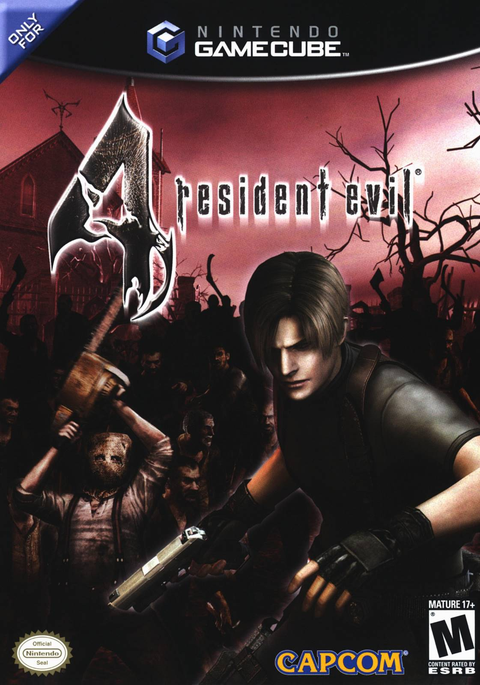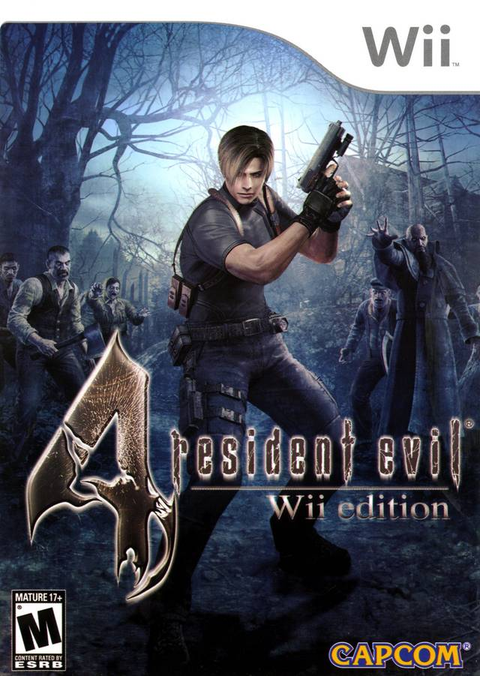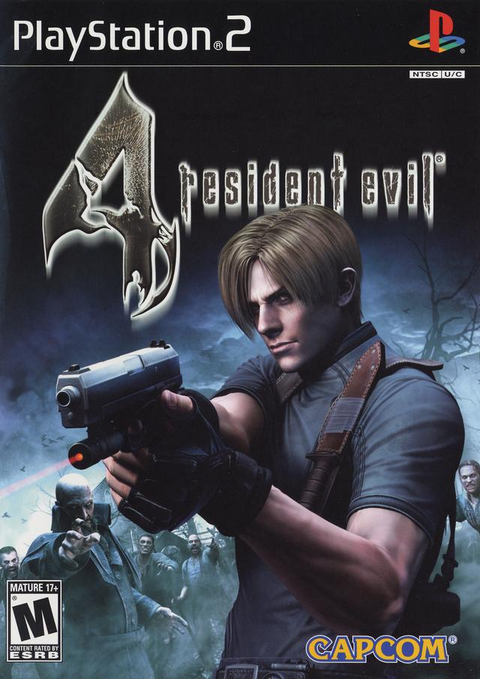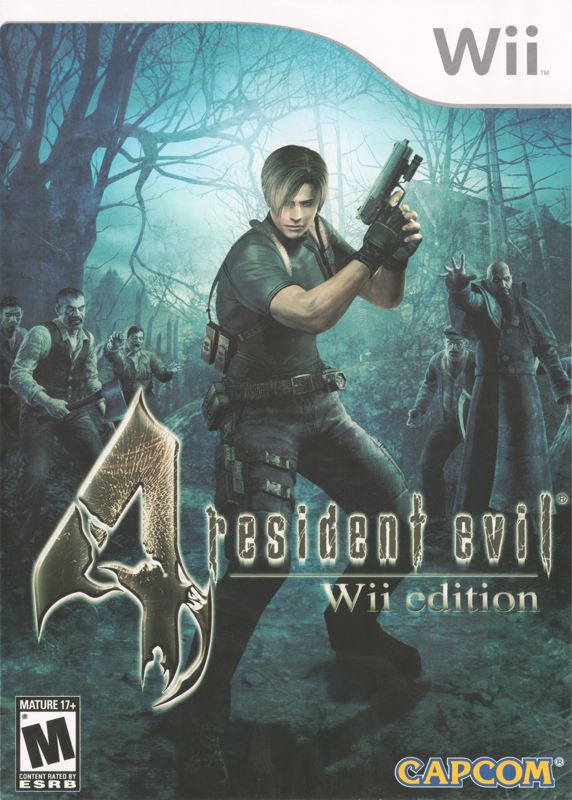
Resident Evil 4 gives Leon Kennedy a dangerous assignment, a village full of hostile locals and a suitcase that immediately becomes everyone else's problem. The attaché case looks like a pause-menu utility. In practice, it turns every new weapon, healing item and box of ammunition into a small argument about priorities.
That is why the inventory still matters. Plenty of games limit what a character can carry. Resident Evil 4 makes the limitation visible, movable and weirdly satisfying. You do not just choose what survives. You physically make the pieces fit.
A grid with consequences
The case presents equipment on a fixed grid. Items occupy different amounts of space, and larger gear can be rotated to squeeze into a better arrangement. A handgun is easy to accommodate. A shotgun is a long commitment. Ammunition, grenades, healing items and spare weapons all compete for the same limited room.
That visible footprint is the clever part. A conventional list can tell a player that capacity is full, but the case shows exactly why. One awkward empty strip might be useless until several items move. A new weapon can be affordable and still create a packing disaster. The menu communicates scarcity without needing a dramatic warning siren every five seconds.

Weapons have a real footprint
Resident Evil 4 does not treat two guns as equal because they both occupy one inventory slot. Their shapes matter. Keeping a second long gun means surrendering a noticeable block of space, while compact equipment can fill gaps that would otherwise be wasted.
This gives loadout decisions a physical cost. Carrying multiple answers feels reassuring until the case fills with overlapping jobs. Do you keep a backup weapon, more healing, or the ammunition that makes the primary weapon useful? The game does not deliver a universally correct answer. It gives the player a box and lets the consequences become obvious.

The merchant changes the math
The merchant makes the inventory more than a storage problem. He sells weapons, upgrades existing gear and offers larger cases. That ties space directly to progression. More room is not a cosmetic reward. It changes how many tactical options can travel with Leon.
Buying a weapon can also trigger the least glamorous boss fight in the game: reorganizing everything you already own. A shiny new purchase still has to justify its footprint. Resident Evil 4 lets the excitement of upgrading and the anxiety of limited space happen in the same menu, which is frankly rude and excellent.

Why tidying becomes tension
Organizing the case happens in a paused menu, yet it still carries pressure from the action outside it. A messy arrangement can hide how little useful ammunition remains. A beautifully packed case can reveal an even worse truth: there is plenty of room, but almost nothing worth putting there.
The system also creates a rare kind of ownership. The contents reflect personal habits. One player might protect healing supplies. Another might keep several weapons because selling one feels like admitting defeat. Someone else will arrange every grenade by color and pretend this is tactical necessity. The case becomes a readable record of decisions instead of an invisible spreadsheet.
That makes cleanup rewarding on its own. Rotating items and reclaiming one narrow column can feel like finding extra storage in a packed warehouse. It is still administration, but it has feedback, stakes and a clear visual payoff.
Why it still works
Capcom's current publisher listing on Steam identifies this release as Resident Evil 4 (2005), credits Capcom as both developer and publisher, and describes Leon's mission to rescue the U.S. president's kidnapped daughter. The original design remains available there because the game still has more to offer than historical importance.
The case limits resources, communicates weapon scale, supports progression and gives players a quiet puzzle between loud encounters. Most importantly, it makes preparation feel like part of the adventure. The pause menu is not outside the survival horror. It is where the next mistake gets scheduled.
Sources
Featured cover and gameplay images credited to MobyGames under its published reuse guidance.