RGG Studio apparently decided that surviving a street fight was not enough work. Stranger Than Heaven also wants you composing music and putting on live shows. PlayStation Blog's October 21 preview explains how those two sides of Makoto Daito's life fit into the upcoming game.
The new report comes from PlayStation Blog Japan's Sachie Kobari after a press preview. Zypher XP has not played this build. Sony's game listing and the report both give January 15, 2027 for the PS5 release.
Fighting with both sides of Daito
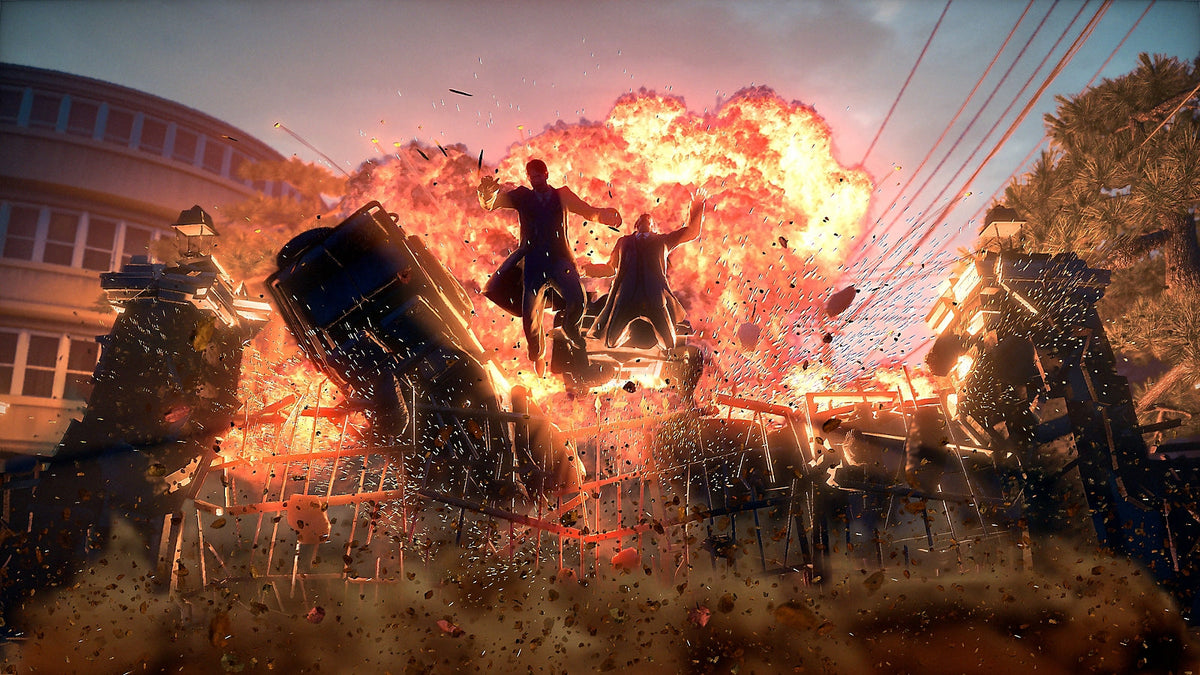
The preview describes shoulder buttons and triggers controlling the left and right sides of protagonist Makoto Daito's body independently. Weapons change the choices: a compact weapon and a large hammer do not carry the same timing or leave the same opening.
The part worth watching is what happens when several enemies crowd Daito. Independent sides could give you more control over where a strike or guard comes from. They could also give you more to think about while a hammer is heading in your direction. Future footage needs to show how clearly the game teaches those choices.

The city becomes part of the music
Sony's official game description outlines a music system built around collecting sounds from the world, finding performers, arranging songs and staging productions. The story spans five Japanese cities across different eras, beginning with Kokura in 1915 and eventually reaching Shinjuku in 1965.
The new preview adds that performance planning involves a cast, stage effects and revenue goals. That gives the quieter side of the game something more specific to do than decorate the map with distractions. A sound found while exploring can become material for a later performance.
For a studio associated with the Like a Dragon series, that combination makes sense as an idea: give the player a dramatic personal journey, then let everyday places support an unexpectedly elaborate activity. Here, the music provides a possible thread connecting different periods of Daito's life.

Fifty years is a lot of life to fit into one game
Moving a story across fifty years creates an appealing design problem. The cities need to do more than change the date on the screen. Music and work could give the different periods their own character through the activities you take part in. The question for the finished game is whether those changes make Daito's long journey feel connected.
That is an interpretation of the announced systems, not a verdict on how successfully the full campaign connects them. A press preview can show a compelling slice while leaving the overall pacing, repetition and difficulty balance unanswered.
What to watch next
The controls are the detail to keep an eye on in future footage. Clear enemy reactions, readable attack directions and understandable recovery windows will determine whether independent sides feel expressive or merely busy. The show-business loop has a parallel challenge: making preparation matter without letting menus interrupt the larger story.
There is enough here to put the game on an action fan's radar without pretending the review is already written. Brawling through history and producing the evening's entertainment is certainly a more memorable pitch than another map full of identical errands.
Explore another city's role in a game: our GTA IV Liberty City deep dive.
Play some RGG while you wait
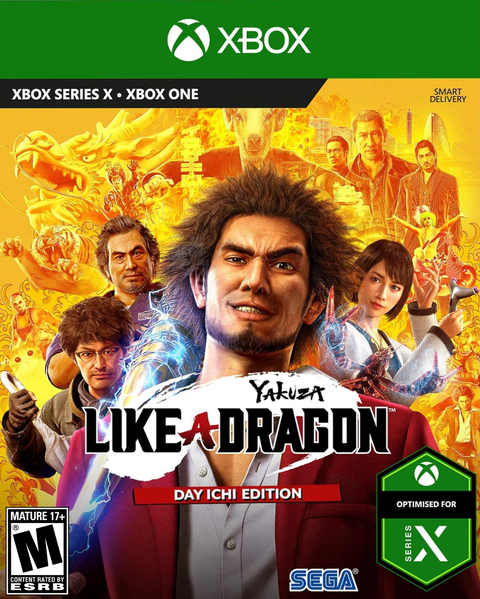
Want another game from the studio's catalog? Buy from Zypher: check Yakuza 4 for PS3 or Yakuza: Like a Dragon Day Ichi Steelbook Edition for Xbox. These are existing, separate games, not pre-orders for Stranger Than Heaven. Check each listing's platform, condition and included items.