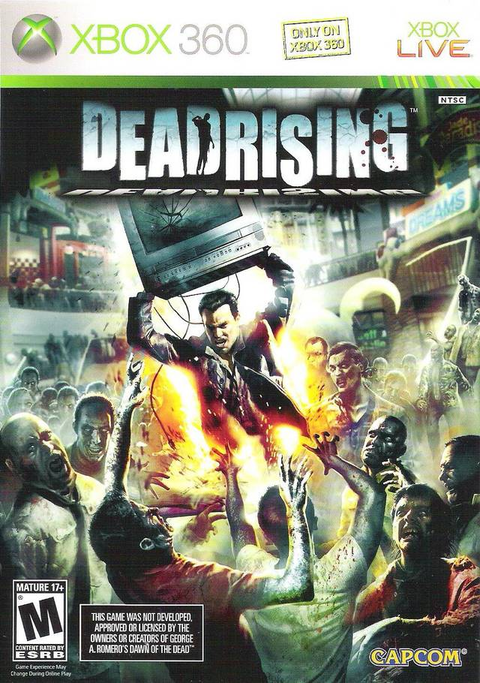
Twenty years after its August 2006 debut, Dead Rising on Xbox 360 still feels unusually committed to its own rules. Capcom did not simply place a zombie game inside a shopping mall. It built a clockwork disaster where time, distance, inventory space, survivor routes, photography, and player mistakes all compete for attention.
That pressure is the reason the original game remains so memorable. Plenty of action games let players clear every icon at their own pace. Dead Rising asks a harsher question: what are you willing to miss?
Why Dead Rising mattered in 2006
Capcom records Dead Rising as an August 2006 Xbox 360 release and notes that it passed one million units, an exceptional result for a new title on a new console. It arrived early enough in the Xbox 360 generation to look like a statement about what newer hardware could do. The mall was packed with an intimidating number of zombies, but the real leap was systemic rather than purely visual.
Willamette Parkview Mall is a setting, weapon cabinet, route-planning puzzle, comedy stage, and trap. Hardware stores, restaurants, bookstores, and parking areas can each solve different problems. The environment is not decoration. It is the game's central toolbox.
The clock is the real antagonist
Dead Rising's main structure is 72 Hour Mode. Frank has three in-game days to investigate the outbreak before his helicopter is scheduled to return. Story cases and optional scoops happen at specific times. Survivors can appear, wait, and disappear. Being late is not just a lower mission score. It can close an entire path.
The clock changes how the mall feels. A long detour is not free. Escorting survivors can cost time that might have been used on a case. A useful weapon is only useful if collecting it does not destroy the schedule. Even knowing the shortest route becomes a form of progression.
This is also why the game becomes more satisfying on repeat runs. Frank's level and abilities can carry into a new playthrough, while the player carries something even more valuable: knowledge. Routes become cleaner. Rescue attempts become less chaotic. Events that felt impossible begin to fit together. Failure is not outside the design. It is one of the ways the design teaches.
A mall where almost everything has a purpose
Dead Rising's weapon system turns ordinary retail clutter into decisions. Firearms and bladed weapons are powerful, but many items wear out. Food restores health. Books can provide bonuses while they occupy limited inventory space. Vehicles create shortcuts and crowd-clearing opportunities. Capcom's current official Dead Rising manual explains the same core relationship between weapons, durability, food, books, and vehicles that made the original loop distinctive.
The important part is not simply that Frank can swing ridiculous objects. It is that each object has a cost. Carrying a healing item means not carrying something else. Saving a strong weapon for a boss can leave Frank using whatever happens to be nearby. The mall constantly invites improvisation, then makes the player live with the choice.
Frank West is a photographer, not just an action hero
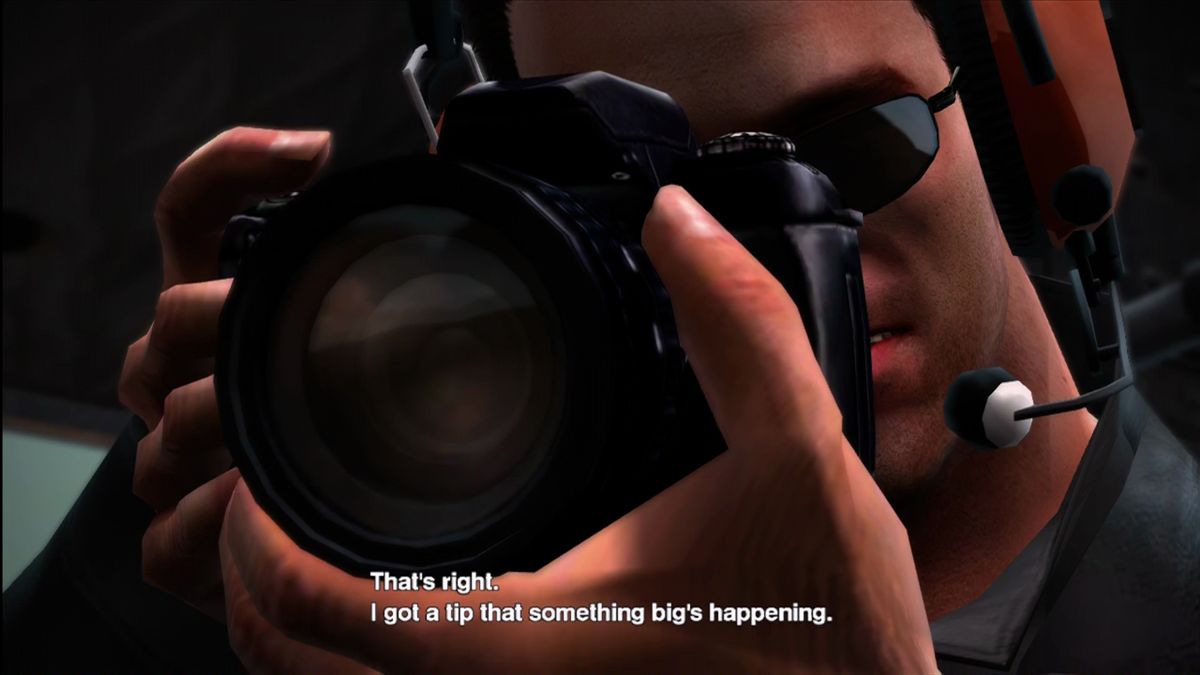
Frank's camera gives the chaos a second meaning. Photos award Prestige Points based on what is captured and how the scene is framed. The system encourages players to look at danger instead of only destroying it. A crowd, an attack, a frightened survivor, or a ridiculous moment can become valuable evidence and character progression.
Capcom's official camera guide confirms the connection between photo content, target framing, genres, and PP. That mechanic fits Frank better than a generic experience bar would. He grows stronger by behaving like the photojournalist the story says he is.
It also creates one of Dead Rising's best tensions. The safest response is often to back away. The most rewarding photo may require Frank to stay close for one more second.
Survivor rescues make the sandbox personal
The mall is full of survivors who need more than a cleared hallway. Frank has to find them, convince some of them to follow, give useful commands or items, and escort them to the Security Room. The official survivor guide describes how escorts depend on positioning, equipment, and keeping the group together.
Those rescues are deliberately messier than a normal escort objective. A group can scatter. A route that worked alone can become dangerous with several people behind Frank. The result is frustration, tension, and genuine relief when everyone reaches safety. The mall stops being a playground full of disposable targets and becomes a place filled with people Frank might save, if the schedule allows it.
Its rough edges are part of its identity
The original Dead Rising can feel strict. It expects players to understand save locations, accept missed opportunities, and recover from plans that fall apart. Some friction is dated, but removing every consequence would also remove the reason the clock matters.
The best way to approach it now is not as a checklist that must be perfected immediately. Treat the first run as reconnaissance. Follow the cases that fit. Learn the mall. Rescue who you can. Experiment with weapons and books. A later run will be faster and smarter because the game was built around accumulated knowledge, not a single flawless attempt.
Why it is still worth talking about
Dead Rising remains distinctive because its systems reinforce one central idea: there is too much happening, and there is not enough time. The huge zombie crowds create spectacle. The mall creates possibility. The camera rewards risk. Survivor rescues create responsibility. The schedule forces priorities.
Capcom revisited the original in 2016, describing it as a different kind of zombie game that embraced both horror and absurdity. That still fits. The 2006 original remains the cleanest expression of the series' core identity.
Twenty years later, Dead Rising is not important because every part aged perfectly. It matters because so few games are willing to let time keep moving, let plans fail, and let the player decide what survives the day.
Zypher shop recommendations: Play the series
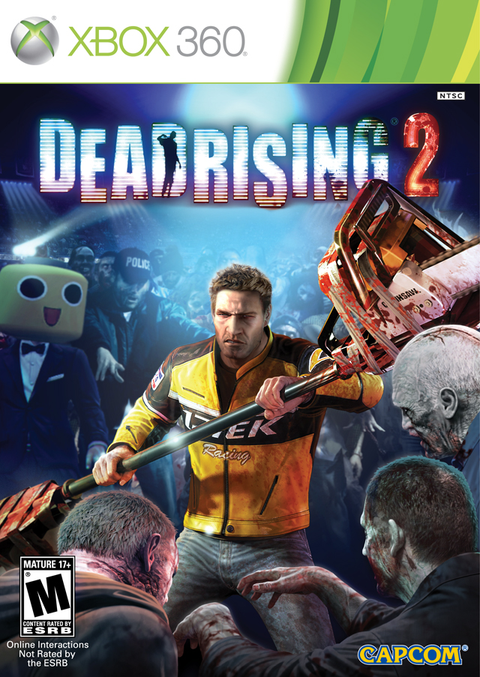
- Dead Rising 2 for Xbox 360: expands the improvised-weapon formula with a new outbreak, protagonist, and setting.
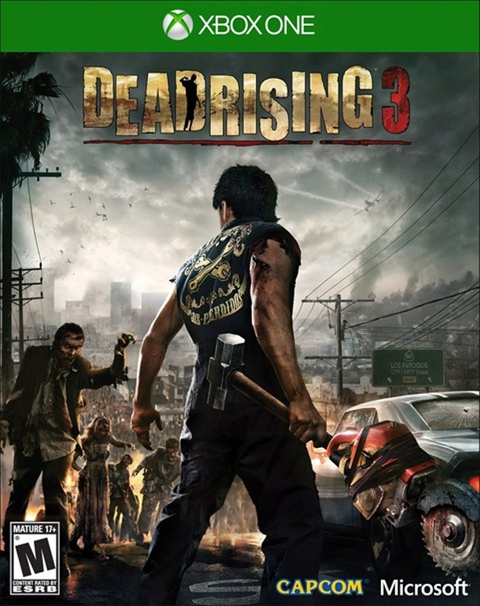
- Dead Rising 3 for Xbox One: moves the series into a larger city while keeping the focus on crowds and improvised survival.
Zypher shop recommendations: More games like this
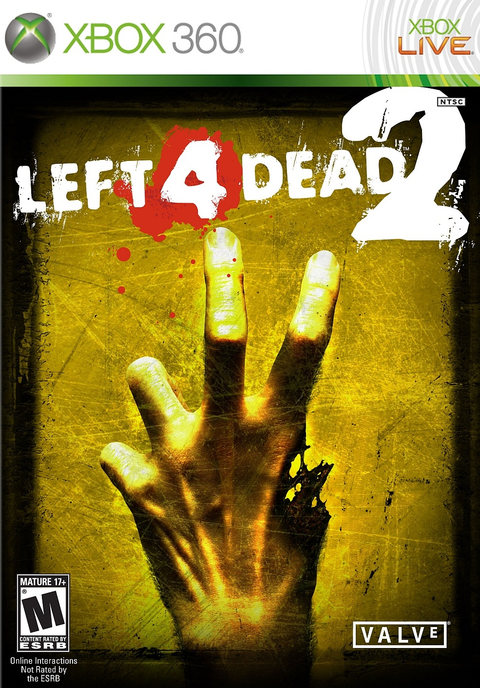
- Left 4 Dead 2 for Xbox 360: a faster, co-op-focused take on surviving relentless infected crowds.
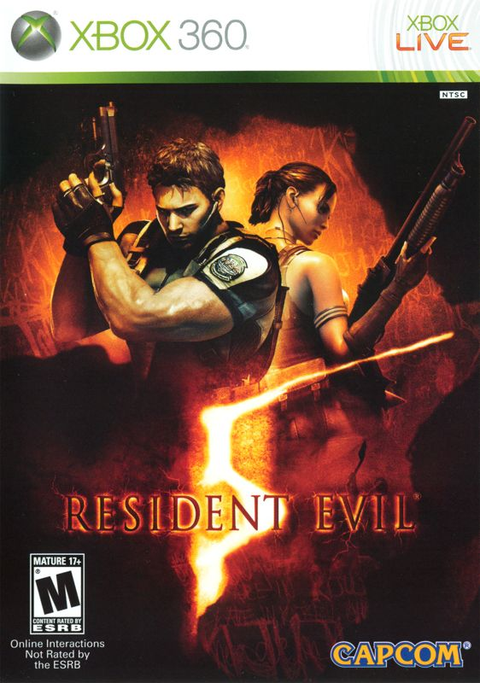
- Resident Evil 5 for Xbox 360: Capcom action horror built around combat pressure and cooperative play.
Keep exploring Zypher XP
- Best Xbox 360 Games: 25 Classics Worth Playing
- Can Xbox One Play Xbox 360 Games?
- What Are Xbox 360 Games Worth?
If your shelf needs room, sell your old games to Zypher. Current eligibility and offers are always shown on the live Buy List.
Sources and image credit
- Capcom corporate history
- Capcom game series data
- Capcom's Dead Rising 10th Anniversary announcement
- Dead Rising Deluxe Remaster official web manual
Featured image: Dead Rising gameplay screenshot from Zypher Trading Video Games product media. Data by MobyGames.com.