



The Lord of the Rings: The Battle for Middle-earth II
About the Game
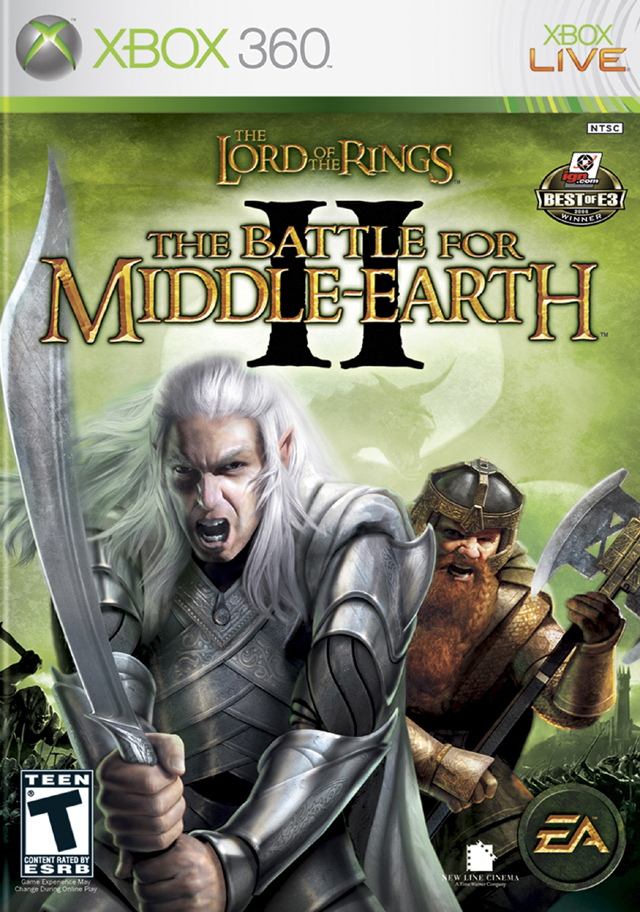
The Lord of the Rings: The Battle for Middle-earth II brings extensive changes compared to the original . The storyline follows the lesser known story of the War of the North, which took place at the same time as the Lord of the Rings trilogy.
Gameplay & Core Systems
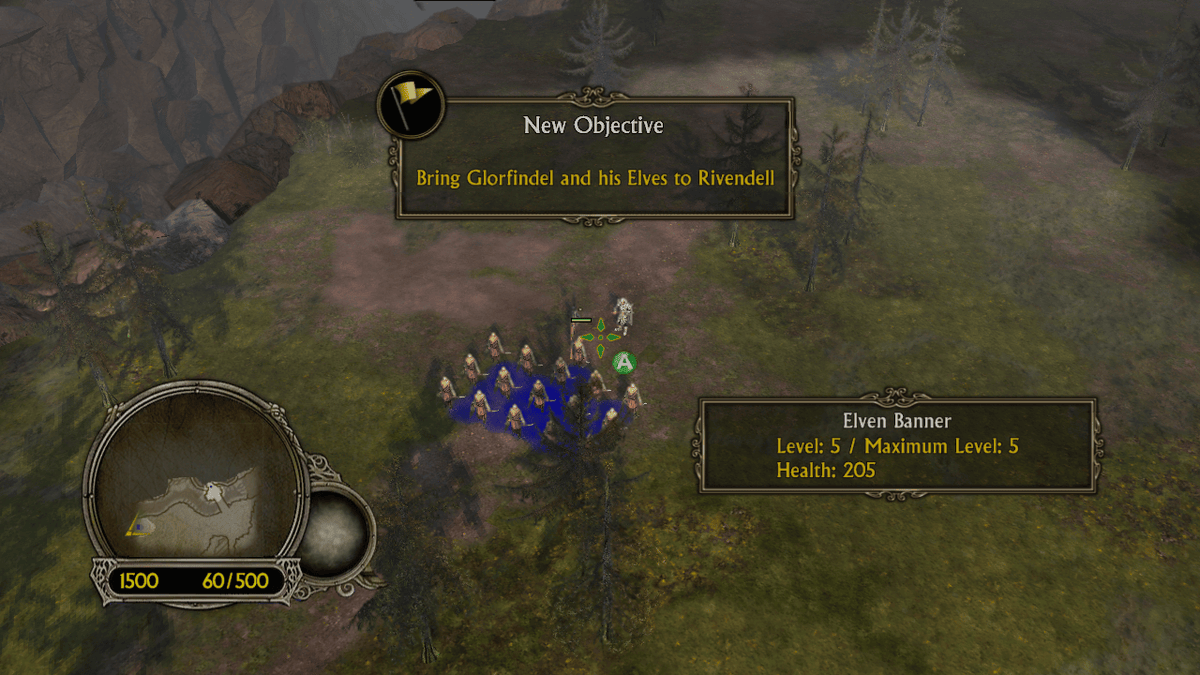
The campaigns are once again split to the Good and Evil, but instead of taking place on a meta-map, they are entirely linear in nature. Some neutral buildings like beacons, taverns and shipyards can be captured by infantrymen, much like tech structures in the later Command & Conquer games. Taking the One Ring (from a killed Gollum unit which can occasionally appear on a map) to a fortress will allow players to train a Ring Hero - Galadriel for the Good factions or Sauron for the Evil factions, both heroes being more powerful than any other unit in the game. A new game mode is introduced - the War of the Ring, which is available in singleplayer and multiplayer. players chooses a meta-map scenario and the armies which will be present on it, after which the game is played in a turn-based fashion over the regions of Middle-earth, where players establish bases and task forces.
Standout Features
- West: A major part of the experience is six playable factions: Men of the West (combination of Gondor and Rohan from the first game), Elves, Dwarves, Goblins, Isengard, and Mordor.
- Resources are still primarily gathered by farm-type structures, but they have to be built far from each other and on suitable terrain for optimal income.
- More units are available per faction, new support powers can be selected in the Palantir, and custom heroes can be designed and trained in skirmish and multiplayer.
- Battles between opposing factions can be resolved automatically or by loading a usual real-time mode map and playing a modified skirmish match with starting units and/or structures which match the state on the turn-based map.
Modes & Ways to Play
Player support includes Free-for-all / One-on-one (VS) and Team.
Presentation & Atmosphere
Display support includes Progressive Scan (480p), HDTV 720p, and HDTV 1080i. Audio support includes Dolby Digital.


