

Kai can be standing right beside you while you do all the worrying. In Avowed, that is a waste of a perfectly useful companion. Your own sword, grimoire or pistol is only part of what the party can bring to a fight.
Obsidian’s action RPG gives companions abilities and conversations that matter beyond filling the silence on a walk. Start treating those tools as part of your build, and a rough encounter becomes a question with more answers than “find a bigger weapon.” Here is a practical way to work them into your next outing through the Living Lands.
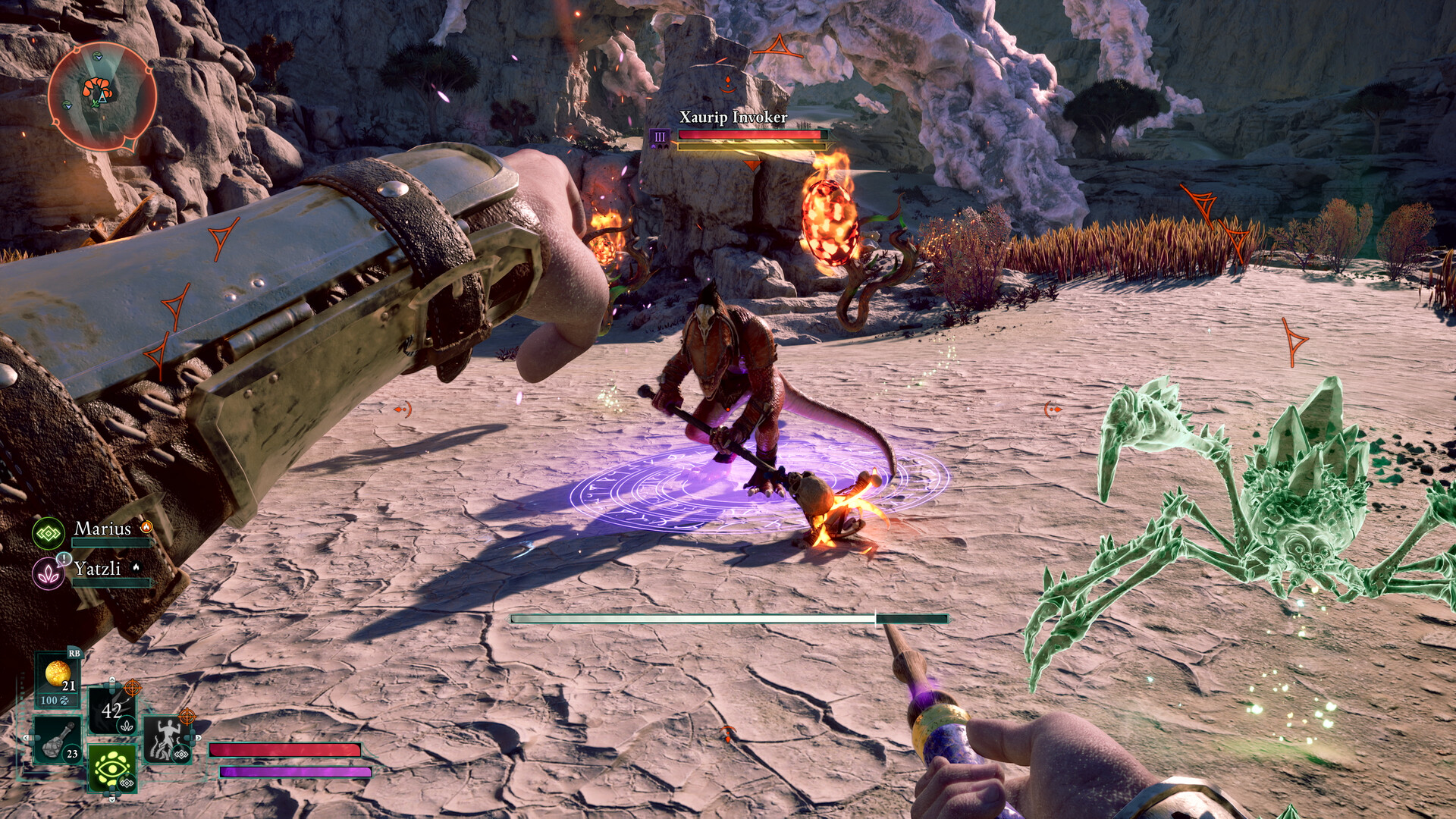
Give a companion ability a moment to matter
The official Xbox starting guide explains that companions gain opportunities to learn or improve abilities as your character levels. Their active abilities are available for the player to use during combat, even though companions can also act on their own.
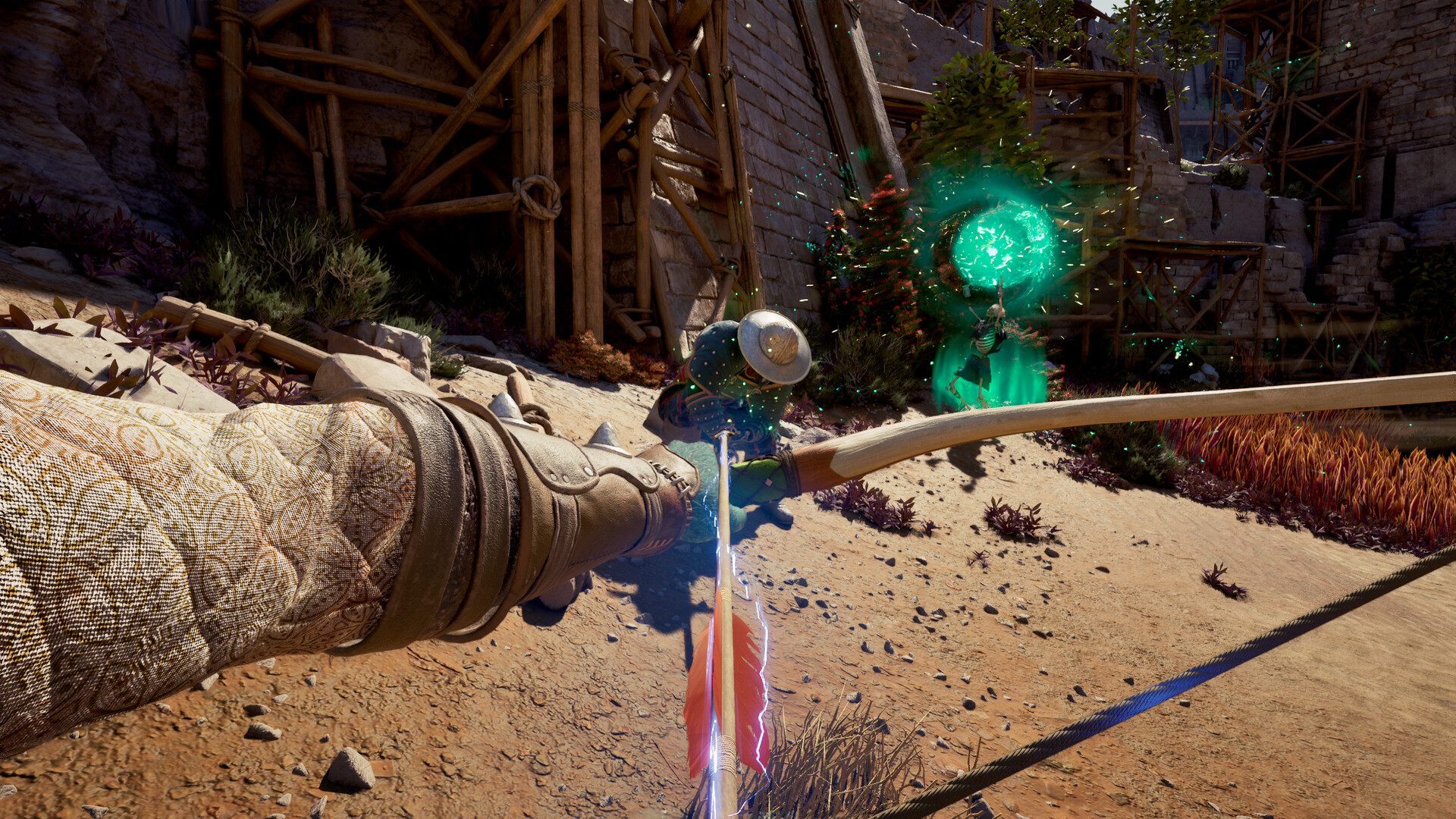
Kai provides the guide’s concrete example: his leap can stun and taunt an enemy. A fragile spellcaster can use that interruption to regain space instead of continuing a bad exchange at close range. Think about the problem you need him to solve, then activate the ability when that problem appears.
Try this on your next difficult encounter: identify the enemy forcing you to move, and decide which companion action could interrupt its pressure. The goal is to recognize an opening while you can still use it. Waiting until the health bar becomes a tiny red accusation makes every decision harder.

Camp is a workshop and a conversation
In the official Avowed developer deep dive, game director Carrie Patel described Party Camp as both a narrative hub and an upgrade hub. It contains the party stash and gear-upgrade facilities, alongside opportunities to get to know companions and hear their exchanges.
That combination gives a return visit two useful jobs. Deal with equipment, then check on the people traveling with you. You do not have to choose between the practical part of an RPG and the character part every time you stop.
Our recommendation is to make those checks a habit after a difficult stretch. A companion who has something to say is a more interesting destination than another minute staring at a wall of loot. The camp can help the next fight while also giving the last quest somewhere to land.
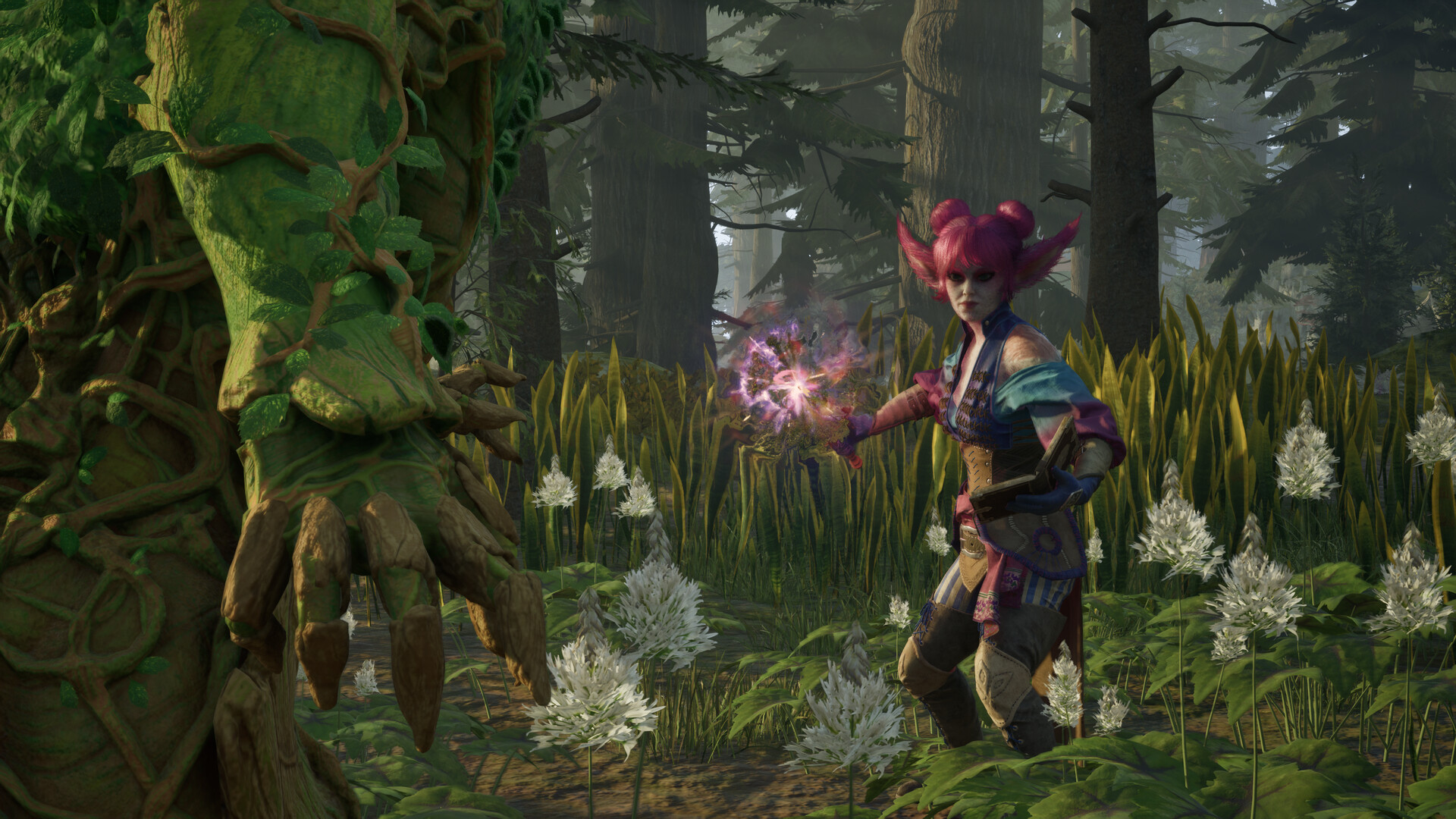
Listen when Kai wants a word
Xbox’s guide specifically calls out the speech-bubble notification for a companion conversation. It also describes an early opportunity for Kai to offer training that provides permanent stat benefits. This is a reason to notice the conversation prompt, rather than automatically filing every camp exchange under optional lore.
That does not mean every conversation is a reward machine. The useful approach is to respond to the character and inspect what the game offers. Turning the dialogue into a checklist can make you miss why a companion is worth bringing in the first place.
Let the benefit support the relationship instead of replacing it. In a game where a party member can both interrupt a threat and comment on what you just did, the same character has a place inside and outside combat.
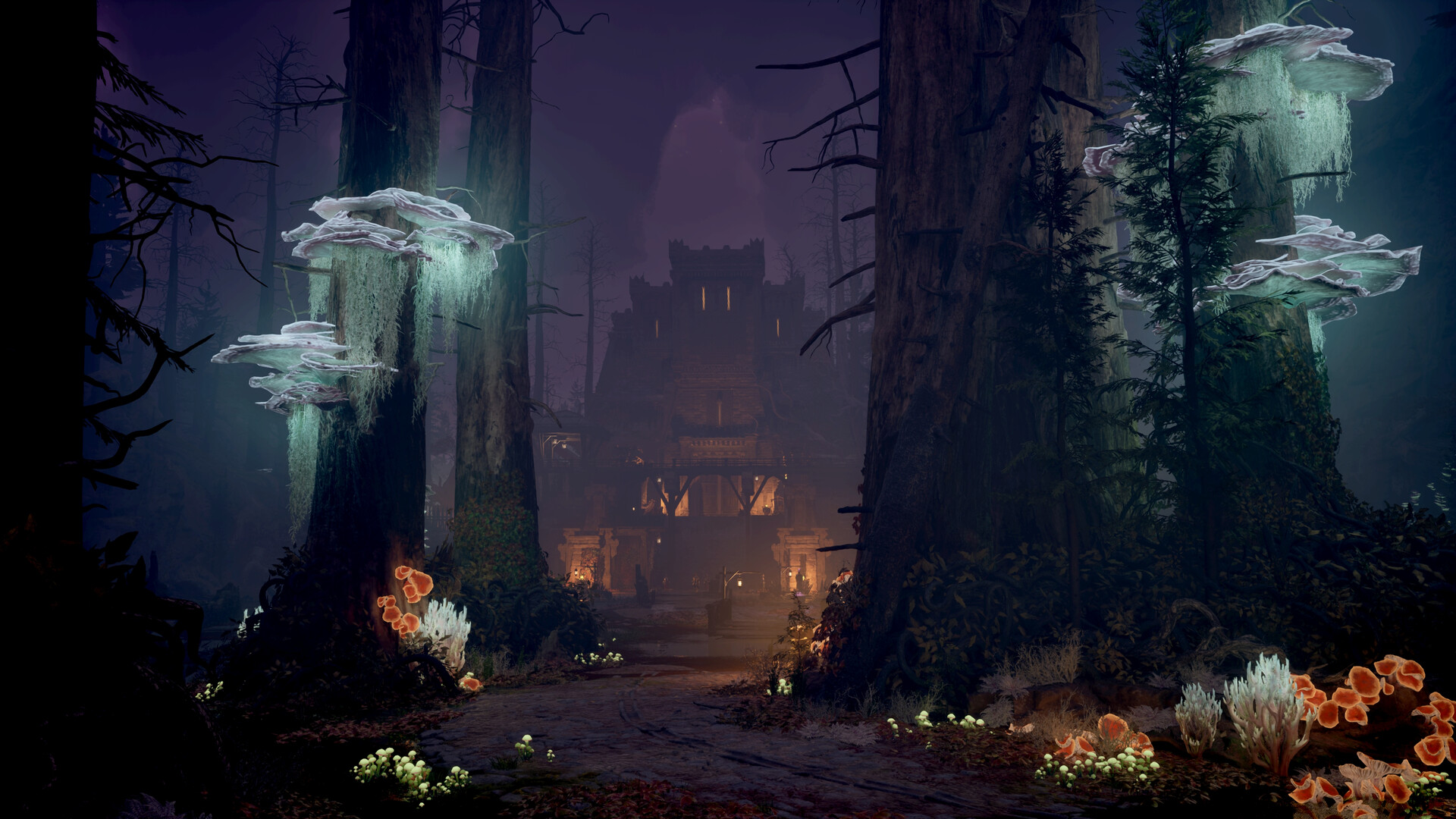
A new level cannot do every equipment upgrade’s job
If the party still struggles, look at gear. The official starting guide emphasizes equipment upgrades and the Journal’s skull ratings for tougher quests. It recommends improving favored weapons and armor instead of assuming the next character level will settle the matter.
This is a useful diagnostic split. Companion abilities can help with pressure and opportunities. Equipment can be the reason your attacks and defenses feel inadequate. Changing a companion tactic while ignoring neglected gear may leave the underlying problem untouched.
Keep the experiment small: improve an item you actually use, bring an ability into a specific opening, then revisit the encounter. If the fight improves, you have learned something about your setup. Replacing every weapon and every party habit at once makes the result much harder to read.
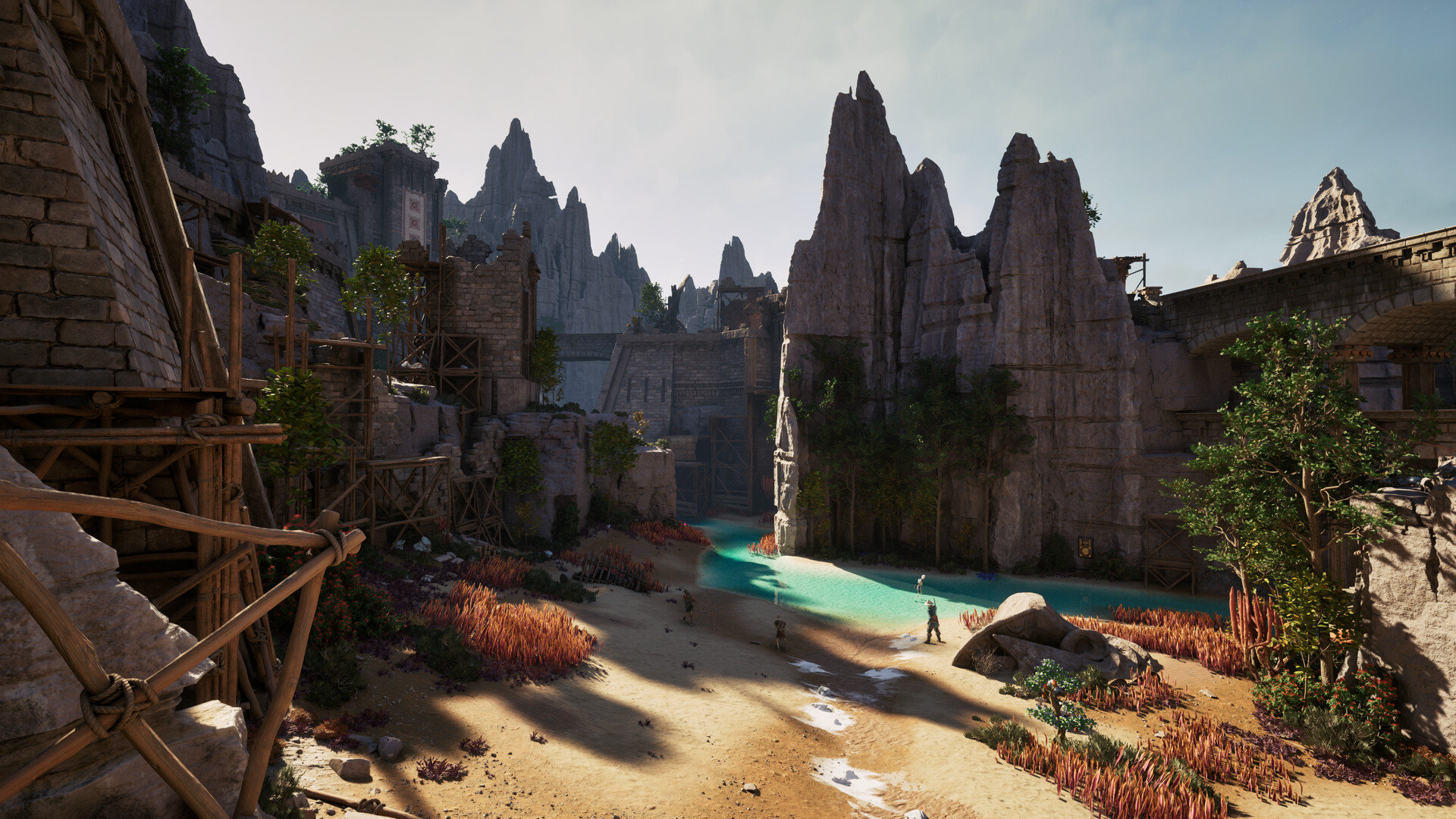
Build a party routine that survives the next region
Avowed allows swords, guns, shields and magic to sit in the same action-RPG vocabulary. Companions add another layer to that flexibility. The practical challenge is remembering the options you already have while the enemies are enthusiastically interrupting your thoughts.
Before leaving camp, check the equipment you intend to carry and the companion abilities you want to call on. During the first fight, deliberately use one of those abilities for a purpose: buy breathing room, interrupt pressure or help an attack connect. Back at camp, follow up on any conversation waiting for you.
That gives each part of the party a job without requiring a rigid build script. Kai is more useful when he gets a chance to change the fight, and more memorable when you also make time to hear what he thinks of the journey.
Find your next game at Zypher
Browse Zypher’s current game selection for your next adventure. If your shelf needs room, check our trading and selling information before sending games in.


