ZYPHER XP | TOP 25
A spare controller should buy somebody a real job in the game. That is the point of this list: 25 Xbox 360 games where people on one console can work toward the same goal. Sometimes that means building shelter. Sometimes it means being the person who notices a teammate has been pinned before continuing the victory lap.
How we ranked the couch
These are 25 distinct retail Xbox 360 games with simultaneous local cooperative play. We weigh how much the partnership matters, how comfortably people can join a session, and whether the game gives the group a useful reason to return. The order is Zypher editorial judgment, not a poll, a playtest claim or an average of review scores. Sequels qualify as separate games; another edition of the same game does not get a second place.
The counts below apply to the named cooperative mode on one original Xbox 360. Competitive split-screen and the number of people supported online do not determine eligibility. This is also a selection of recommendations, not an exhaustive catalog of every qualifying game.
Featured packaging: Halo: Reach for Xbox 360, complete back cover. Historical network labels are not current service guarantees. Used with permission from Microsoft. Zypher selects and ranks these games independently.
25. Gears of War
Two local players, campaign. Marcus and Dom make a straightforward starting assignment: take the same fight from two positions. The original's cover controls encourage a pair to think about where each person can shoot safely. It finishes our list because its appeal is focused. A duo wanting more flexible difficulty settings should look higher at Gears of War 2. Reference.
24. Halo 4
Two local players, campaign. Chief and Cortana's return gives two players a continuing story to follow. Outcyders' original review documents a useful cooperative rule: a fallen player can return beside a surviving partner who reaches safety. That makes staying alive helpful beyond your own screen. We prefer the clearer session goal of ODST and Reach Firefight for a quick evening; Halo 4 is for a pair following the campaign. Reference.
23. Army of Two: The 40th Day
Two local players, split-screen co-op. The Aggro system gives the partnership a concrete job. Drawing enemy attention lets your partner move to a flank, so being the loud one can actually be useful. Rios and Salem's Shanghai outing suits a duo happy to coordinate gunfire and movement. Its military-action focus makes it a narrower recommendation than our more flexible top picks. Reference.
22. Resident Evil 6
Two local players, campaign split-screen. Passing herbs and ammunition puts supply decisions between the two people on the couch. That gives the action a useful cooperative layer: notice what your partner needs before spending everything yourself. We place it below Resident Evil 5 because this list favors a tightly focused partnership over a broader selection of campaign stories. That preference is ours, not a review-score calculation. Reference.
21. Borderlands
Two local players, split-screen. Soldier, Hunter, Siren and Berserker give the original Vault hunt different starting identities. A pair can build around complementary preferences rather than agreeing to use the same tools. The attraction is a continuing character project; the cost is that comparing loot and planning a build can consume time a more impatient partner wanted to spend fighting. Reference.
20. Sacred 2: Fallen Angel
Two local players, shared screen. Ancaria offers an action-RPG alternative for two people who want to stay in the same world together. The manual lets a second player join with another controller and an account's character. Both characters occupy one view, so exploration becomes a shared decision. It ranks here for that wandering partnership, with the camera a real limit on independent detours. Reference.
19. Dungeon Siege III
Two local players, offline multiplayer. The second player presses Start and selects an unused hero. That restriction is useful to know before both people become attached to the same character. Stances, abilities and talents give the pair room to discuss how their heroes fit together. It is a good structured RPG evening, though choosing from the available heroes leaves less freedom than designing two unrestricted characters. Reference.
18. Halo 3: ODST
Two local players, Firefight. Firefight's rounds, sets and escalating skull effects give the team a clear survival problem that keeps changing. We like it when a pair wants to concentrate on the next wave rather than pick up a campaign plot. The accumulating modifiers are also the tradeoff: a relaxed opening does not promise a relaxed finish. Reference.
17. Gears of War 2
Two local players, campaign split-screen. Each campaign partner can select a different difficulty. That is a valuable accommodation when one person knows the controls and the other is still learning how cover works. Drop-in and drop-out support helps the session fit real interruptions, provided the host remains. This ranks above the original for a practical reason: the pair has more control over how demanding its evening becomes. Reference.
16. Rayman Origins
Up to four local players. Rayman, Globox and the Teensies make a lively platforming group, with players able to enter and leave without stopping the adventure. That flexibility matters when the room has more than one level of enthusiasm. Collecting Lums gives the group a common pursuit across the levels. It sits below Legends because both fill a similar couch role, and Legends' bubble-and-exit option makes interruptions especially easy to manage. Reference.
15. LEGO The Lord of the Rings
Two local players, drop-in co-op. Different character abilities make the journey a reason to trade tasks. GameSpot's original review also documents the dynamic split that lets partners move apart, then reunite for cooperative puzzles. That is helpful breathing room in a shared adventure. Its place below our other LEGO picks reflects taste: Middle-earth is a stronger invitation when both people already want that particular journey. Reference.
14. LEGO Batman 2: DC Super Heroes
Two local players. Batman, Robin and other DC heroes give this partnership an immediately recognizable cast. The Gotham setting makes it an easy pitch to somebody who would rather explore a superhero adventure than manage a shooter loadout. Exploring Gotham together earns it this place, but superhero preference matters: somebody unmoved by the DC cast may find the same shared adventure more inviting in Star Wars. Reference.
13. Fable II
Two local players, Hero and Henchman. The guest uses a pregenerated Henchman, cannot shop or buy property, and stays within the shared camera's reach. That is a substantial qualification, not fine print. We still like the option for helping a friend through Albion. Associate the Henchman with a saved Hero to retain earned progress; an unassociated guest loses it. This is company on the host's adventure, not two equally independent lives. Reference.
12. LEGO Star Wars: The Complete Saga
Two local players, drop-in co-op. Episodes I through VI give a duo a clear shared project, while Free Play rewards returning with different character abilities. The second controller can join and leave without arranging a separate campaign. Remember that both players' collected studs and items contribute to the active save profile. It is a strong casual pairing, provided neither person expects a separate personal save to grow beside the host's. Reference.
11. Tom Clancy's Splinter Cell: Conviction
Two local players, separate co-op story. Archer and Kestrel's mission gives the pair its own story instead of making Sam Fisher share his campaign. Cooperative Mark & Execute lets partners act on marked targets together, making preparation part of the payoff. It ranks highly for deliberate teamwork. Both local players need profiles, and the appeal is strongest when each person is willing to wait for the other to get into position. Reference.
10. Resident Evil 5
Two local players, campaign split-screen. The second controller can join during play, but the game returns through Item Management and resumes from the previous checkpoint. Knowing that saves an awkward mid-fight surprise. We favor this partnership for players who enjoy discussing supplies as well as targets. It asks for more coordination than simply adding another gun, and a guest's arrival can mean repeating ground already covered. Reference.
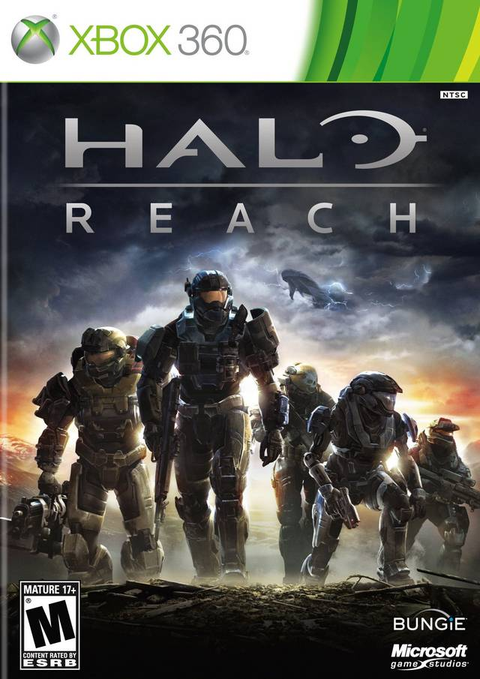
9. Halo: Reach
Two local players, Firefight. A shared supply of lives makes staying alive a team resource. Loadouts and armor abilities give the pair choices about how to meet each wave, while the survival format supplies an immediate common objective. Reach takes this spot for a duo that wants repeatable combat sessions. The same shared lives can make a large experience gap feel expensive, so agree on a sensible challenge first. Reference.

8. Halo 3
Two local players, campaign split-screen. Coordinating attacks and operating vehicles together gives the campaign more to discuss than which enemy to shoot next. We rank it above Reach here for a pair seeking a directed journey rather than a survival session. Its original Xbox 360 campaign allows two people on one screen; the four-player cooperative figure requires a network arrangement. Two controllers do not turn the couch into four seats. Reference.
7. Borderlands 2
Two local players, split-screen. Trading equipment and using class mods that benefit the team gives character planning a cooperative purpose. This is our higher Borderlands pick for a duo keen to keep developing builds between sessions. The original Xbox 360 edition supports two locally, with horizontal or vertical split options. Four-player local claims from later editions do not belong here, and the second player needs a signed-in gamer profile. Reference.
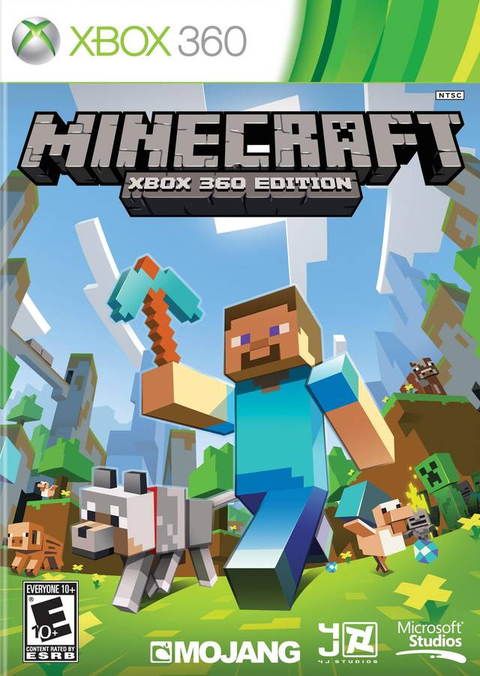
6. Minecraft: Xbox 360 Edition
Up to four local players; HDTV required. Building a shelter gives the group a practical way to divide work without requiring everybody to enjoy the same task. A shared construction project can accommodate the planner and the person who mostly wants to gather materials. It ranks this highly for that flexibility. Bring the right display, and remember that this is the named Xbox 360 edition, not a promise of current Bedrock features or cross-play. Reference.

5. Diablo III
Up to four local players, offline co-op. The original 2013 console game puts Barbarian, Witch Doctor, Wizard, Monk and Demon Hunter in the same loot-hunting conversation. Four people can commit to a shared action-RPG evening without arranging an online group. We rank it for that unusually useful couch setup. This entry covers the original Diablo III, so do not buy it expecting Reaper of Souls additions simply because newer edition descriptions include them. Reference.
4. Rayman Legends
Up to four local players. Players can join or leave without interrupting the game, and an additional player can become a bubble before dropping out. Those small accommodations make Legends our platforming recommendation for a room whose attendance keeps changing. Its strength is immediate shared activity. A group that wants persistent individual character builds will get more from Diablo or Borderlands than from another platforming run. Reference.
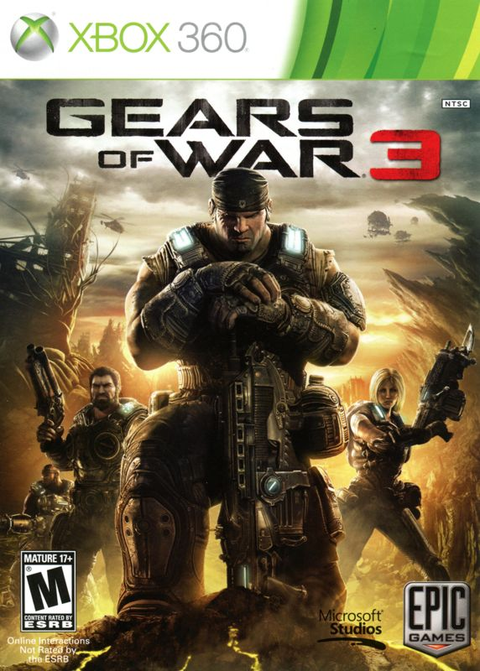
3. Gears of War 3
Two local players, campaign split-screen. The original package explicitly separates two-player split-screen campaign play from four-player network cooperation. For a couch pair, the attraction is working through the campaign's cover-based fights together, with each person responsible for a useful position. Third place reflects our preference for a substantial shared action campaign. It is still a two-person local recommendation, even when the larger number on the box catches your eye. Reference.

2. Left 4 Dead
Two local players, split-screen campaign. A Hunter can pin a Survivor until a teammate intervenes. That single rule makes looking after somebody else central to the action, which is why the original Left 4 Dead comes so close to our top spot. Two humans play alongside computer-controlled teammates. The pressure is the attraction and the caveat: a player who wants to explore alone is working against the team's survival problem. Reference.
1. Portal 2
Two local players, split-screen co-op campaign. Partner View, a ping tool and a countdown give two people practical ways to coordinate a solution. We give Portal 2 first place because cooperation reaches beyond simultaneous movement: the pair must organize what happens next. It rewards a quieter, more deliberate evening than our action picks. Its limitation follows from that strength. Someone who dislikes pausing to examine a puzzle will want a different number one. Reference.
Before everybody sits down
Match the local mode to the group size, set up the required profiles and check the game's save rules. Minecraft: Xbox 360 Edition needs an HDTV for split-screen. Fable II's guest arrangement and LEGO Star Wars' shared-save behavior deserve particular attention when keeping separate progress matters.
For Halo, the official game-by-game service notice distinguishes surviving local features from online services reduced or disabled on January 13, 2022. We are recommending local modes here. Neither an old box badge nor this ranking certifies current matchmaking, a working download code or every mode on a newer console.
Build your next co-op night with Zypher
Shop the linked Xbox 360 editions at Zypher, then read the selected condition and included-item details. Start with Portal 2 for two puzzle fans, Diablo III for a local loot party, or Rayman Legends when players will be coming and going. Packaging pictures identify releases; they do not establish the condition, inserts, codes or extras included with a particular listing.
Want to compare the rest of the shelf? Browse Zypher's games. Clearing space for the next group favorite? Sell your old games to Zypher and check the current Buy List.
Sources, platform checks and image credits
Checked November 12, 2026. Entry references lead to original publisher manuals, official game information or original reporting. Public manual archives preserve primary documents; their surrounding generated summaries are not treated as game instructions.
Additional local-count evidence: Shacknews' original report quoting Bungie on Halo 3's two-player screen limit; GameSpot's original Reach Firefight hands-on; Joystiq's original ODST review; and the original Gears of War 3 and LEGO Batman 2 Xbox 360 back-cover mode labels. Minecraft's original-edition product description supplies the HDTV requirement. Launch-era online offers in these sources are not current purchasing advice.
The featured Halo: Reach back cover and inline Halo: Reach, Gears of War 3 and Minecraft: Xbox 360 Edition front covers are complete Microsoft product box shots from Zypher's catalog. They remain uncropped and proportionally displayed under Microsoft's box-shot permission. Used with permission from Microsoft. No Microsoft endorsement is implied.