

Another Ranger with a gun can make Wasteland 3’s squad look stronger without making it much more capable. If the newcomer duplicates every useful skill you already have, the next locked opportunity can still leave the whole group staring at it.
The interesting character-building question is what the party can do together. inXile’s official description allows a squad of up to six Rangers and makes conversations, choices and tactical combat part of the same adventure. Your next recruit can expand that range, rather than simply becoming another version of the first.
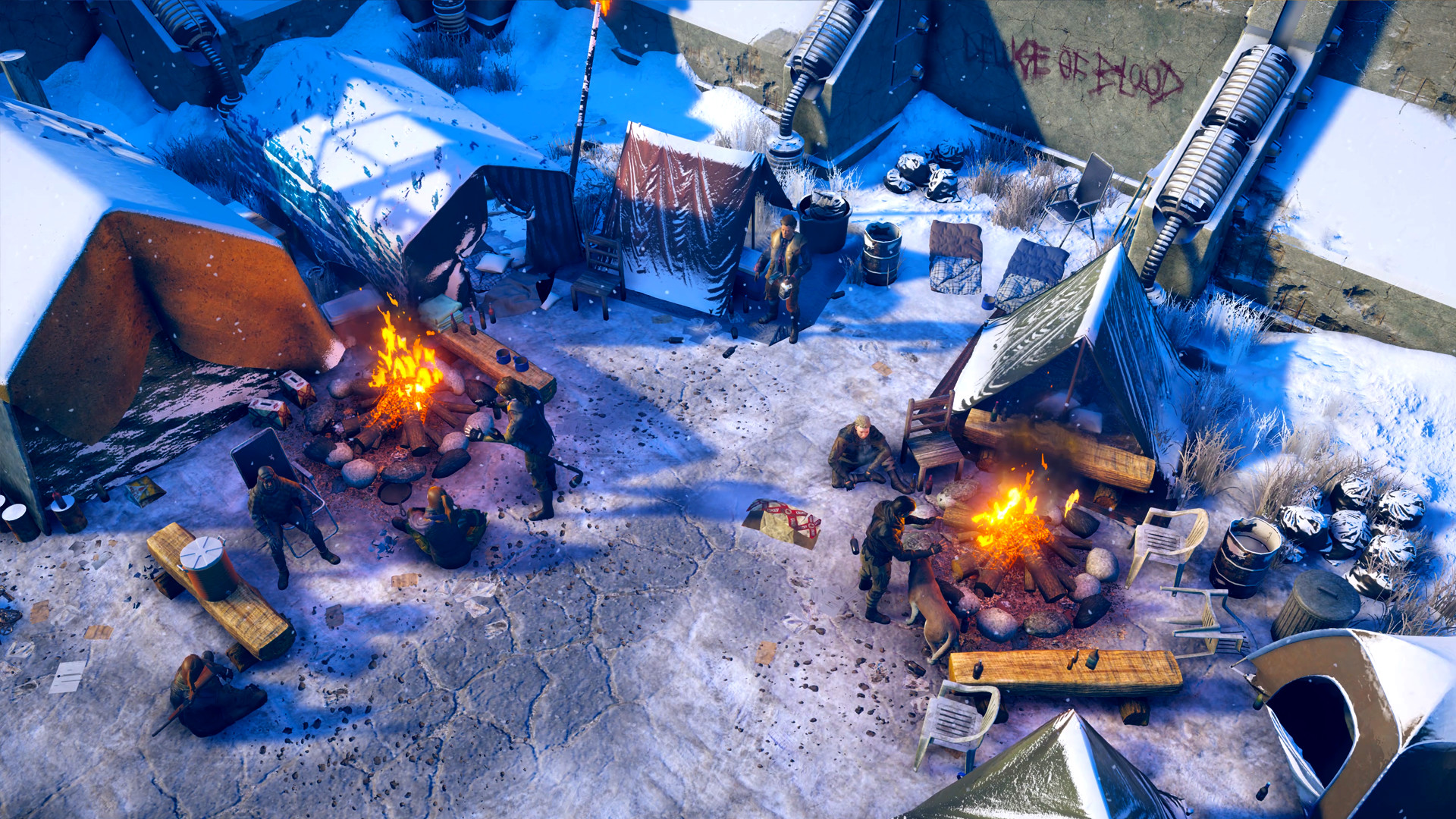
Start with the gap in the group
Before assigning a fresh set of points, look across the party you already use. Identify a task you want to handle better: a kind of fight, a technical obstacle or a conversation where your preferred approach was unavailable.
That gives specialization a purpose. A character can be interesting because they let you attempt something new, not just because their individual sheet contains an attractive number. It also makes it easier to judge a recruit without treating every possible build as a personal failure to optimize.
Xbox’s character-creation guide specifically recommends complementary characters and highlights technical and social skills alongside weapons. Use that principle to answer a question about your own party, rather than copying somebody else’s complete roster without knowing what it was meant to accomplish.
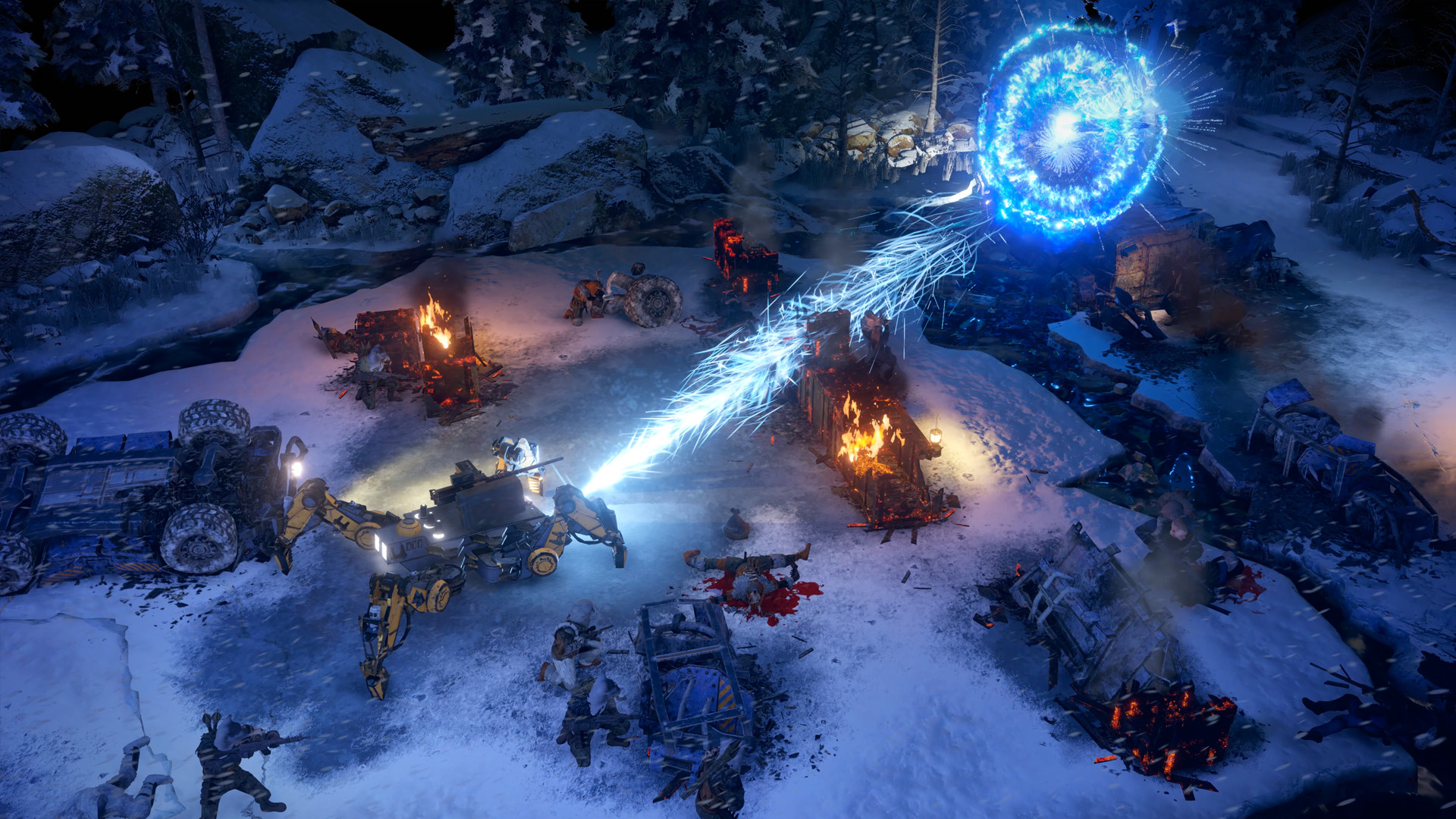
Leave some room for a conversation specialist
The developer-published material identifies skills such as Mechanics, Leadership and intimidation as ways to broaden how conflicts can be resolved. Wasteland 3 is designed around a reactive story, so the conversation screen deserves attention alongside the battlefield.
Give a particular kind of interaction to a Ranger you can identify when the party needs it. Read the associated skill descriptions and consider that job when spending later points. Splitting a little progress into every social possibility can make the plan harder to follow.
Our preference is a party whose strengths are easy to remember. When a conversation offers a useful route, you want to understand why the squad can take it. That connection between character decisions and story options is more satisfying than discovering a bonus by accident and never knowing where it came from.

A weapon choice also changes the turn you are planning
Weapons use different amounts of Action Points. The official starting guide contrasts the limited early mobility of a sniper’s turn with the flexibility of a Small Arms specialist. The relevant lesson is to consider the action pattern, rather than assuming two guns differ only in damage.
A Ranger who wants a clear long-range shot needs a different supporting plan from one intended to move and act at closer distances. When the party has both, the decision is how their jobs fit the same encounter.
We would start by asking what you expect each character to contribute on an ordinary turn. If you cannot explain that without listing every skill they possess, simplify the idea. A focused role is easier to learn, and the next few encounters can tell you whether it needs another tool.
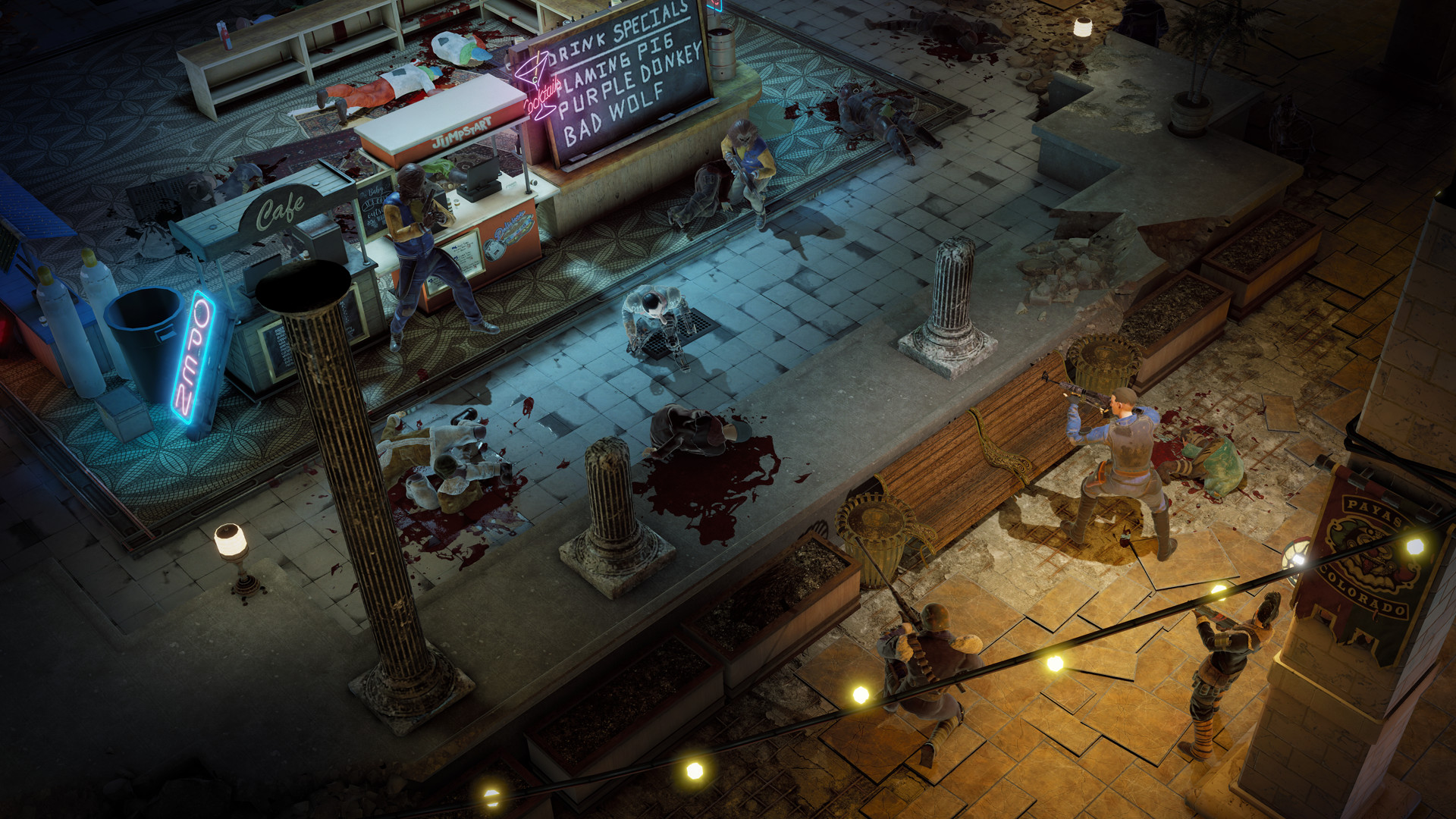
Quirks deserve a slower click
The character creator’s optional Quirks are presented as tradeoffs. The official guide’s Sadomasochist example increases melee and ranged damage by 33%, while also increasing incoming damage by 33%. A bigger attack number comes with a very direct cost when the enemy gets a turn.
Read both halves before choosing. A benefit that suits an imagined perfect fight can be less appealing when its cost affects the kind of encounters you keep having. You are choosing a Ranger to spend time with, not submitting an application for the most dramatic character sheet.
For a first run, it is reasonable to prefer an easy-to-understand tradeoff or to leave the optional choice alone. Learn the rest of the character first if that makes the campaign more enjoyable. A complicated restriction is only useful if you actually want to build around it.
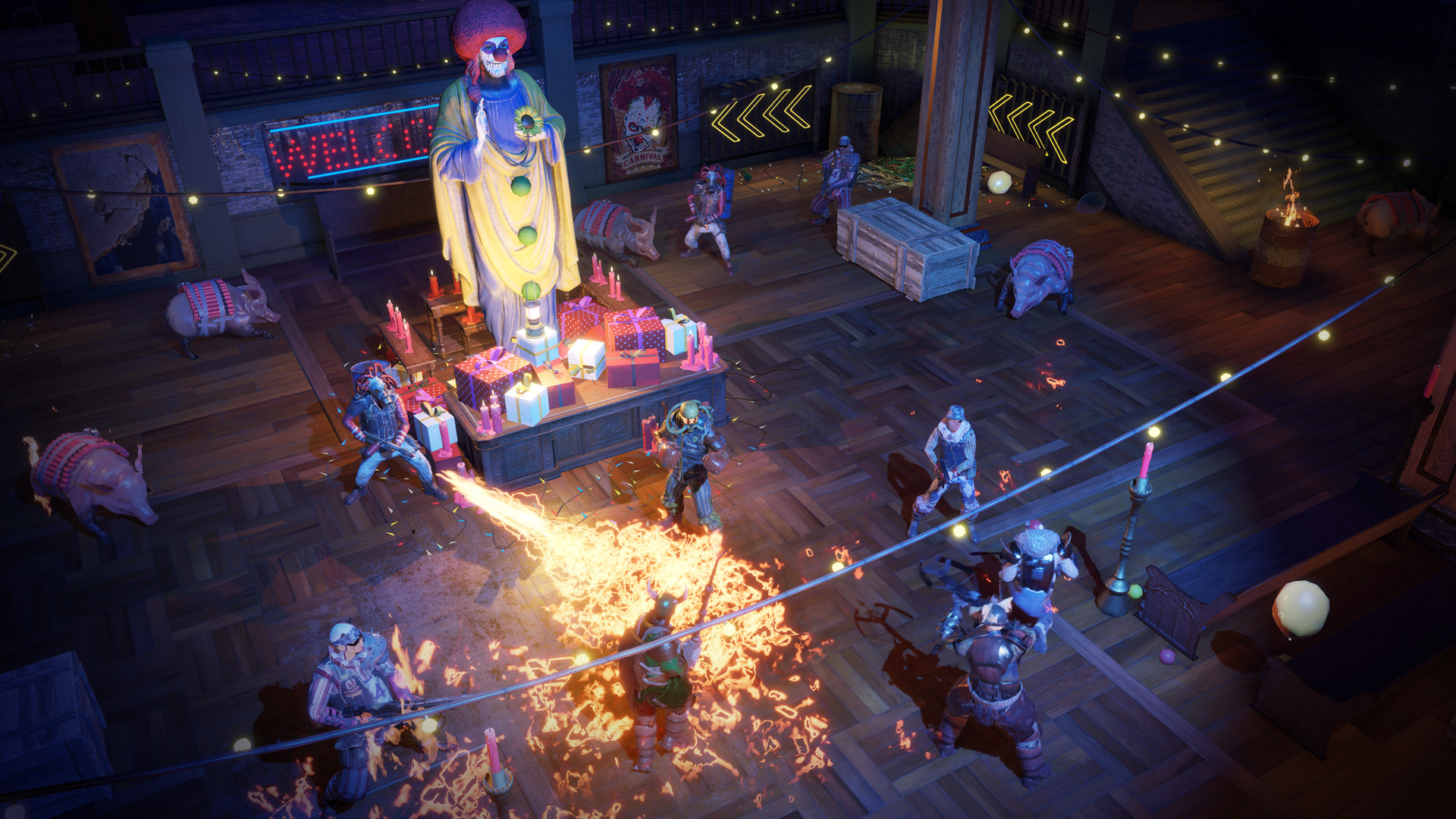
Let Colorado give the squad some character
The official premise sends the Desert Rangers from Arizona into frozen Colorado, where the Patriarch offers help in exchange for dealing with his children. It sets up political choices and conflicting interests around the combat.
A purely numerical party can miss that invitation. Choose companions and skills that make the next conversation interesting to you. If you want a squad that negotiates, follow through on the relevant choices. If you prefer another approach, understand the opportunities you are passing up.
Connect the characters you build with the kind of story you want to explore. A choice feels more deliberate when it follows the party’s identity instead of whichever button happened to look brightest.
Review the whole squad before the next departure
A useful quick check is to name each active Ranger’s main contribution, then identify one thing the group still struggles with. That gives the next level or recruitment decision a concrete purpose.
Keep the question narrow enough to answer. “Make everybody better” gives you very little direction. “Give this party another way through a technical problem” or “add a different combat range” gives the next character a job you can recognize.
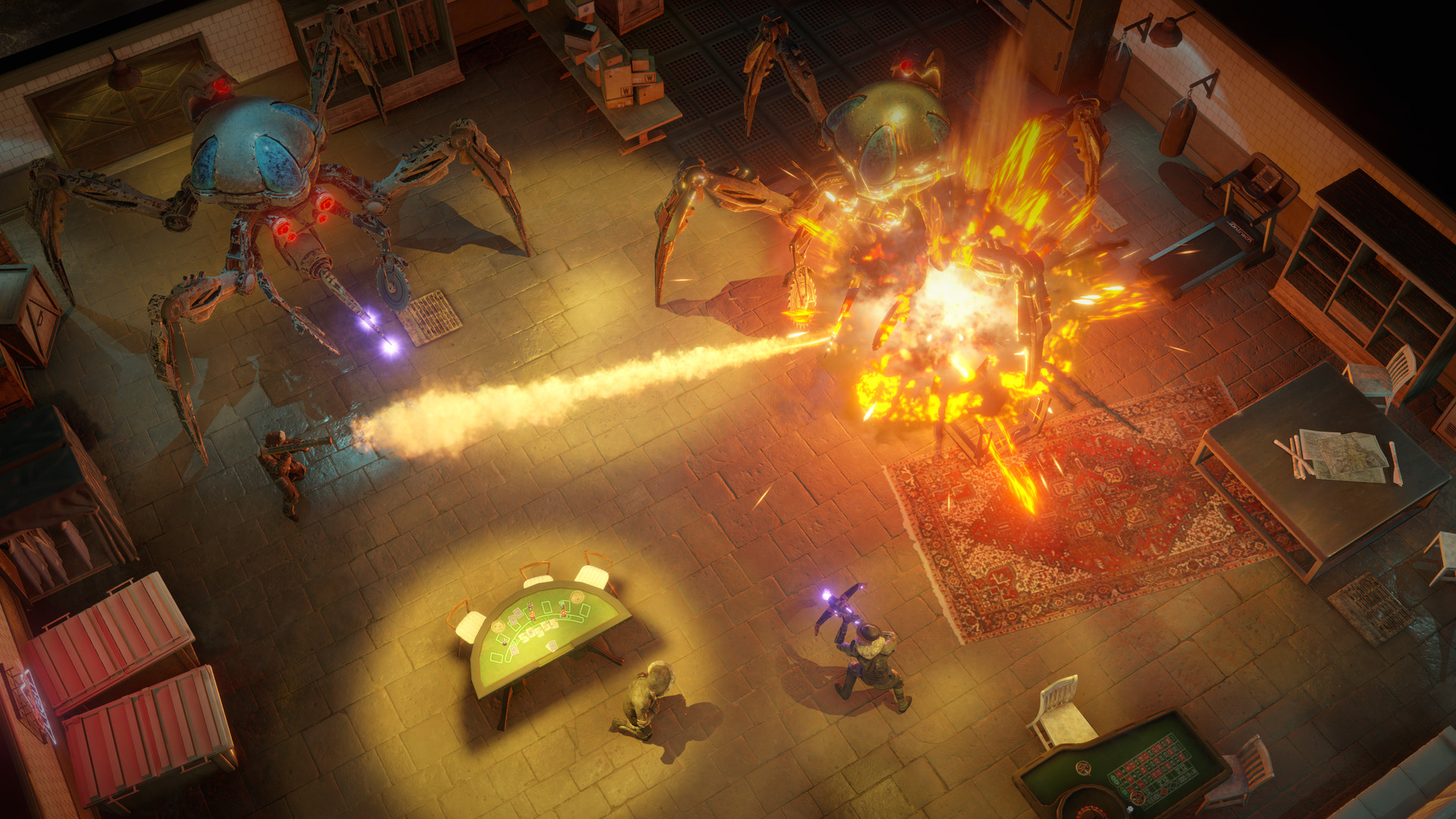
Wasteland 3’s customization is most useful when the party grows into more than a stack of independent builds. Let one Ranger create an opportunity that another can use, and let the world give you a reason to care about the distinction. These official images show the PC game, including combat and story scenes.
Find your next game at Zypher
Browse Zypher’s game selection and check the platform, edition and listed contents before choosing a copy. Making room on your shelf? Visit our trading and selling page to see how selling to Zypher works.


