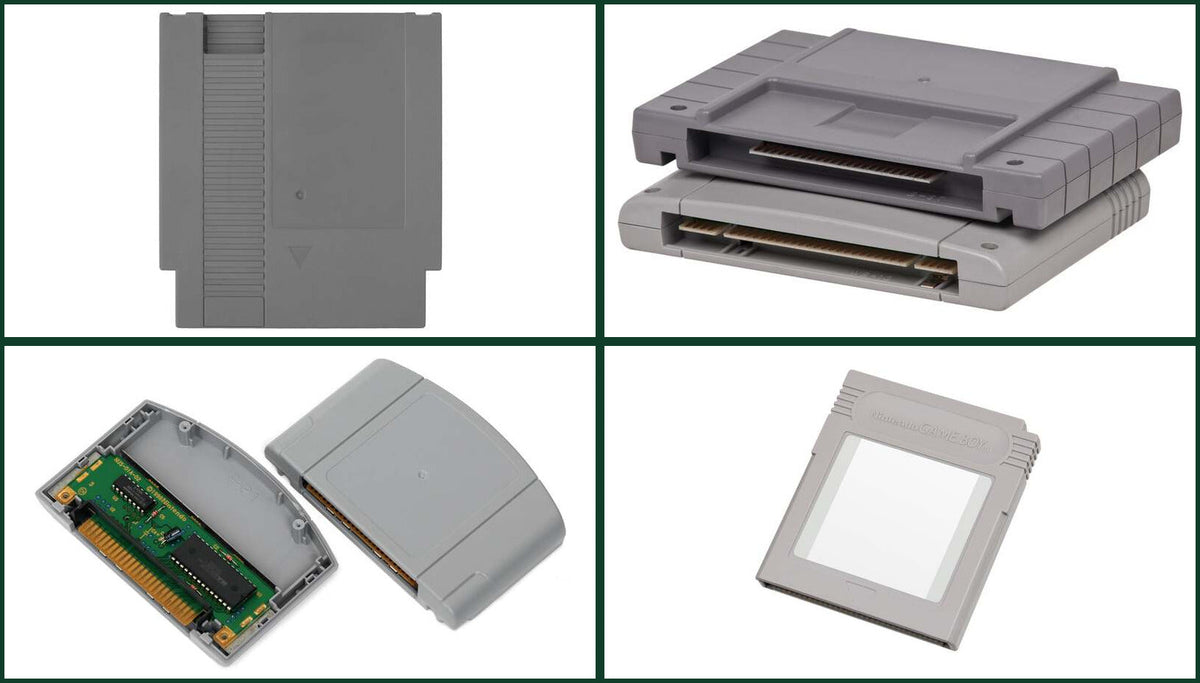
Retro cartridges are not one universal format. An NES Game Pak, a Super NES cartridge, a Game Boy cart and an N64 cart may all store games on a board inside a plastic shell, but each belongs to a specific hardware family. For collectors, those physical differences shape how a game is identified, displayed, tested and protected.
This is a research-based collector field guide, not a teardown tutorial or a one-photo authentication test. Shell color, label layout and screw type can provide clues, but a careful evaluation should consider the whole item and the console it was designed to use.
The shell is part of the platform
Nintendo's own U.S. history places the NES launch in 1985, Game Boy in 1989, Super NES in 1991 and Nintendo 64 in 1996. Seeing those generations together makes one thing obvious: Nintendo never treated the cartridge as a fixed object. Home-console carts became more sculpted, while handheld carts stayed compact enough to travel with the system.

The Super NES and Super Famicom photo above is a useful reminder that a familiar game name does not automatically mean a cartridge is the right physical match for a North American console. Region, shell shape and hardware revision all matter. Import collecting is rewarding, but it starts with checking the exact format before buying.
Four formats, four collector habits
NES: a large shell with room to inspect
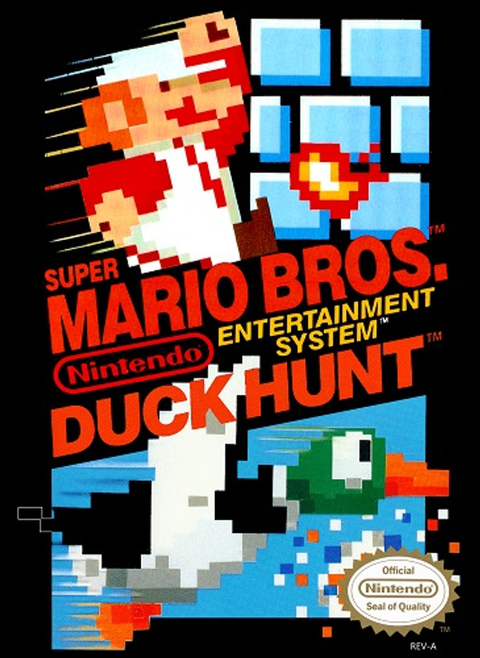
The North American NES cartridge is tall and easy to scan on a shelf. A copy of Super Mario Bros. / Duck Hunt for NES shows why loose NES collecting can be approachable: the platform name, title label and broad shell are all visible before the cartridge reaches the console.
That size also makes condition differences obvious. Look for label lifting, deep shell damage, writing and heavy discoloration. None of those details alone proves that a game will or will not work, but they should match the condition description and photos in a listing.
Super NES: shape and region deserve equal attention
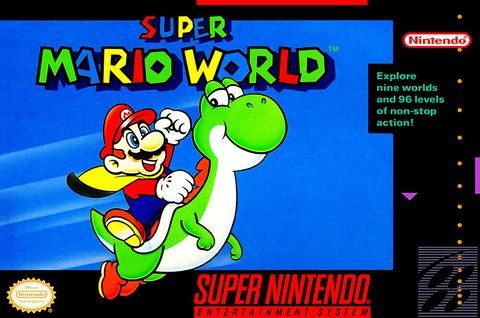
A Super Mario World cartridge for Super NES belongs to the North American SNES family, while Super Famicom cartridges use a different exterior design. For shelf organization, separate them by platform or region instead of treating every 16-bit Nintendo cart as interchangeable.
Game Boy: small format, high label importance

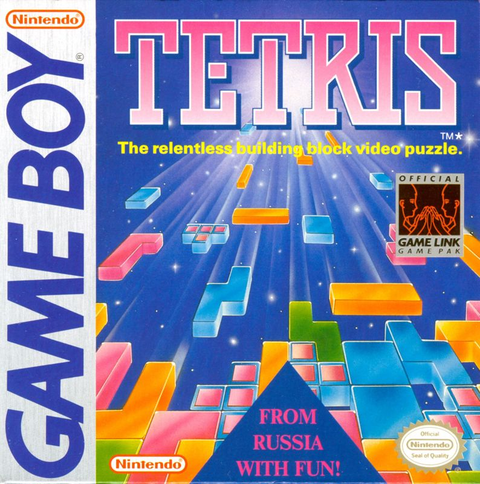
Game Boy carts compress the same basic idea into a pocket-sized shell. That makes a clean, readable title label especially valuable when browsing a case or drawer. Tetris for Nintendo Game Boy is a clear example of a game whose identity is carried by a very small front label.
Compact carts are also easy to store badly. Individual sleeves or divided cases reduce rubbing between labels, while a simple inventory list can prevent duplicate purchases when a collection grows beyond what is visible at a glance.
Nintendo 64: a rounded shell with the board close behind it

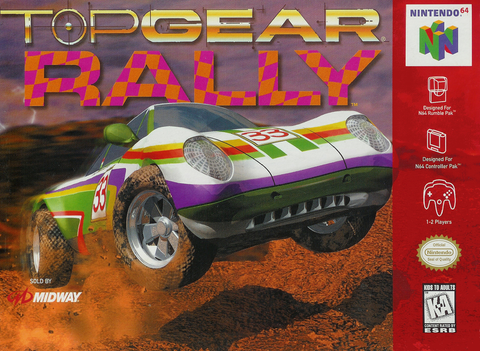
N64 carts are shorter than NES carts and have a rounded upper edge. The shape is easy to recognize, but the title is not always easy to read when cartridges are stored upright. Spine-style protective cases or clearly labeled dividers can make an N64 shelf much easier to browse. A cartridge-only copy of Top Gear Rally for N64 is the kind of game that benefits from that organization.
| Format | North American debut | Useful first check |
|---|---|---|
| NES | 1985 | Front label, shell damage and edge cleanliness |
| Game Boy | 1989 | Small label condition and protected storage |
| Super NES | 1991 | Region and exact shell format |
| Nintendo 64 | 1996 | Label readability and shelf organization |
The board can matter as much as the shell

Cartridges for the same console can contain different board layouts, chips or save batteries. That is one reason authenticity and repair questions deserve more than a glance at the outside. It is also why opening a cartridge should be reserved for a real inspection or repair need, with the correct tool and a careful plan.
Nintendo's cartridge precautions describe Game Paks as high-precision electronics and advise against touching connectors, exposing carts to extreme temperatures or using solvents. For routine upkeep, use our cartridge-cleaning guide instead of improvising with aggressive chemicals.
How to evaluate a cartridge listing
- Match the exact platform. Similar names across systems do not make the physical media interchangeable.
- Read the condition label. Cartridge only, game and case, and complete in box describe different packages. Our used-game condition guide explains the terminology.
- Inspect every visible side. Front label, back label, shell seams and connector photos each answer different questions.
- Separate cosmetic wear from functional proof. A clean shell is encouraging, but testing information matters more than shine.
- Protect what you buy. Dry storage, moderate temperatures and individual protection help preserve labels and contacts.
Physical media offers control that a download cannot, but it also asks the owner to care for a real object. For the broader ownership tradeoff, see our physical versus digital games guide.
Zypher shop recommendations: build a cartridge timeline
- Super Mario Bros. / Duck Hunt for NES: a foundational North American NES cartridge pairing.
- Super Mario World for Super NES: a direct next-generation step in Nintendo cartridge design.
- Tetris for Game Boy: a compact handheld counterpart to the home-console formats.
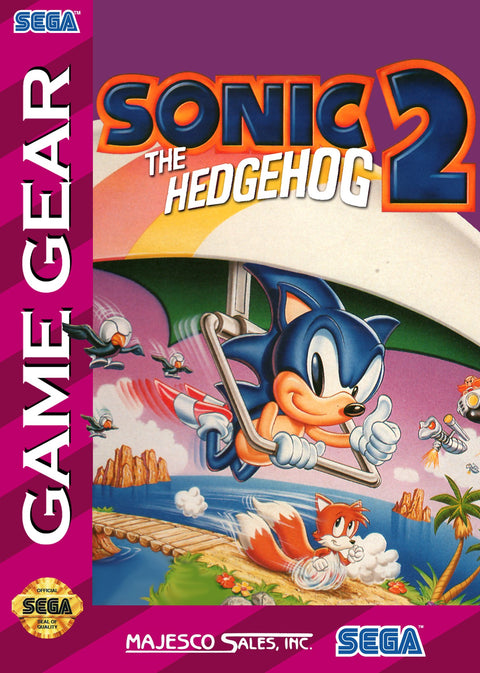
- Sonic the Hedgehog 2 for Game Gear: a useful Sega comparison for portable cartridge collecting.
Availability and condition options can change, so the linked product pages are the current source of truth.
The Zypher XP takeaway
Cartridge collecting becomes easier when the shell is treated as part of the hardware story, not just a container for a famous game. Learn the silhouette, verify the platform, inspect the condition and store each format on its own terms. That approach produces a collection that is easier to browse, safer to maintain and more honest about what every piece actually is.
Sources
- Nintendo: Our history
- Nintendo Support: Cartridge-based console precautions
- Image licensing and original files are linked in each caption.