The cavalry charge gets your attention. The lumber camp decides whether there is anything behind it. Age of Empires II: The Age of Kings makes a convincing case that medieval command starts with watching people carry things across a field.
Ensemble Studios' 1999 Windows game is our classic spotlight today. The appeal is the connection between a small settlement and a military plan: every ambitious move has to survive the journey from resource patch to usable army. That connection gives the quiet parts of a match real tension.
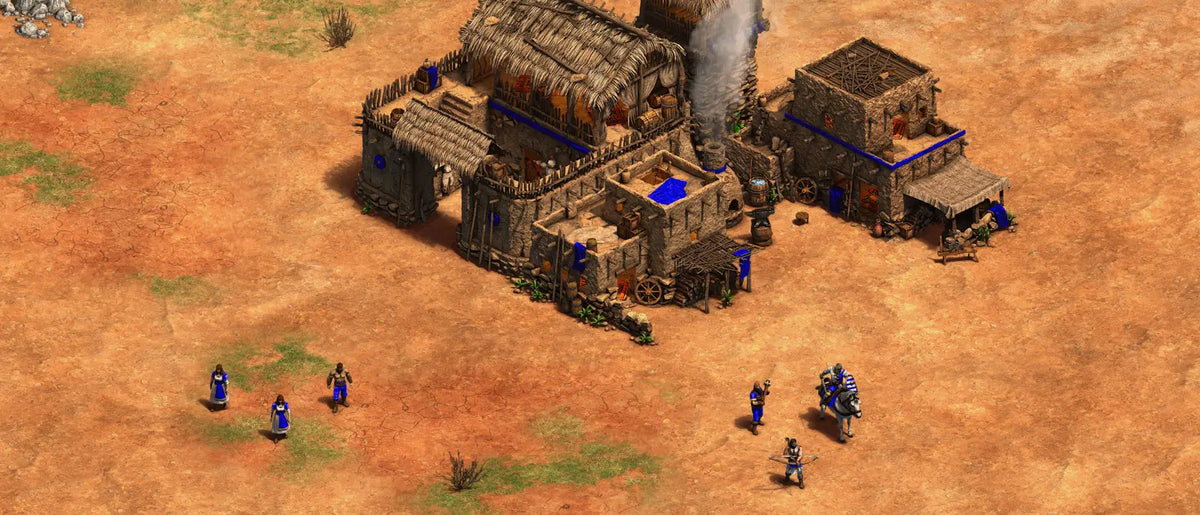
Visuals show the later Age of Empires II: Definitive Edition, using Microsoft's official learning-guide images. They illustrate shared systems and are not captures of the 1999 release. Featured image: blue villagers, buildings and mounted units. © Microsoft. Used with permission from Microsoft.
A short walk can become a long-term problem
The original Microsoft manual identifies food, wood, gold and stone as the economy's resources. Villagers gather them and return loads to appropriate drop-off buildings. A nearby Lumber Camp shortens the trip between trees and storage.
That little trip is a lovely piece of design. The map is doing economic work before anybody fires an arrow. A resource patch is valuable partly because of where it sits, and a building's location affects the work around it. Your base is a working arrangement of routes, rather than a picture you finish and stop thinking about.
Our advice is to watch a gathering cycle before adding another grand project. Follow one villager from the resource to the drop-off. If the route looks awkward, investigate the layout. You do not need a tournament spreadsheet to notice that half the workforce seems to be on a walking holiday.
This also makes a settlement readable. You can look at its activity and ask what the owner is trying to accomplish. The useful question is how those separate jobs connect. A pile of one resource is less exciting when the next planned purchase needs something else.
Scouting buys a better question
The original manual describes scouts as faster and able to see farther than villagers. Exploration reveals resources, terrain and enemy settlements. Its fog-of-war explanation matters: a previously explored location can retain an old view rather than show current enemy activity.
That turns scouting into a habit of checking assumptions. A remembered enemy building tells you something happened there. It does not settle what is happening now. Planning an attack around stale information is an excellent way to arrive prepared for yesterday.
For a returning player, we recommend giving each scouting trip a purpose. Look for the next resource location, check an approach, or refresh a view of the opponent's settlement. The reward is a decision you can explain afterward. Wandering just to make more of the map visible can miss the information your plan actually needs.
There is a useful balance here. You want enough information to commit, but waiting for perfect certainty has a cost too. That tension is part of our affection for the game. It makes the world feel contested before the armies meet.
The next Age is a commitment
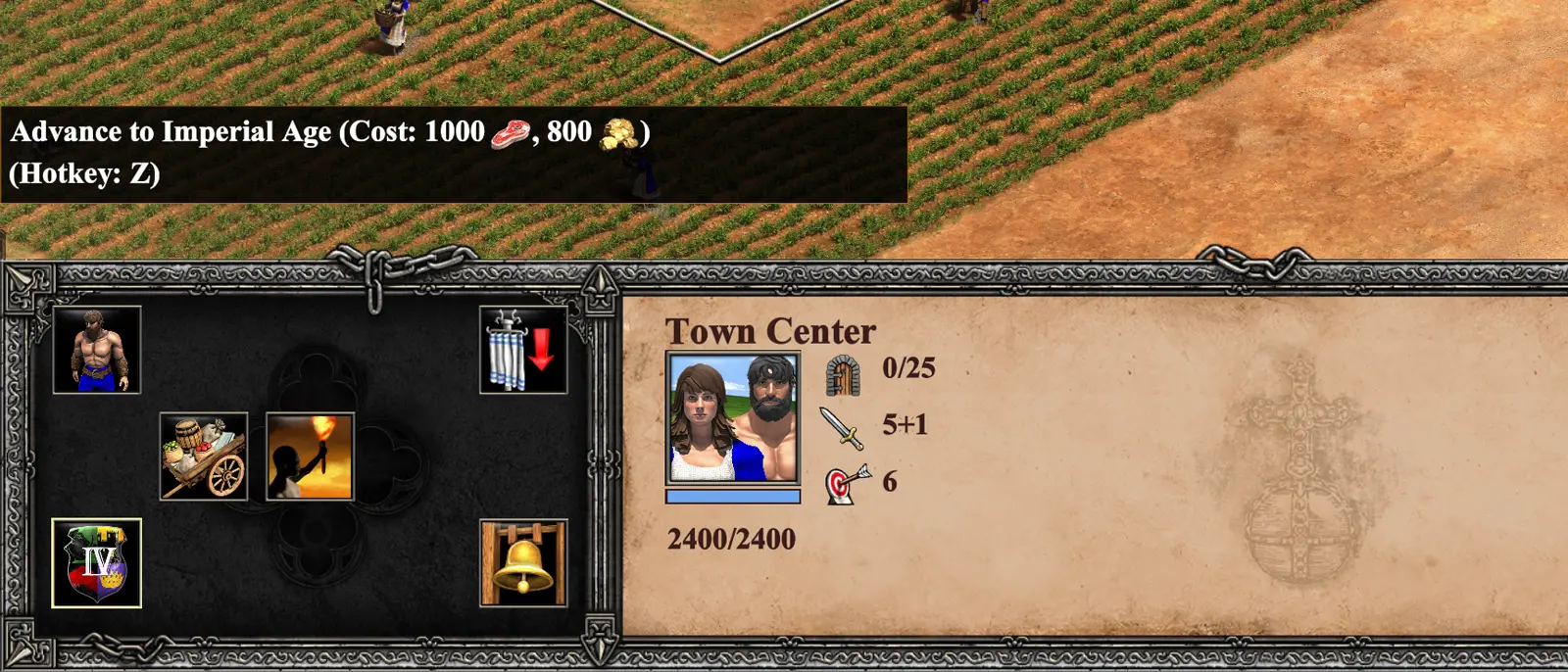
Progress runs through the Dark, Feudal, Castle and Imperial Ages. Microsoft's advancement guide explains the underlying bargain: advancing consumes resources and opens technologies, buildings and military options. Required buildings also gate that step.
The interesting part is what you intend to do after advancing. Saving toward the next Age changes the spending available before it. Reaching it then creates another set of demands. Our recommendation is to name the first useful action you want from the upgrade before committing to it.
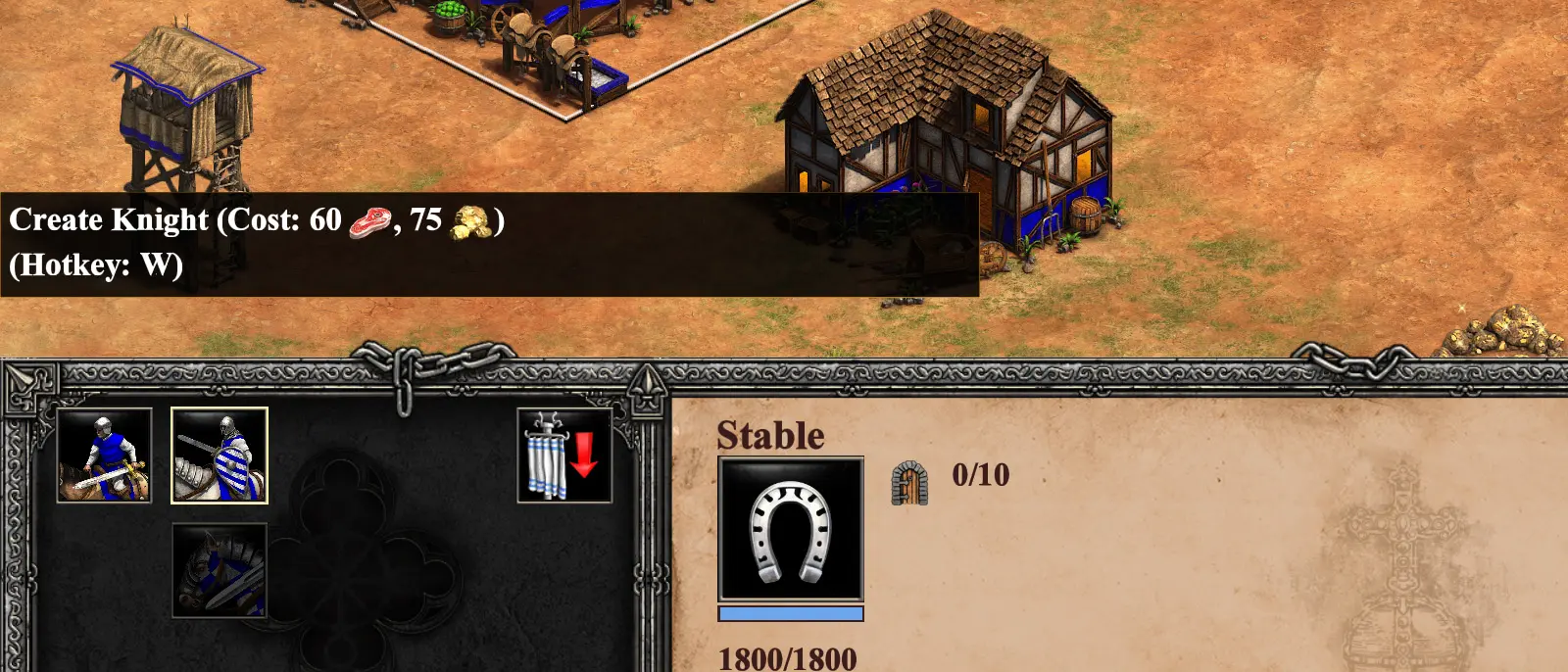
For example, wanting Castle Age access to Knights gives the decision a shape. You are planning toward a particular military option. You can then judge whether your economy and production can support that intention, instead of treating the new Age label as the entire achievement.
It is an engaging progression system because the future keeps competing with the present. We like that an apparently successful economic plan can still need a defensive rethink. There is room for ambition and room for the opponent to make that ambition inconvenient.
Train what the economy can replace
The official military and economy guide connects army choice with resource allocation. Cavalry comes from Stables; infantry from Barracks; archers from Archery Ranges. It also advises rebalancing villagers when your strategy or defensive needs change.
Our practical reading is to think beyond the first group you train. A plan should answer how the next group will be funded. That is where a favorite unit becomes a real strategy: you arrange an economy around producing it, using it and responding when that approach needs adjustment.
There is a satisfying diagnostic exercise after a stalled attack. Look back at the settlement and ask which part stopped supporting the plan. Were you waiting for a needed resource? Was production sitting unused? Had the opponent forced attention somewhere else? Those questions are more useful than deciding the entire civilization must be wrong.
That does not mean every match needs to become homework. It means a defeat can leave you with one specific thing to try differently. We would rather change one part of the next attempt than memorize a long sequence without understanding what it is supposed to achieve.
Good upgrades need an actual job
Technologies can improve gathering or military performance, but the official introduction also makes clear that research costs resources and takes time. A bonus has a place in a plan; it is another commitment to evaluate.
Our advice is to pair each upgrade with its intended benefit right now. An economic improvement should support the work you are doing. A military improvement should fit the force you expect to use. That keeps the technology menu from becoming a shopping spree conducted while somebody else is marching toward town.
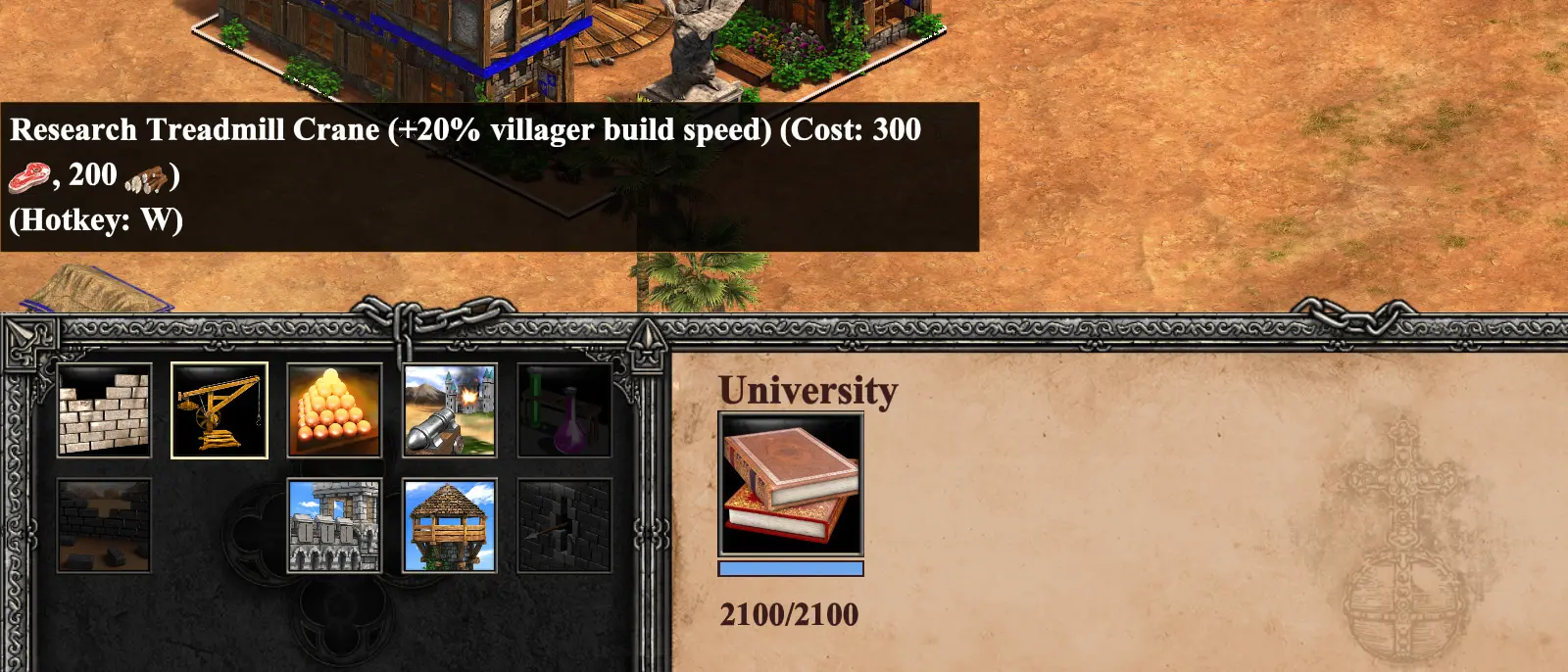
This is where the game earns its classic status for us. The spectacular decisions and the ordinary ones keep sharing the same budget. You can be drawn in by a castle and stay interested because of everything needed to make a plan work around it.
Choose a version for the evening you want
The 1999 original is the historical subject here. The 2013 HD release and the later Definitive Edition are separate releases, not interchangeable labels on the same package. Xbox's 2019 remaster coverage places Definitive Edition after HD, while the current Steam listing dates the PC Definitive Edition to November 14, 2019.
For learning the systems on a current PC, our pick is to investigate Definitive Edition and read its current requirements and package contents. For collecting the original, the appeal may instead be the specific release and packaging. Neither goal is served by assuming a familiar title guarantees the edition you meant to buy.
If you want the wider family comparison, our Age of Empires franchise guide covers the other branches. This spotlight's recommendation is simpler: give II an evening where you pay attention to the work behind the army. A better-placed camp is a small change you can actually understand.
A physical collecting detour at Zypher
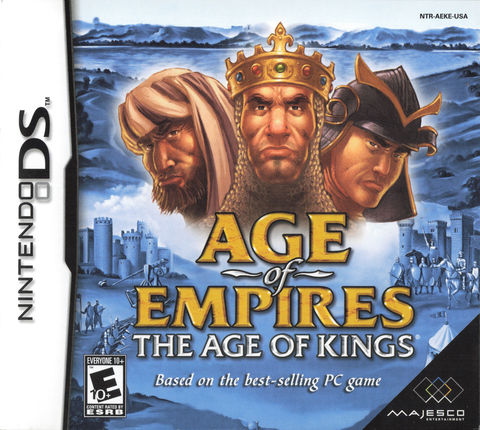
Age of Empires: The Age of Kings for Nintendo DS is a separate turn-based game, as Nintendo's publisher description confirms. That distinction matters if the shared subtitle catches your eye: this listing is for Nintendo DS, not the 1999 Windows game or Definitive Edition.
Shop your next physical game with Zypher. Check the DS listing's selected condition and stated contents, browse Zypher's games, or sell your old games to Zypher when your shelf needs room. Choose the platform and copy first; the campaign can wait a minute.
Sources and Zypher listing checked November 8, 2026. Strategic recommendations and design judgments are Zypher editorial analysis. All images are complete publisher-provided Age of Empires II: Definitive Edition learning-guide assets, displayed proportionally. © Microsoft. Used with permission from Microsoft.