Zypher XP | Rogue Legacy 2 progression guide
A powerful pickup in Rogue Legacy 2 can change the next fight without becoming part of the next heir's inheritance. That is the distinction to understand before treating every new reward as something you have permanently unlocked.
Cellar Door Games builds several kinds of progress into the same adventure. Relics affect the current run. Heirlooms grant lasting abilities. Manor upgrades develop the family between attempts. Once those jobs are clear, the names become useful information instead of three more things to blame after meeting the death screen.
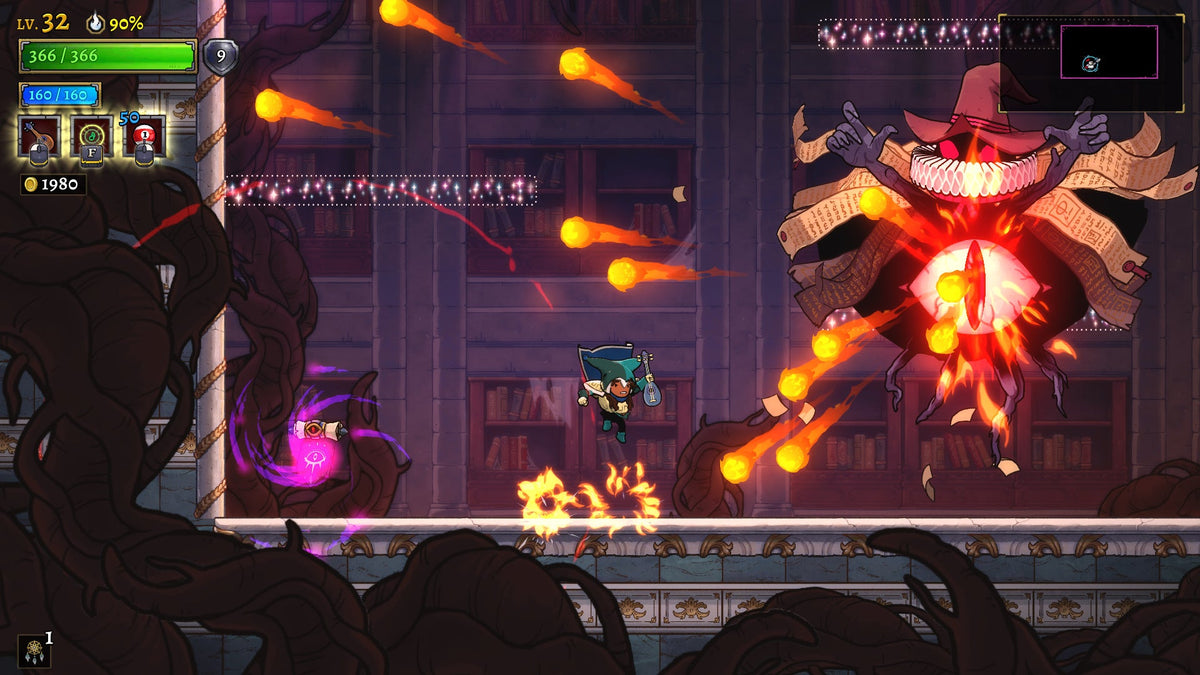
Featured image: Enoch combat from Cellar Door Games' official Rogue Legacy 2 press kit. Historical promotional gameplay; capture platform and build unspecified. © Cellar Door Games.
Relics belong to the heir taking the risk
The developer's Steam description presents Relics as items that change a run through effects such as altered stats, challenges or additional abilities. It explicitly says those Relics are lost when the hero dies.
That makes a Relic a decision about the character you are using now. Consider what it asks from this heir and what that heir can do. An effect that sounds attractive in isolation still needs to fit the weapon, abilities and situation you actually have.
The same description warns that collecting more Relics affects Resolve. Check the displayed Resolve impact as well as the benefit before accepting it. A list of powerful-sounding effects is only half the decision.
Our practical recommendation is to finish the sentence “This helps this heir because...” before choosing. If you cannot connect the effect to a useful action or situation, you have identified a question to answer. Shiny is a visual quality, not a complete build plan.
Heirlooms change what later heroes can do
Cellar Door's official press kit describes Heirlooms as permanent new abilities that expand how heroes move through and interact with the world. It also makes clear that finding one involves proving yourself rather than simply collecting an ordinary pickup.

The useful result is a change to your available actions. After earning an ability, revisit the obstacles that made you wonder whether something was missing. You may now have a different way to approach them. That is an exploration suggestion, not a claim that every blocked route opens after the same reward.
A failed attempt after obtaining a lasting ability can therefore leave a meaningful change behind. Losing a run's Relics and retaining a permanent ability are compatible outcomes. Keep those results separate when deciding what the next heir has inherited.
The manor is another kind of inheritance
The press kit also describes spending inheritance to develop the family manor and improve later heroes' prospects. That progression exists alongside the changing characters and the randomized kingdom. A particular heir's equipment choices and the family's development should not be treated as one interchangeable reward system.
Before spending, identify what the selected upgrade changes. Does its description address a problem you are encountering, or are you buying it because it happens to be affordable? An upgrade earns its place by helping with an actual problem, not just by giving your inheritance somewhere to go.

Check which menu you are using before comparing two apparently similar benefits. Equipment, a manor purchase and a Relic can all look useful while belonging to different decisions. The name of the system and the item description tell you more than a general impression that your character is getting stronger.
Choose the heir with the tradeoff in view
The developer describes heirs with different traits and abilities, and its press kit identifies gold-gain modifiers attached to some traits. A larger advertised reward needs to be considered alongside the condition attached to it.

Compare the whole selection rather than sorting candidates by one promising number. Your comfort with a character's weapon can matter to the decision, as can the trait's demands. A large modifier can be tempting, but you still have to work with the trait attached to it.
The separate House Rules system offers another way to adjust the experience. The publisher's Nintendo description names contact-damage toggles, damage and health adjustments, and flight for platforming sections. Those are documented options to investigate if the default challenge is preventing you from enjoying the game.
Use the right label when checking progress
| System | Main question |
|---|---|
| Relic | What does this change for the current hero, and what happens to Resolve? |
| Heirloom | Which lasting ability have I earned? |
| Manor | What does this upgrade change for later heirs? |
| Heir selection | Which character and trait combination do I want to take into the kingdom? |
Knowing what a reward belongs to helps explain both the excitement of finding it and the limits of what it promises. A Relic disappearing with its owner is less confusing when you were never expecting it to be the family silver.
Put another castle adventure on your Zypher shelf
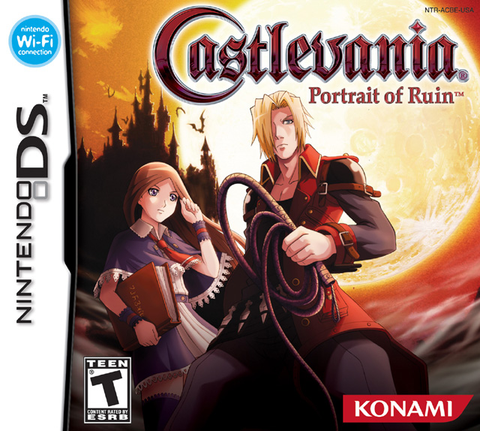
Buy your next physical game from Zypher Trading Video Games. For a separate side-scrolling adventure, check our Castlevania: Portrait of Ruin for Nintendo DS listing. It is a different game with its own systems, sold here in its Nintendo DS edition. Check the selected condition and included contents before ordering.
Ready to make room for another game? Sell your old games to Zypher through our Buy List.
Developer descriptions, exact press assets and native Zypher listing checked November 1, 2026. Images are unmodified in-game screenshots supplied by Cellar Door Games' official Rogue Legacy 2 press kit. © Cellar Door Games. Recommendations are Zypher editorial advice.