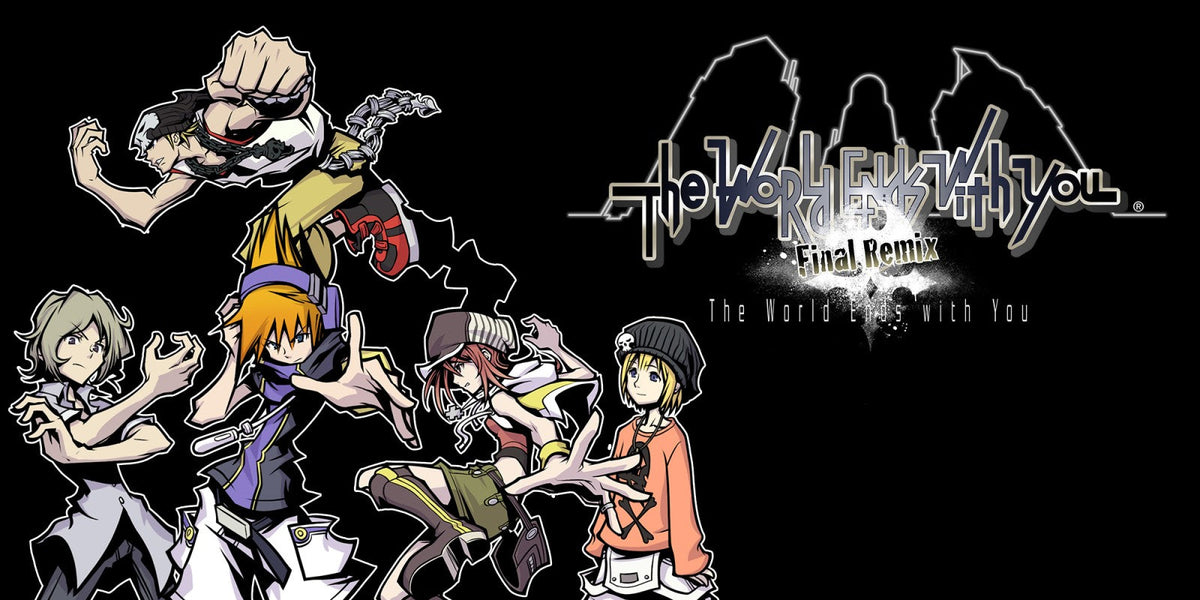
The World Ends with You did not merely use the Nintendo DS because that was the available handheld. It treated the machine's two screens, touch panel and microphone like parts of the same instrument. Battles ran across both displays while stylus motions triggered attacks below. Nintendo's original product page even notes that some commands could be shouted into the microphone. The DS was not carrying the idea. The DS was the idea.
That makes the 2008 action RPG a useful case study in hardware-specific game design. It also makes buying a version today more interesting than choosing the newest box. The original DS release and the later Final Remix tell the same broad story, but they ask the player to meet that story through different controls.
Two screens turned attention into a resource
Nintendo describes the original battles as taking place across both DS screens. That one sentence explains why the combat still sounds unusual years later. Most games ask you to read one action space. The World Ends with You made the display itself part of the pressure.
The lower screen put Neku's attacks under the stylus. Different motions activated different powers, so tapping, slashing and dragging were not just menu gestures. They were combat verbs. The upper screen carried the partner side of the fight. Even when a player simplified part of the workload, the visual split kept the battle from feeling like an ordinary RPG with a touch-screen shortcut bolted on after lunch.

The important design choice was not difficulty for its own sake. Divided attention matched a game about connection. Neku begins closed off from the people around him. Combat keeps asking the player to manage more than one point of view. The hardware and the character arc are doing related work, which is much smarter than using the microphone once so the feature list can wear a party hat.
Pins made touch controls readable
The game's powers come through Pins. Nintendo's Final Remix page describes Pins as tools for offensive and defensive abilities, as well as ways to interact with the world. In combat, Pins have cooldown periods, so a powerful attack is also a timing decision. You cannot scribble at the screen forever and expect Shibuya to applaud.
That system helps the stylus controls make sense. A gesture is tied to a specific ability, and the icon tells you what kind of tool is ready. The player is learning a small vocabulary of actions rather than performing random touchscreen aerobics.

Pins also connect combat to the city. Nintendo explains that they can help Neku move obstacles, read thoughts and implant words while solving problems outside battle. The same collectible language follows the player through exploration and fighting. That keeps the interface from splitting into a pile of unrelated gimmicks.
Fashion was a system, not wallpaper
Shibuya's style is not just visual decoration. Nintendo's original DS page says fashion affects battle performance. The Final Remix page explains the rule further: districts favor particular brands, popular equipment performs better there, and repeated use can influence a brand's local popularity.
That is a wonderfully specific way to make the setting mechanical. Clothing is not only a ladder from weak shirt to stronger shirt. Context matters. A useful outfit can become less useful because the neighborhood has opinions. Apparently even the apocalypse has dress codes.
Food follows the same city-first thinking. Nintendo says meals can provide immediate and longer-term stat effects, with permanent benefits arriving after enough battles for the food to be digested. Shopping and eating therefore become part of character growth rather than scenery between fights.

Final Remix had to translate the hardware
A Nintendo Switch has one screen, so Final Remix could not preserve the DS arrangement literally. Nintendo says the Switch version supports touch controls in handheld mode and a mix of motion and button controls in TV and tabletop modes. It also lets two players tackle the story locally with one Joy-Con each, and it adds a new chapter.
That makes Final Remix more than a sharper copy, but it also makes it a reinterpretation. The original DS version is the one to choose if the two-screen battle structure is your reason for playing. Final Remix is the practical choice if you want the added chapter, local two-player option or a version designed around Switch controls. Nintendo's current product page also reports Switch 2 compatibility with no known issues.
Neither choice needs fake superiority attached to it. The DS release preserves the most hardware-specific form of the design. Final Remix preserves the story and broad systems by rebuilding combat for another machine. One is the original instrument; the other is an arrangement for a new stage.
What still works, and what does not
Nintendo's DS page records a release date of April 18, 2008 for Europe and lists one to four players. It also carries the current warning that Nintendo Wi-Fi Connection features for DS and Wii software ended on May 20, 2014. Do not buy the original cartridge expecting its old online trading features to come back because the label still mentions them.
The local game remains the reason to own it. If you buy a DS copy, check the cartridge region and the exact system you plan to use. Zypher's DS and 3DS compatibility guide covers the model and region details that matter before checkout.
Build a DS shelf that actually works
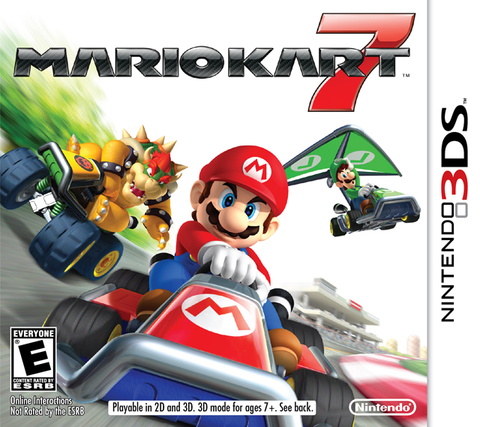
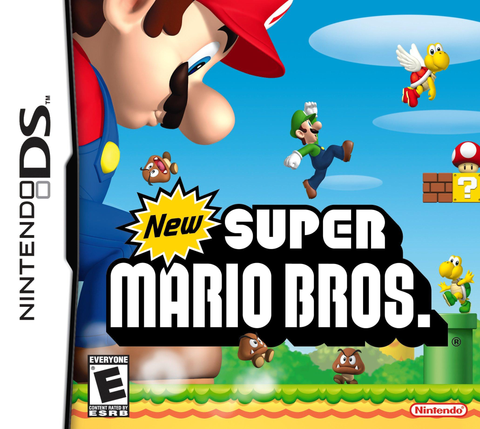
Zypher does not currently have a live The World Ends with You listing, so we are not going to pretend a different cartridge is the same purchase. We do have active listings for New Super Mario Bros. on Nintendo DS and Mario Kart 7 on Nintendo 3DS. Read each live condition carefully because case, manual and cartridge-only options are different products.
Looking to clear room for another handheld classic? Sell your old games to Zypher. The shelf can change; the compatibility rules remain stubbornly employed.
Sources
- Nintendo: The World Ends with You for Nintendo DS, checked October 24, 2026.
- Nintendo: The World Ends with You Final Remix, checked October 24, 2026.
- Square Enix: Final Remix overview, checked October 24, 2026.