Nintendo e-Reader asked a very 2002 question: what if downloadable content arrived on a piece of cardboard? The answer was a Game Boy Advance accessory that scanned printed Dot Codes from trading cards, then turned those stripes into games, items, music, or extra content.
That idea sounds charming now because it was physical, strange, and completely unwilling to make setup someone else’s problem. Depending on the card, you might need an e-Reader, a Game Boy Advance, a second Game Boy Advance, a Game Link cable, a GameCube, a GameCube Game Boy Advance cable, and the correct compatible game. It was downloadable content with a wiring diagram.

The promise was real physical DLC
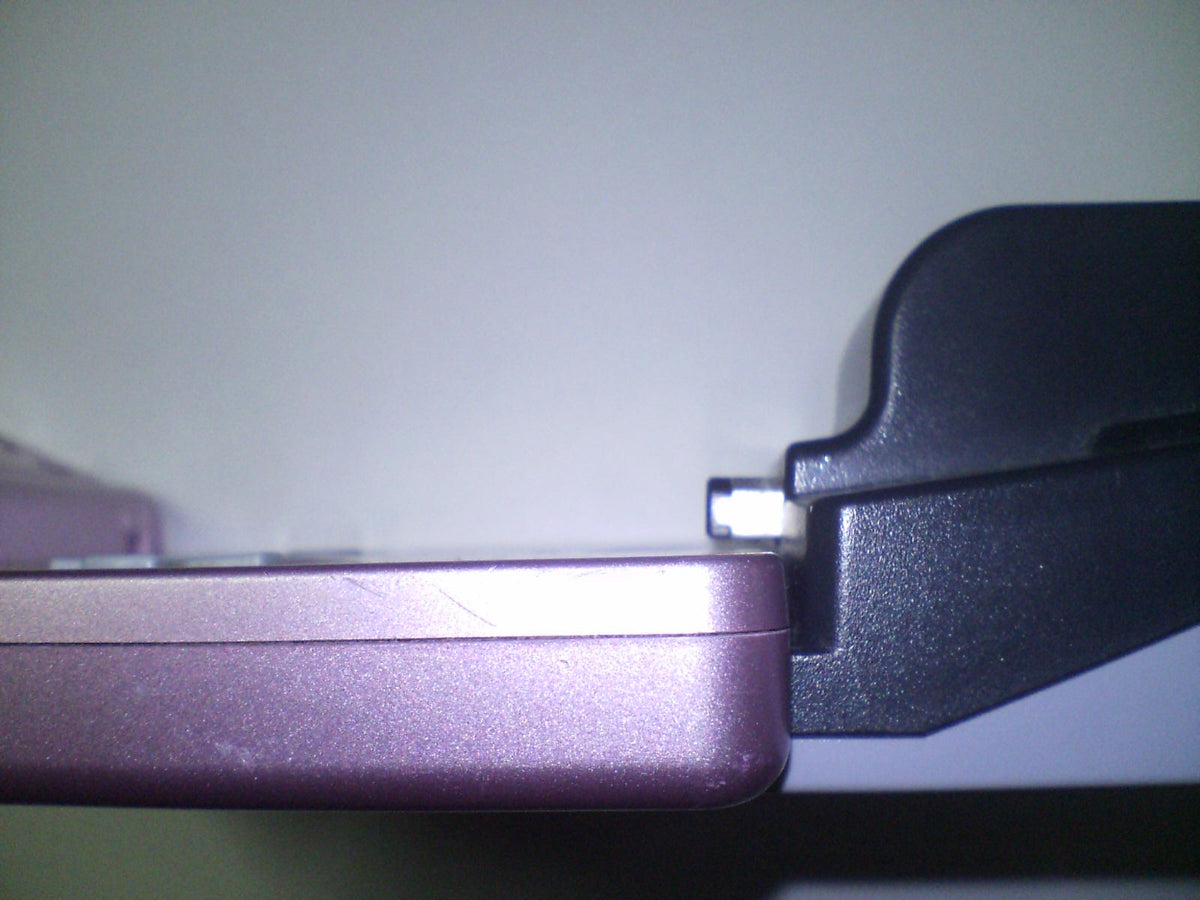
The official e-Reader instruction booklet explains the basic trick. The accessory plugs into the Game Boy Advance Game Pak slot. A card slides through the reader with its Dot Code facing the scanner. Some cards work alone, while others communicate with compatible Game Boy Advance or GameCube software.
That flexibility made the hardware more interesting than a barcode novelty. Nintendo’s own history page describes game information being stored on cards and transferred to the Game Boy Advance. Cards could hold tiny standalone games, unlock features, or supply data to another title. The card was not merely proof of purchase. It carried the content.
In Nintendo’s later discussion of Super Mario Advance 4: Super Mario Bros. 3, developers recalled using the e-Reader to add extra stages. That remains the cleanest version of the pitch: buy a card, scan it, and a cartridge you already own gains something new. No account menu, no 40-gigabyte update, and no warning that the server is feeling shy today.

The actual setup kept growing
The e-Reader manual is refreshingly honest about the hardware pile. It says some games require more than one card scanned in the correct order. It also tells owners to read each game’s instructions because compatible setups vary. Connecting to another Game Boy Advance requires a Game Link cable. Connecting to a GameCube requires the GameCube Game Boy Advance cable. Both were sold separately.
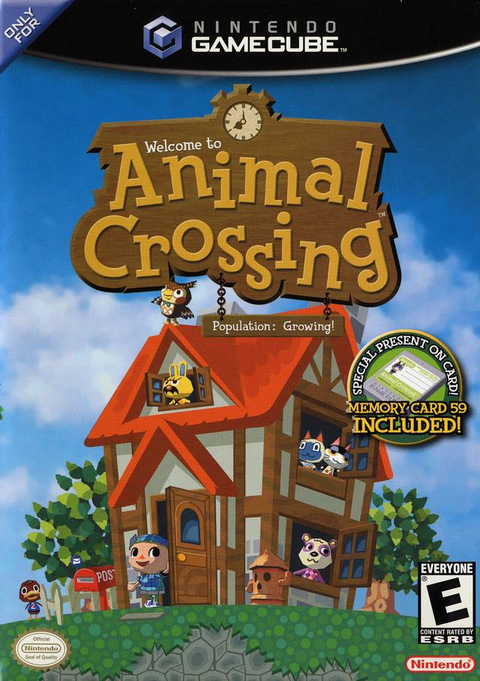
For a standalone card game, one Advance and one reader could be enough. For Animal Crossing on GameCube, Nintendo’s own retrospective says e-Reader cards could load data for additional characters. That interaction tied together a television console, a handheld, the reader, a cable, compatible cards, and the game disc. The result could be delightful. The route to it looked like the back of an entertainment center after someone yelled, “I know which cable it is.”

Why the cards became a collector maze
The hardware did not define one universal kind of e-Reader card. Nintendo’s manual tells users to look for an e-Reader icon on card and game packaging, because compatibility belongs to the exact card and software combination. A stack of cards can include standalone diversions, unlock data, trading-card bonuses, and pieces that require multiple scans.
That creates the preservation problem. Owning the scanner is only step one. The useful collection is a matched set of hardware, cards, cables, regions, and compatible software. Cards can bend, tear, stain, or lose a clean scanning edge. The manual specifically warns owners not to use damaged cards. A normal cartridge can survive being loose in a drawer. A dot-coded card is less thrilled about becoming a drink coaster.
Some of the best content also became separated from the games that used it. The original Super Mario Advance 4 cartridge remains fully playable without cards, but its e-Reader stages show how optional physical content can become the rarest part of a release. The game is easy to identify. The complete card ecosystem takes more work.
The Nintendo DS closed the upgrade path
The e-Reader’s most damaging limitation is documented in Nintendo’s own Nintendo DS instruction booklet. The DS can run Game Boy Advance Game Paks in single-player mode, but Nintendo lists the Game Boy Advance e-Reader among the accessories that do not work with the system. The same list excludes the GameCube Game Boy Advance cable and ordinary GBA link cables.
That meant the new handheld could play many GBA cartridges while breaking the accessory chain that made e-Reader features possible. The reader physically occupied the cartridge slot and depended on connections the DS did not carry forward. Backward compatibility preserved the game, but not the whole experiment.
Nintendo did not publish one tidy percentage explaining why the e-Reader faded. The evidenced friction is enough to show the problem: separate cards, model-specific connections, multi-device setups, and no clean path into the DS generation. Zypher’s editorial read is that the accessory asked mainstream players to assemble too many exact pieces for content that was supposed to feel like a bonus.
What an e-Reader is still worth doing
A working e-Reader still matters because it preserves an unusual form of console content. It can run compatible card games without an online service, unlock supported material, and demonstrate an era when Nintendo tried to make printed cards behave like software media.
Before buying one, verify the exact reader model, Game Boy Advance compatibility, card slot condition, and cable requirements. Ask for a successful scan with a known-good card. If the goal is a specific game, confirm the exact game edition and every required connection before spending money on a mystery card lot.
For collectors, the best purchase is not necessarily the biggest stack. It is a small setup with a clear purpose: one tested reader, one supported game, the right cable, and cards that scan. That is less dramatic than buying a shoebox full of cardboard archaeology, but it produces considerably fewer evenings spent accusing a barcode of betrayal.