

Zypher XP | 10 Wild Facts
Cagney Carnation is a flower with an enormous set of teeth. In Cuphead, that is a boss encounter; outside the game, it is a fair reason to reconsider gardening. Behind those elastic faces sits an unusual production process, followed by a life that has reached well beyond the original adventure.
These ten facts focus on the original game's creation and its wider life, rather than another boss strategy or expansion shopping checklist. Historical figures are identified as historical, and development recollections are attributed to the people who supplied them.
Featured image: Cagney Carnation confronting Cuphead and Mugman. Unmodified official Studio MDHR gameplay press image. © Studio MDHR; capture platform and build unspecified.
1. More than 50,000 animation frames began on paper
In his 2020 PlayStation launch article, co-director Chad Moldenhauer said the game's more than 50,000 animation frames were drawn on paper and hand-inked. Every extravagant gesture represents another drawing someone had to finish. That gives the movement a handmade history beyond the appearance of an old film.
2. The backgrounds are actual watercolor paintings
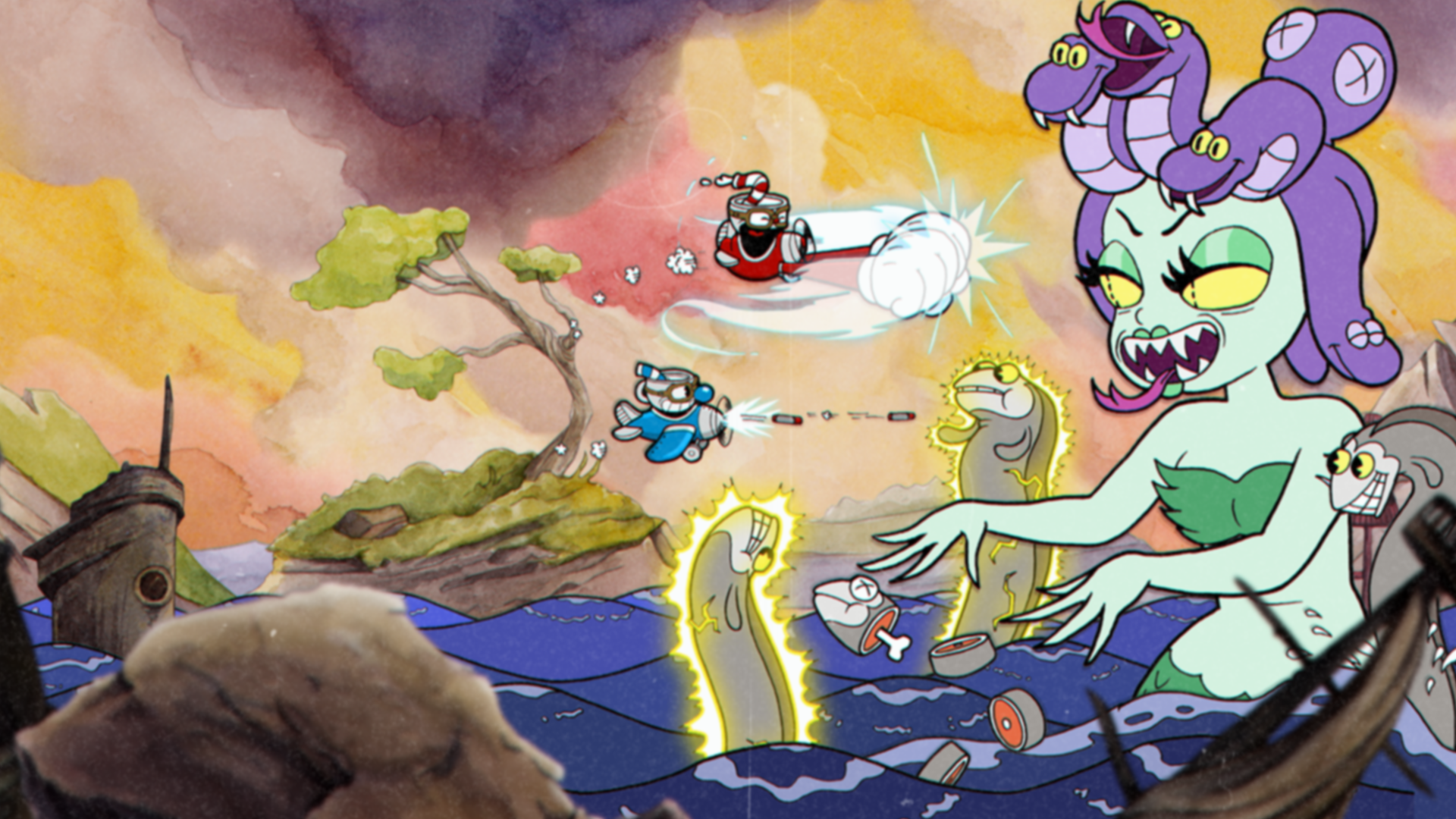
Studio MDHR identifies watercolor backgrounds among the original game's production techniques in its press kit. Look past the foreground action and the scenery has a different job: softer painted forms give the sharply outlined characters somewhere to perform. Our reading is that the contrast helps the world feel like a staged cartoon scene rather than a flat collection of matching sprites.
3. Traditional drawing did not mean rejecting every digital tool
Kill Screen's pre-release interview with Chad Moldenhauer reported that Photoshop was used to color the characters. Handmade drawing did not mean an entirely pre-computer workflow. Drawing, inking and coloring are different tasks, and the report identifies a modern tool within that process. The finished picture combines techniques rather than imposing one rule on every task.
4. Finding the right hero took around 150 character designs
Moldenhauer estimated roughly 150 character designs before the final cup-headed hero. Earlier ideas included a green kappa-like figure, a plate head and a fork head. The number is his estimate. An immediately recognizable silhouette can hide a long search through alternatives, including an impressive amount of potential tableware.
5. A 1936 animated short helped supply the cup
Kill Screen traced an influence to a teacup-headed figure in a Japanese propaganda cartoon from 1936, alongside Moldenhauer's explanation that trying versions of that shape clicked. It identifies one ingredient in the hero's visual ancestry, without reducing the finished game or its gameplay to a single old film.
6. The original soundtrack contains more than three hours of live recordings
Moldenhauer's PlayStation article describes over three hours of orchestral, big-band jazz recorded by live musicians. Its period character comes from performances as well as composition. The frantic visuals have a substantial musical production beside them. All that brass does more than politely wait for the next cartoon disaster.
7. The original game reached a million sales in two weeks
Studio MDHR's official history records one million units sold just two weeks after the original 2017 launch. This is a historical milestone, not today's total or a figure for The Delicious Last Course. The base game and expansion have separate success stories, even when their characters share a shelf.
8. Smash Bros. received a costume and a song, not a full Cuphead fighter
The developer's history identifies Cuphead's appearance in Super Smash Bros. Ultimate as a downloadable Mii Gunner costume accompanied by Floral Fury. It is a costume and music package, rather than a separate Cuphead fighter with a new moveset. A familiar face can enter another game in quite different forms.
9. The PlayStation reveal used physical puppets and vintage lenses
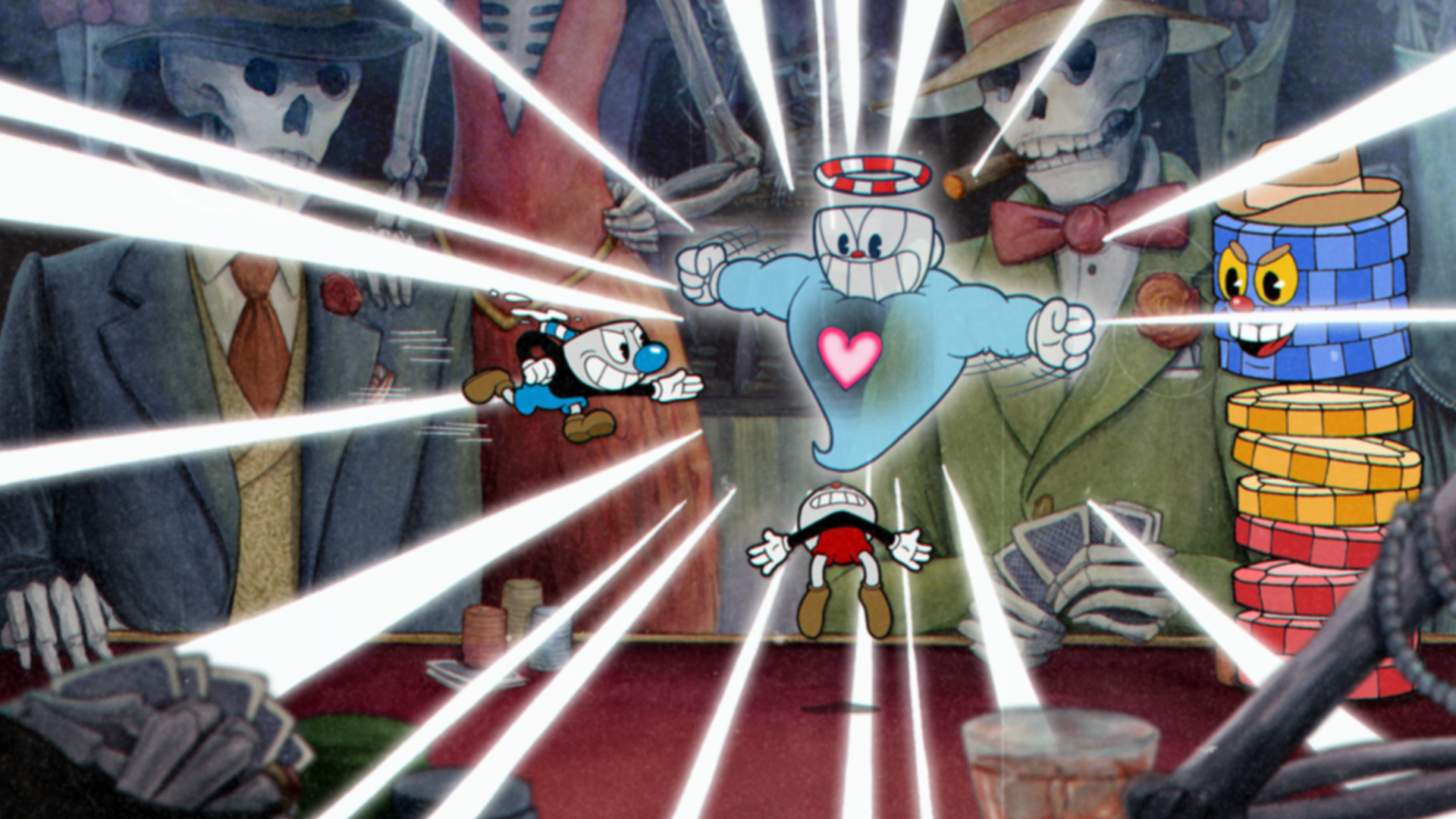
For the 2020 PS4 announcement, Studio MDHR worked with Stop Motion Department on a separate short. Moldenhauer described wooden puppet heads, leather hands and 1930s C-mount lenses, with charts and metal gauges replacing computer shot previews. Those are the trailer's methods. The gameplay animation discussed above and these physical puppets are separate productions, each pursuing an older visual language.
10. The cartoon-inspired game became a cartoon series itself
Studio MDHR's history records The Cuphead Show! through Netflix Animation. A game borrowing the language of old cartoon shorts became the source for a screen cartoon itself. The series and game are different works. Watching this cast cause trouble does not require completing a boss first, a generous arrangement for this particular group.
Put your next run-and-gun game on the Zypher shelf
Buy your next physical game from Zypher Trading Video Games. Browse Zypher's games, or check the related listings for Contra for NES and Contra: Shattered Soldier for PlayStation 2. These are separate games, not Cuphead editions. Check current availability, the selected condition and included contents before ordering.
Making room for another game? Sell your old games to Zypher through our Buy List. For Cuphead-specific purchase questions, our Delicious Last Course ownership guide separates the base game from the add-on.
Sources, exact press images and native Zypher listings checked November 2, 2026. Development recollections from Kill Screen are attributed original reporting; design readings and recommendations are Zypher editorial commentary. All three images are unmodified gameplay captures supplied in Studio MDHR's official Cuphead press kit for game coverage. © Studio MDHR. No platform or build is inferred from the button-free captures.


