Dead Cells can send you back to the dungeon while leaving you with more options for the next escape. A run ending and a save file making progress are different things. Before charging through another doorway, decide which one you are trying to improve. The island supplies plenty of trouble without you arriving with three conflicting plans.
Motion Twin's action-platformer combines repeated runs with exploration that opens up over time. Its official press kit names Castlevania: Symphony of the Night among its influences, but Dead Cells is not simply a castle map you uncover once. New permanent abilities create additional routes through its interconnected areas.
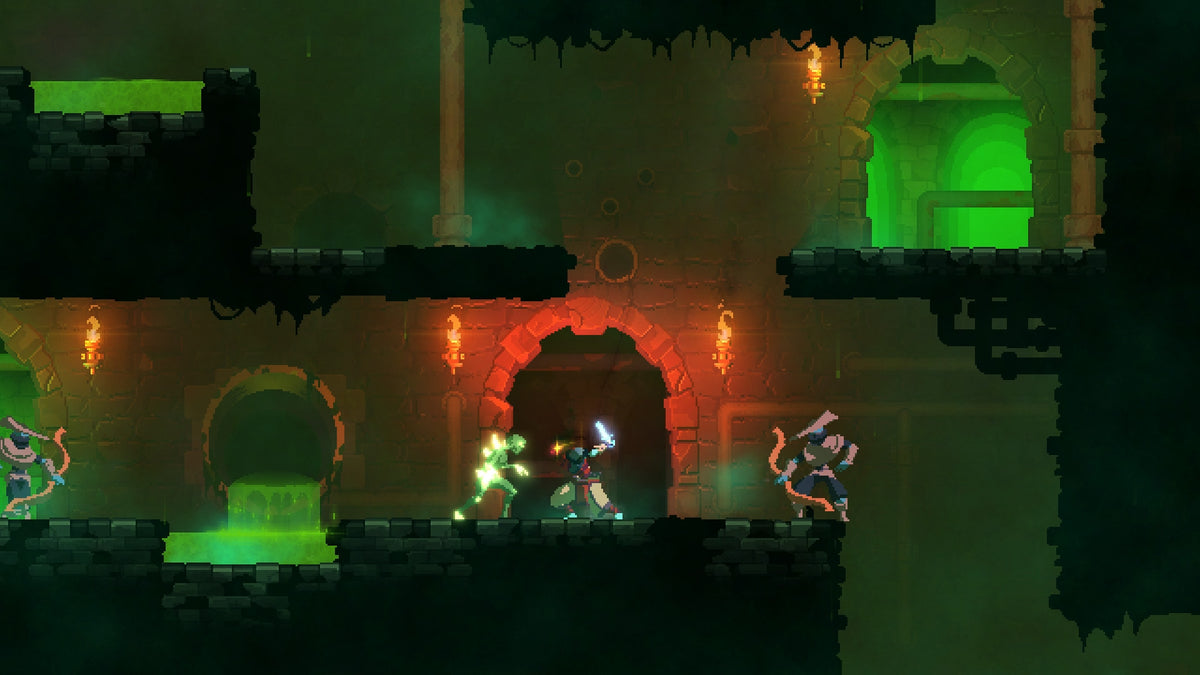
Featured image: combat in the sewers. Official Dead Cells in-game promotional capture, © Motion Twin. Capture platform and build unspecified.
Give the attempt a job before you start
The developer's Steam description explains that a destroyed host sends the player back to the dungeon, while some progression carries into later runs. That includes unlocked paths and access to additional weapons and abilities. Returning to the beginning does not mean returning to the same set of possibilities.
Our suggested approach is to choose one main objective for the session. You might want to push toward an unfamiliar area, pursue an unlock, or get comfortable using equipment you usually avoid. Those goals can overlap, but they should not all take turns steering every decision.
A run spent pursuing access to a new route should be judged by whether that access changed. A run meant to reach a boss should favor decisions that support reaching that boss. Otherwise, it is easy to turn a promising escape into an unscheduled tour of every suspicious opening.

A route unlock changes the next decision
Permanent traversal abilities matter because they change where you can go. Motion Twin describes alternate paths as a way to choose areas that suit your equipment or preferences. That makes a new ability more than another entry on a completion list: it can change your plan for a later attempt.
There is a concrete example in mobile publisher Playdigious's support guide to marked floor tiles. Those floors need an unlockable ability to break. Its explanation directs players through a route requiring teleportation access before finding the relevant rune in the Ossuary. Repeating the same jump at a locked obstacle is not a substitute for the missing ability. The floor has declined your application.
Use that distinction when an obstacle looks important but refuses to cooperate. Ask whether you need different execution or an ability you have not acquired. If it is the latter, make obtaining that ability the goal instead of treating the obstacle as a personal insult.
After opening a route, revisit your choices. A familiar area remains an option, but habit is a weak reason to ignore a newly available alternative. Our advice is to explore the new branch when exploration is the purpose, then decide whether it belongs in your preferred route.

Make the equipment and the route agree
In a 2018 account of the game's design, lead developer Sébastien Bénard described alternate paths as a way to bypass a level that did not suit a player's equipment or confidence. He also distinguished improving player skill from unlocking more weapons, levels and perks. The two kinds of progression serve different purposes.
That suggests a useful planning habit: describe what your current setup does comfortably before choosing where to take it. Do you understand how its attacks work together? Are you relying on a tool you keep forgetting to use? If an encounter exposes the same weakness repeatedly, changing the plan may be more useful than assuming another unlock will make the decision disappear.
Producer Steve Filby's official survival tips explain that grenades, turrets and traps use cooldowns. Try building them into your approach instead of remembering them after the fight has gone wrong.
Separate an upgrade from a lesson
Unlocked options give you something concrete to pursue between attempts. They do not tell you why a particular encounter went badly. Filby's guide points to enemy attack patterns and timings as things the player can learn, alongside using the dodge roll deliberately.
Keep those results separate when assessing a session. An unlock is a change to the available options. Recognizing an attack is knowledge you can apply. Reaching a later area is progress through that attempt. You can achieve one without achieving all three, and identifying which happened makes the next objective easier to choose.

Put another adventure on the Zypher shelf
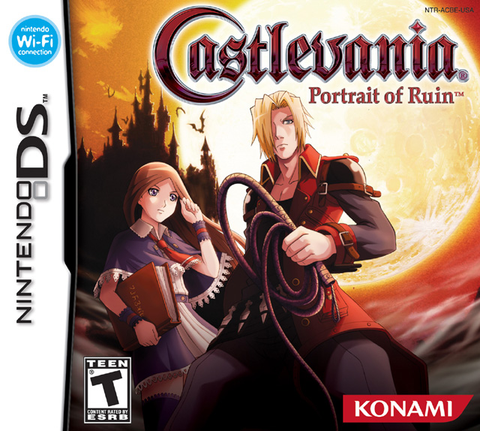
If Dead Cells has you interested in its Castlevania influence, compare Zypher's Symphony of the Night listing for PlayStation 1 and Portrait of Ruin listing for Nintendo DS. These are separate games, not Dead Cells editions or DLC. Check the platform, condition and included contents on each listing.
Buy your next physical game from Zypher. Shop Zypher's games, or sell your old games to Zypher when the shelf needs room for another adventure.
Primary sources, product listings and press imagery checked October 28, 2026. The cited 2018 developer accounts provide historical design context. Session-planning suggestions are Zypher editorial advice. Images are unmodified in-game promotional captures supplied in Motion Twin's official press kit; their exact capture platform and build are unspecified.