A ledge can look unreachable because your jump is wrong. In FEZ, it can also look unreachable because you are looking at the building from the wrong side. Gomez has a tiny red hat, a world full of floating architecture, and a rather large objection to the idea that the picture in front of you tells the whole story.
Polytron's puzzle-platformer makes that objection playable. You navigate a three-dimensional world through four flat views, turning to another side to reconsider the space. This feature looks at what that does to exploration, without handing over secret codes or revealing late-game discoveries.
The screen stops being the whole answer
In a conventional side-on platforming scene, the visible gap gives you a fairly direct question: can the character get across it? FEZ adds an earlier question. Is this the useful view of the structure?
The developer's current PC description establishes the basic trick: Gomez explores three-dimensional structures from four two-dimensional perspectives. Turning the view is part of navigating them. The camera becomes something you reason with, rather than a window you simply accept.
Zypher's reading is that this changes the meaning of being stuck. An unhelpful arrangement on the screen can invite another look at the same place. You are still dealing with ledges and height, but the shape you can see belongs to a larger object. Before blaming Gomez's legs, consider whether you have given them a useful view to work with.

A building is more interesting than a harder jump
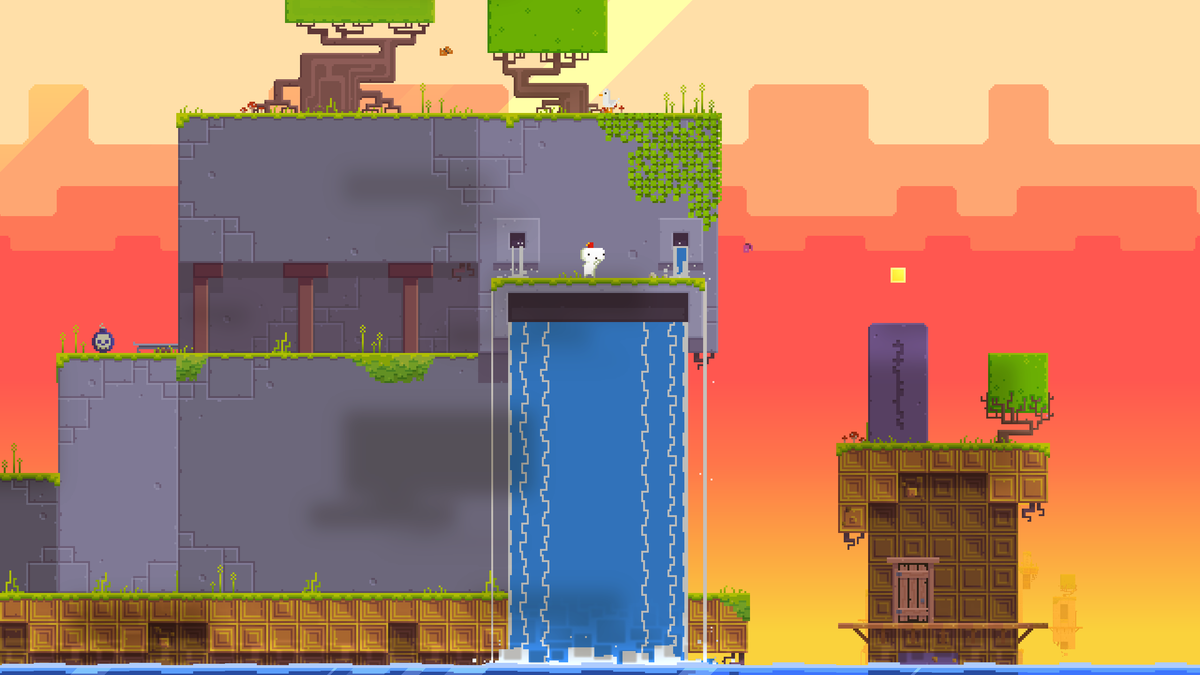
Look at the stone tower in the capture above. There is a doorway near Gomez, vegetation running down the structure, and a much higher opening framed by a tree. Nearby towers sit apart from it. Those visible relationships make the architecture worth examining before you decide what to try.
The useful distinction is between recognizing an object and understanding how to approach it. Seeing a door tells you that a door exists. It does not automatically explain your route to it. FEZ gives that ordinary platform-game observation more room to develop because the current view is only one of four.
For a first visit, treat a promising landmark as a place to understand. Notice which opening or ledge you were considering when you turn. Keep track of the structure instead of reducing the whole scene to “the bit on the right.” That is an approach to exploration, not a claim that rotating once solves every obstacle.
It also makes returning to a familiar-looking place potentially interesting. Your knowledge can change even when the place is recognizable. The reward is the small, satisfying moment when an arrangement starts making sense, rather than another demand to press jump with greater enthusiasm.
No boss is waiting to interrupt the thought
Polytron producer Marie-Christine Bourdua described FEZ's original release as April 2012 in her 2013 PlayStation introduction. She also made an unusually useful distinction for prospective players: FEZ has no enemies, bosses or combat. Its appeal is exploration and discovery.
That does not make every puzzle obvious. It changes what gets to occupy your attention. Our interpretation is that removing an opponent leaves more space for curiosity about the environment. You can be interested in the strange object overhead without simultaneously wondering which attack animation is about to ruin your afternoon.

The pictured golden cube is a good example of how much a simple composition can suggest. Gomez is tiny beneath it; the columns frame it; the background leaves it room to dominate. You do not need a wall of explanation to understand that this thing deserves attention. What it means is a separate question, and one worth leaving to the game.
A pleasant place can still keep a secret
The bright stonework and blocky trees are doing more than selling a retro look. In the featured image, Gomez's white body and red hat sit against purple masonry, blue water and an orange sky. The scene has obvious landmarks without resembling a diagram stripped of personality.
There is room for mystery inside that friendliness. In John Polson's 2011 interview, designer Phil Fish described an intended distinction between approachable exploration and a deeper layer of observation and encrypted puzzles. That is a development-era account, rather than a promise that every later discovery will suit every player.

Keep a note of something you cannot explain, then give yourself permission to continue exploring. A sketch or a short description preserves the question without a walkthrough answering three others you had not reached yet. If you do look for help, search for the specific place or obstacle you mean, rather than opening a complete secrets list and hoping your eyes behave.
FEZ suits a session spent investigating a place, especially when you enjoy leaving with a question still open. A modest-looking building can earn another visit because the last trip gave you a new idea about how to approach it. If you want another spatial puzzle with different rules, our Patrick's Parabox guide examines rooms inside boxes.
Find your next puzzle game at Zypher
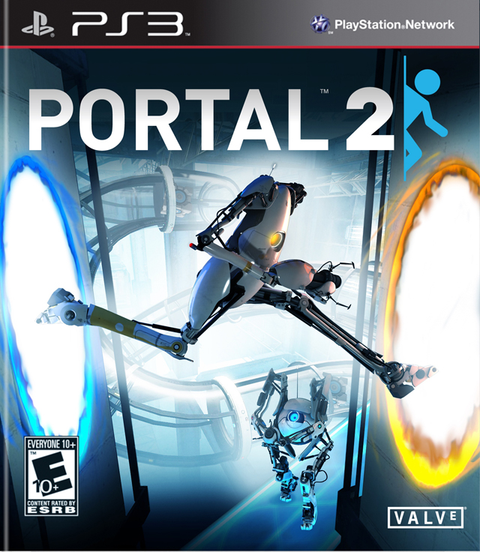
Buy your next physical game from Zypher. For a separate puzzle adventure, check Portal 2 for Xbox 360 or its PlayStation 3 listing. These are Portal 2 editions, not copies of FEZ. Read the platform, condition and included contents before ordering.
Browse Zypher's game collection, or sell your old games to Zypher when your shelf needs room for the next discovery.
Sources and image credits
Developer and original interview sources are linked where discussed. Sources and store listings checked October 30, 2026. This is researched Zypher design commentary, not a claimed new playthrough. The 2013 press images illustrate FEZ; they do not establish identical performance or contents across editions.
Featured image: Polytron Corporation, FEZ press screenshot 08. All four images are licensed CC BY-SA 3.0, with copyright-holder permission documented on their linked Commons pages. Images are uncropped and unretouched; web delivery may resize or re-encode them. No endorsement is implied.