Tony Hawk’s Pro Skater did not need a giant map, a hundred side quests, or a season pass shaped like a receipt. It needed a skateboard, a timer, and a level packed with suspiciously convenient handrails. That compact setup turned a two-minute run into one of gaming’s most replayable ideas and gave the series enough momentum to keep changing for more than 25 years.
The franchise has worn several identities since 1999: arcade score attack, trick tutorial, level-exploration game, story-driven skate adventure, plastic-peripheral experiment, and modern remaster showcase. Some versions landed cleanly. Others hit the pavement hard enough to make the controller wince. The interesting part is how often the series found a new way to build on the same basic promise: spot a line, learn it, then squeeze one more trick into it before the buzzer.

The two-minute run was the whole machine
The original Tony Hawk’s Pro Skater organized its career around short timed attempts. A level might ask for a target score, a collectible hunt, or a specific gap. Players could chase one objective, improvise a route, or spend the entire run trying to land a combo that had already become a terrible financial decision for the score counter.
That timer mattered. It made every restart cheap and every improvement obvious. A missed rail did not waste half an evening. It created a reason to hit reset and try the line again. The levels were small enough to learn but layered enough to keep revealing ramps, transfers, hidden areas, and better routes. In design terms, the series turned memorization into expression. Players learned the same spaces, then used them differently.
Tony Hawk’s Pro Skater 2 expanded that loop with manuals, which let players keep combos alive between ramps and rails. Create-A-Skater and the original Create-A-Park added longer-term ownership to a game built around brief sessions. The sequel did not throw away the two-minute idea. It gave players more ways to fill those two minutes with beautifully irresponsible arithmetic.
THPS 3 and 4 stretched the playground
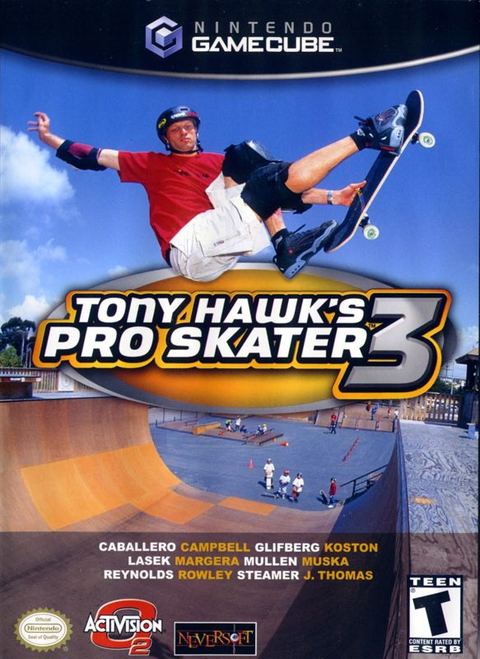
Tony Hawk’s Pro Skater 3 added the revert, closing another gap in the combo system by helping players continue a line after landing from a vert trick. That change helped connect the series’ movement into a more continuous language. A ramp was no longer necessarily the end of a combo. It could be punctuation.

Tony Hawk’s Pro Skater 4 then loosened the traditional career structure. Instead of dropping every goal into the same timed run, it let players explore a level and start objectives by speaking to characters. The clock still appeared when a challenge needed it, but the world no longer shoved players out after two minutes. That was a major shift: the levels became places to inhabit, not only courses to solve.
The 2025 release of Tony Hawk’s Pro Skater 3 + 4 showed how durable those eras remain. Activision’s official launch information lists rebuilt parks, Career Mode, Create-A-Park, local split-screen, and cross-platform online multiplayer. It also adds new locations including Waterpark and Pinball. The restoration is not a museum display with a “do not grind” sign. It treats the old layouts as working game design.
Underground made the skater the story
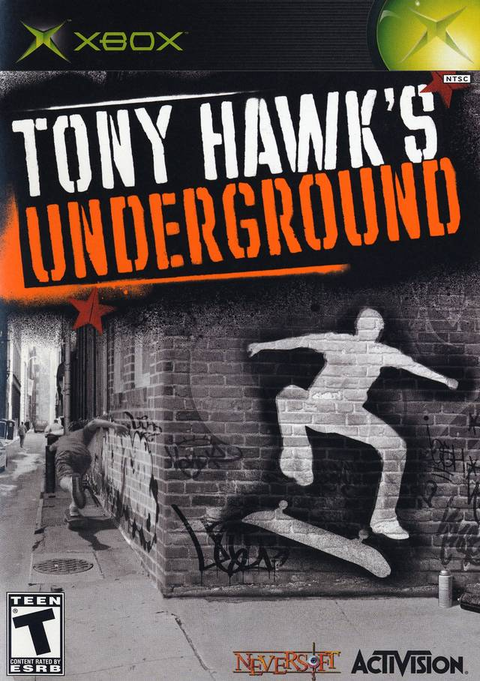
Tony Hawk’s Underground pushed the series toward a more personal campaign. Instead of only moving a roster of professional skaters through a list of goals, it centered a created skater and a story-driven climb through the skate world. Getting off the board also changed how levels could be navigated. The result was messier than the clean arcade structure, but deliberately so. It wanted the player to feel like a person moving through a skate scene, not just a combo delivery system.

That pivot explains why different players remember Tony Hawk for different reasons. One group remembers maximizing a Warehouse run. Another remembers creating a skater, exploring cities, and chasing a campaign. Both versions share the same movement vocabulary, but they use it for different kinds of play.
When reinvention stopped helping
A long-running series eventually meets the dangerous question: what if the controller itself needs replacing? Tony Hawk: Ride and Tony Hawk: Shred built their identity around a skateboard-shaped peripheral. The idea sounded physical and immediate. It also moved the franchise away from the precise button controls that had made its trick system readable, repeatable, and fast.
This is the franchise’s clearest cautionary chapter. Reinvention works when it strengthens the central loop. Manuals, reverts, open goals, and created-skater stories all changed what players could do with familiar movement. A dedicated board controller asked players to learn an entirely different relationship with the game. The hardware became the headline, and the series’ most reliable strength became harder to reach.
The remasters proved the old rhythm still works
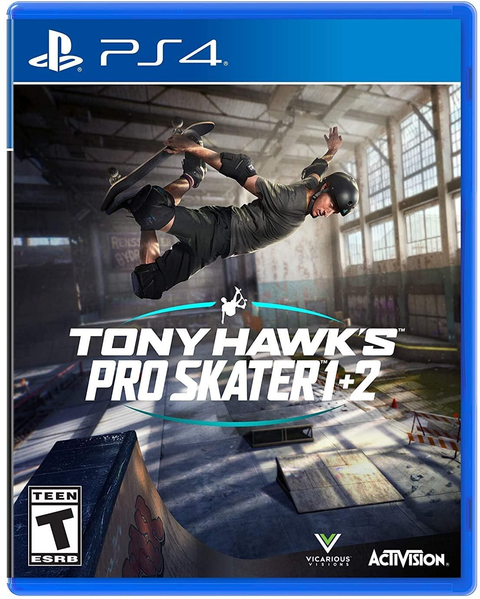
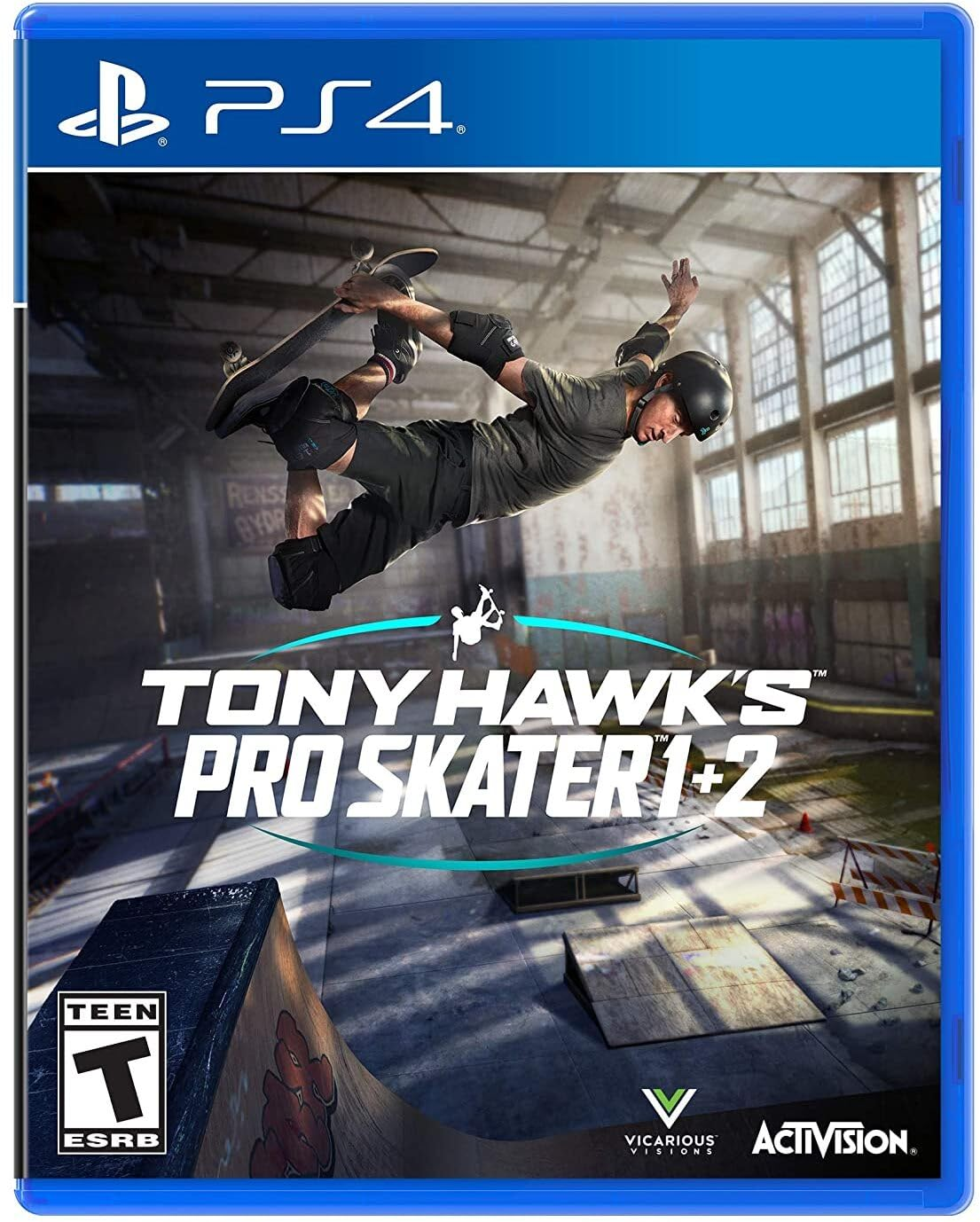
Activision released Tony Hawk’s Pro Skater 1 + 2 on September 4, 2020. Its official launch material described a faithful remaster of the first two games with classic levels, original and newer skaters, Create-A-Park, Create-A-Skater, local play, and online modes. The important choice was not simply rebuilding the graphics. The collection respected the speed of restarting, routing, and improving.

Tony Hawk’s Pro Skater 3 + 4 followed in July 2025, connecting the franchise’s early score-attack years with the more open structure that followed. Together, the collections make a strong case for the series’ core design. A Tony Hawk game does not need to imitate every modern open world. It needs responsive movement, levels worth learning, goals worth replaying, and enough personality that the loading screen practically arrives with a guitar riff.
What still makes Tony Hawk worth collecting
The physical releases document the series’ evolution unusually well. Early entries show how much depth could fit into compact levels. THPS 3 captures the combo system near its arcade peak. Underground records the moment the franchise became a character-driven adventure. The modern collections provide an accessible route back to the earlier design while preserving a version of its original identity.
That variety is also why condition and edition matter. A loose disc can be perfectly useful for playing, while a complete copy has stronger shelf appeal. Peripheral-based entries need extra scrutiny because the software and its intended controller are separate pieces of the experience. Check the platform, included items, and condition instead of assuming every listing contains a complete setup. Plastic hardware has a habit of wandering off over the years. It is apparently very independent.