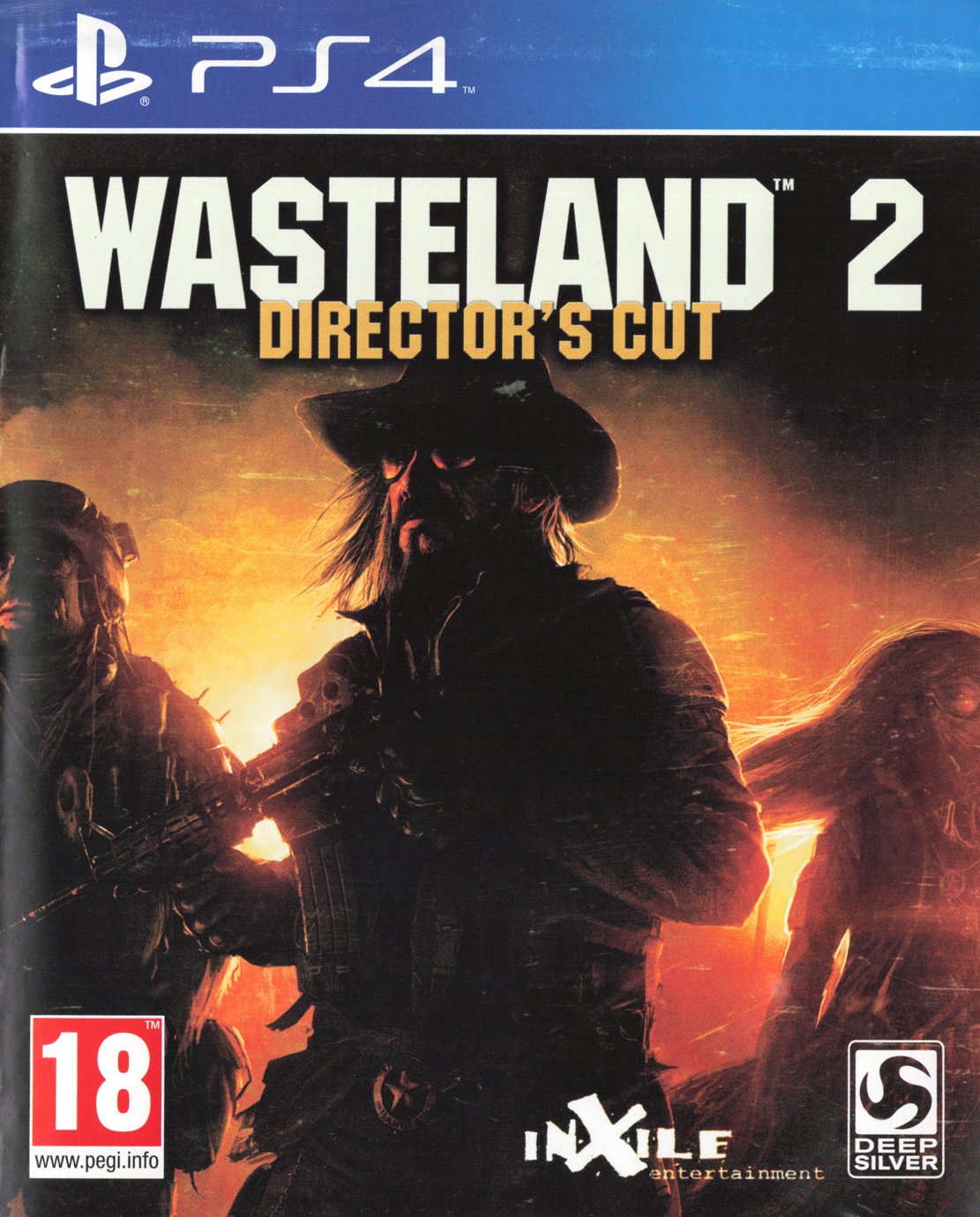
Wasteland 2: Director's Cut
Wasteland 2: Director's Cut is a squad-based role-playing game about trying to keep order in a world that has already fallen apart. You build a team of Desert Rangers and travel through post-apocalyptic Arizona and California, dealing with settlements, competing interests, dangerous opponents, and the consequences of your own decisions. The Rangers carry a recognizable mission, but the people they meet do not always agree on what justice should mean. The adventure asks you to consider who your characters are, what they can actually accomplish, and which compromises they will accept.
Your squad is the center of the experience. Character building determines how the Rangers contribute during fights and while investigating the world. A specialist is useful because of a specific strength, while the group benefits from covering several different needs. That makes planning the team more interesting than creating several copies of a single powerful fighter. The question is how the Rangers work together: who should take a difficult shot, who can attempt a particular interaction, and whether the squad has a sensible balance of abilities for the problems it encounters.
Exploration provides a setting for those decisions. You move through ruined locations and inhabited communities, meet characters, examine the surroundings, and follow leads that bring the wider conflict into focus. A location can hold an immediate objective while also suggesting other problems worth investigating. The wasteland is valuable as more than a backdrop for combat. Conversations and discoveries show how people have adapted to a damaged world, and your response can affect their circumstances. Paying attention to what is said and what is happening around you helps make your choices feel grounded.
Combat uses a turn-based tactical structure. You have time to assess the situation before committing a Ranger to an action, but a poor decision still has consequences once the turn is spent. Positioning, cover, weapon roles, and target selection matter because the squad must handle the encounter as a group. A useful plan considers more than the next hit: where a character will end the turn, which opponent poses the most urgent threat, and how a teammate can follow up. Successful fights grow from coordinated decisions rather than a demand for rapid reflexes.
The Director's Cut adds Precision Strikes, letting you target particular body areas to impose different negative effects. This gives a shot a tactical purpose beyond reducing an enemy's health. Interfering with an opponent's ability to operate can help the rest of the squad, creating another way to evaluate a dangerous situation. It also encourages you to think about the cost and benefit of a specialized attack. You are making a choice about what the team needs from that action, whether it is immediate damage or a more useful disruption of the enemy's next opportunity.
Perks and Quirks expand character development. Perks provide bonuses and abilities as Rangers grow, allowing their roles to become more distinctive over time. Quirks establish personality traits at creation with both benefits and drawbacks. A tradeoff makes a character easier to understand as an individual: a useful advantage carries a limitation you must account for. This gives squad planning texture before the team reaches its first major decision. As development continues, you can reinforce a Ranger's specialty or build toward a role that complements the rest of the group.
Choices feed into a reactive story and game world. Helping one side of a dispute may alter the situation for another, and a solution that feels practical in the moment can create later complications. The game encourages commitment instead of assuming every problem has a universally satisfying answer. That is an important part of its role-playing identity. Your squad's capabilities and priorities shape how you approach a problem, while the response from other people gives those choices weight. Revisiting the adventure with different Rangers or priorities can therefore change the way events are experienced.
The PS4 adaptation reworks the interface around a controller. Contextual and radial menus provide access to the game's actions, while shoulder-button targeting helps navigate combat decisions. This matters in a game with a large set of character and tactical options: the interface is meant to let you consider those options from the sofa without relying on a mouse. The underlying emphasis remains deliberate and systems-driven. It is a game for reading a situation, choosing an action, and seeing its result rather than navigating every encounter through a streamlined action-game control scheme.
The Director's Cut also updates the presentation through the Unity 5 engine, revised environments and character models, and new lighting. The ruins, settlements, and combat spaces serve a world where practical survival and competing beliefs coexist. Expanded voice work helps conversations carry the personalities of the people you encounter. The tone can be bleak, strange, or darkly humorous, reflecting a society piecing together its own rules after catastrophe. You should expect a mature post-apocalyptic setting and substantial dialogue alongside the tactical battles, rather than uninterrupted shooting through a succession of combat rooms.
This is the PAL-region PlayStation 4 Director's Cut edition. The European PS4 launch was October 16, 2015, which differs from the North American date often attached to the game. Its focus is a single-player role-playing campaign with squad creation, exploration, consequential conversations, and turn-based encounters. The Director's Cut's character options and targeted attacks deepen those core systems. For players who enjoy constructing a capable team and living with difficult decisions, the reward is a Ranger squad whose strengths, weaknesses, and choices remain central from the first assignments through the wider wasteland.
Quick Specs
| Developer | inXile Entertainment |
|---|---|
| Publisher | inXile Entertainment |
| Genre | Tactical role-playing game |
| Combat | Turn based |
| Perspective | Isometric |
| Players Offline | 1 |
| Region | PAL |
| Rating System | PEGI |
| Pegi Rating | 18 |
| Release Date | 2015-10-16 |
| Release Date Note | European retail launch confirmed by developer; current UK digital store lists2015-10-12; inherited US2015-10-13 not used |