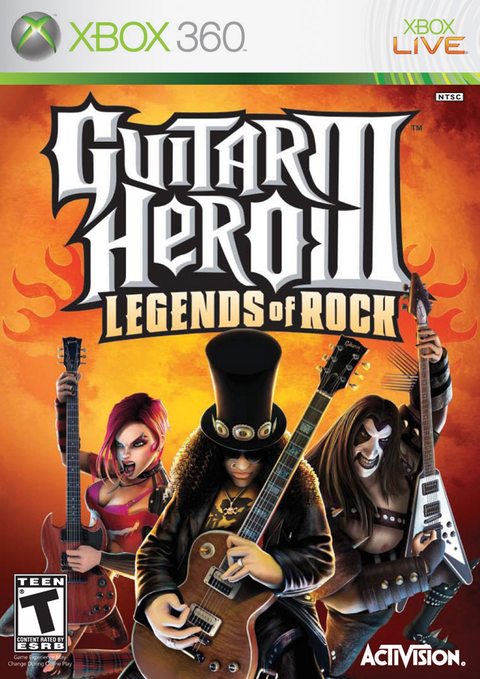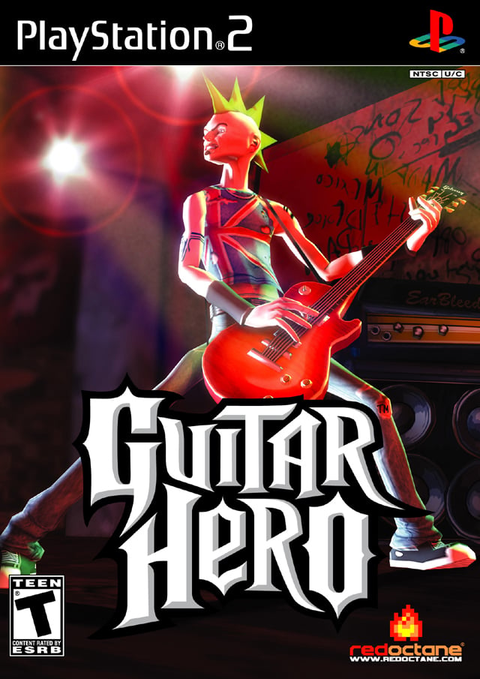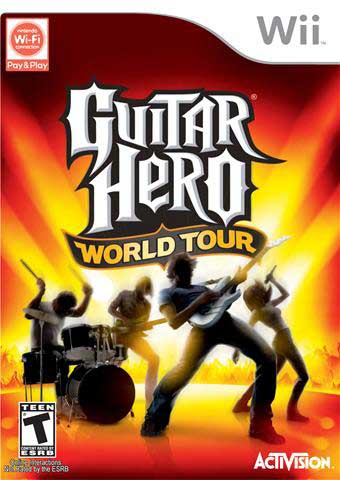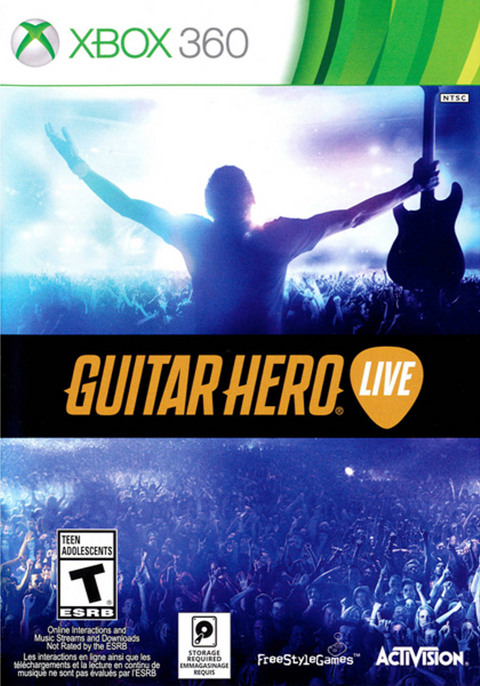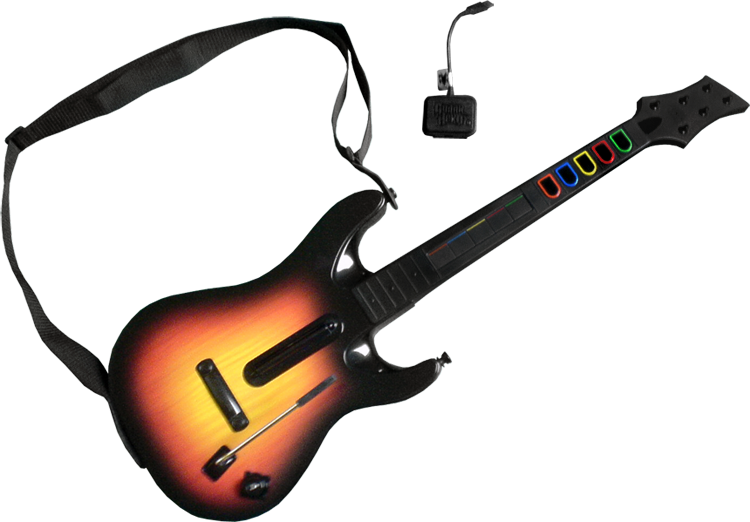
A copy of Guitar Hero can be inexpensive. Building a setup that actually plays it is where the plastic-guitar archaeology begins. The disc, guitar, receiver, console and sometimes even a Wii Remote all need to belong to the same technological family. Miss one piece and your living-room rock show becomes a very quiet equipment inspection.
This guide is for buyers rebuilding a Guitar Hero setup today. It does not promise that every instrument works with every game, because Activision's own compatibility guidance does not promise that either. The useful rule is simpler: identify the exact platform, controller generation and required receiver before buying anything.
The disc is only one piece
Original Guitar Hero releases were sold in several forms, including software-only packages and bundles with instruments. That history matters on the used market. A case marked complete can describe the game packaging without magically producing a full-size guitar from behind the manual. Unless a current listing explicitly includes a controller, receiver, microphone or drum kit, treat it as game software.
The original PlayStation 2 game centers its interface around five colored fret buttons, a strum bar and a whammy bar. That controller is not a decorative bonus. It is the reason the game feels like Guitar Hero instead of a difficult argument with a standard gamepad.

Match the platform first
Start with the logo on the game case. PlayStation 2, PlayStation 3, Xbox 360 and Wii hardware should not be treated as interchangeable just because the plastic shells all look ready to perform the same power ballad.
Activision's Classic Guitar Hero FAQ gives a useful example with Guitar Hero: World Tour. It says the PlayStation 3 edition supports earlier Guitar Hero guitars made for that console, while the Xbox 360 edition supports earlier Guitar Hero guitars made for Xbox 360. For Wii, Activision limits its compatibility statement to earlier Wii Guitar Hero guitars and says other peripherals are not supported for that version. Compatibility can change between titles, so verify the exact game instead of extending one chart across the entire series.
The connection method matters too. Activision's official Wii controller guide tells the player to connect and insert a Wii Remote into the guitar. On PlayStation 3, wireless Guitar Hero hardware commonly relies on a matching USB receiver, and Activision's support instructions specifically tell users to connect the wireless dongle to the console. A loose guitar without its receiver can be a fantastic wall decoration. Wall decoration was probably not the plan.

Guitar Hero Live is different
Guitar Hero Live is the dangerous look-alike in the bin. Its guitar uses a six-button layout arranged in two rows, not the classic five colored fret buttons. Activision states that older five-button Guitar Hero controllers do not work with Guitar Hero Live. It also warns that using a Live controller with older games is not recommended because the older software can misread its inputs.
Receivers are part of that separation. Activision says adding a second Guitar Hero Live guitar requires a second dongle compatible with the system. Buying two guitars and one receiver does not create a complete two-player setup. It creates one working guitar and one plastic reminder to read the support page first.
What to inspect before buying
When possible, test the instrument with the exact console family and a compatible game. If that is not possible, check the following before money changes hands:
- Platform label: Confirm whether the guitar is for PS2, PS3, Xbox 360, Wii or another system.
- Receiver: If the controller uses a USB dongle, verify that the correct receiver is present and matches the platform.
- Battery compartment: Look for corrosion, swollen batteries or residue around the contacts.
- Strum bar: Test both directions and listen for inconsistent inputs.
- Fret buttons: Press every button individually and in combinations. A button that works alone can still fail during chords.
- Whammy bar and tilt: Confirm that the bar returns normally and that motion activation registers when the game supports it.
- Neck connection: On models with detachable necks, inspect the contacts and locking mechanism for looseness or damage.
- Wii Remote connector: On Wii guitars that use a Wii Remote, inspect the internal cable and plug instead of assuming the remote alone solves everything.
Also check what the sale actually includes. A game case, disc and manual can be a complete software copy while still being nowhere near a complete instrument bundle. Those are two different collecting goals and should be priced, stored and described that way.

What still works without servers
Activision's Classic Guitar Hero FAQ states that the Guitar Hero: World Tour multiplayer servers were shut down. That means a used copy should not be sold as a ticket to its original online ecosystem. The physical games still matter for their disc-based songs and supported local modes, but downloadable tracks, account features and online play should never be assumed to function just because the disc boots.
This is where the old hardware becomes both the hassle and the appeal. A working local setup can still deliver the thing Guitar Hero did best: handing someone a plastic guitar, selecting a song and discovering that confidence is not the same skill as rhythm. Just build the setup deliberately. Platform first, controller generation second, receiver third, dramatic stage pose last.
Sources
Featured image: Guitar Hero World Tour PlayStation 3 controller by Alphathon, licensed CC BY-SA 3.0 via Wikimedia Commons. Product and gameplay images are retained Zypher catalog assets with their recorded attribution.