
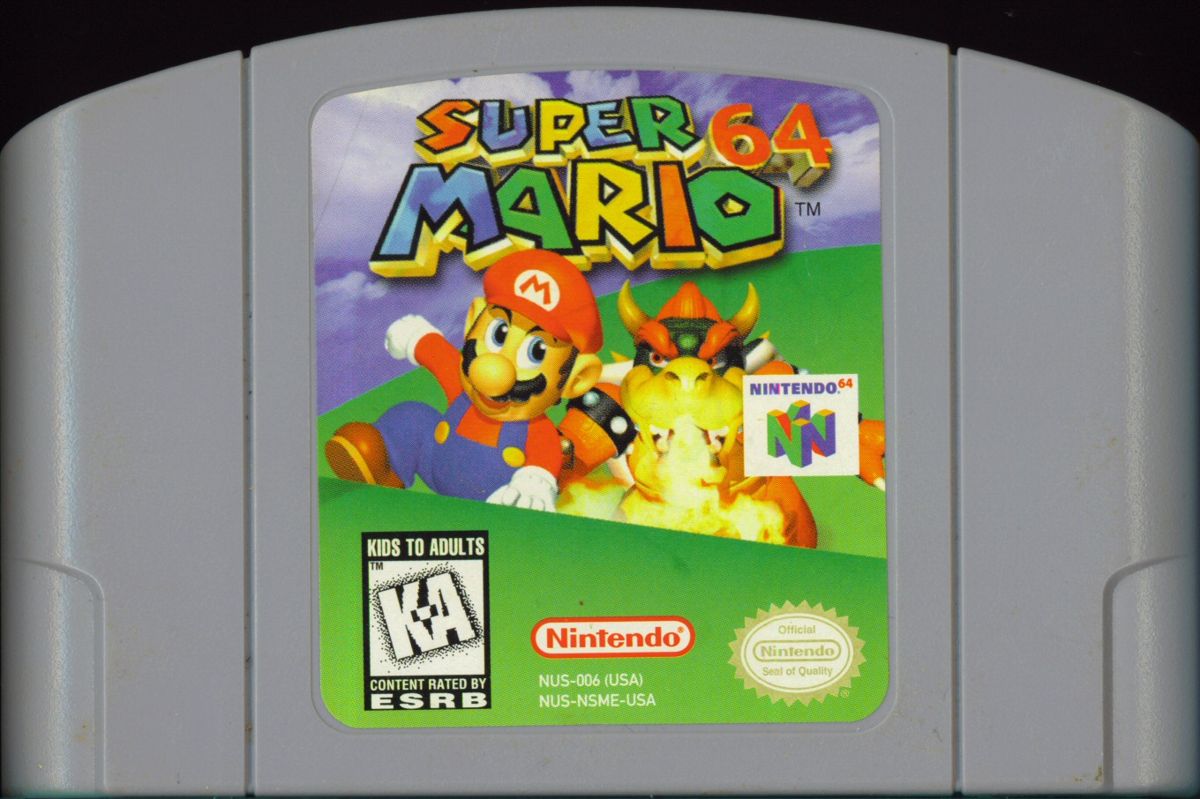
Counterfeit and reproduction cartridges are common enough that retro-game buyers should know what to inspect. No single visual clue proves authenticity in every case, but several checks together can expose many obvious fakes.
Compare the label carefully
Look for incorrect fonts, blurry printing, unusual color saturation, poor alignment, missing trademark details, misspellings, or label material that looks noticeably different from known authentic copies.
Inspect the cartridge shell
Wrong screw types, incorrect plastic texture, unusual seams, molding differences, and poor fit can be warning signs. Keep in mind that legitimate shells can also show age, wear, fading, or replacement screws.
Look at the circuit board when appropriate
For valuable cartridges, the circuit board is often the strongest authenticity check. Genuine boards typically use recognizable layouts, chips, date codes, and manufacturer markings. A cheap modern board inside a supposedly vintage cartridge is a major red flag.
Be careful with batteries
A replaced save battery does not automatically make a cartridge fake. Authentic games frequently need battery replacement after decades. The board itself matters more than whether the battery is original.
Watch for prices that make no sense
If an expensive game is being sold in large quantities at a tiny fraction of its normal physical-market price, investigate before assuming you found an unbelievable deal.
Use multiple reference points
Compare the game against several known-authentic examples, not one random marketplace photo. Regional variants, legitimate manufacturing revisions, and label changes can create real differences.
Why authenticity matters at Zypher
Zypher inspects submitted items for authenticity before final Buy List payout and sells physical inventory as genuine products. Browse video games for sale, or check what your retro games are worth.


