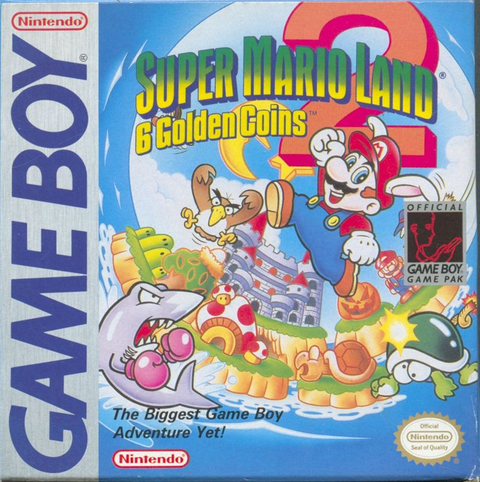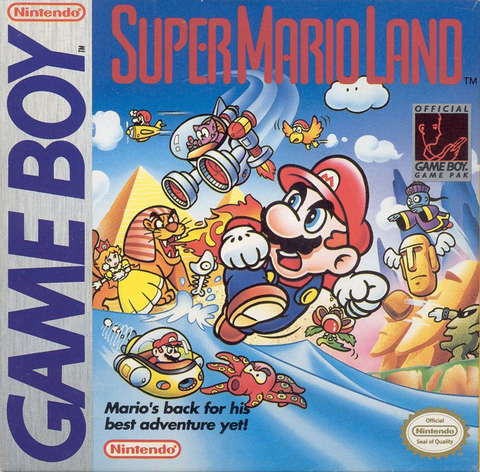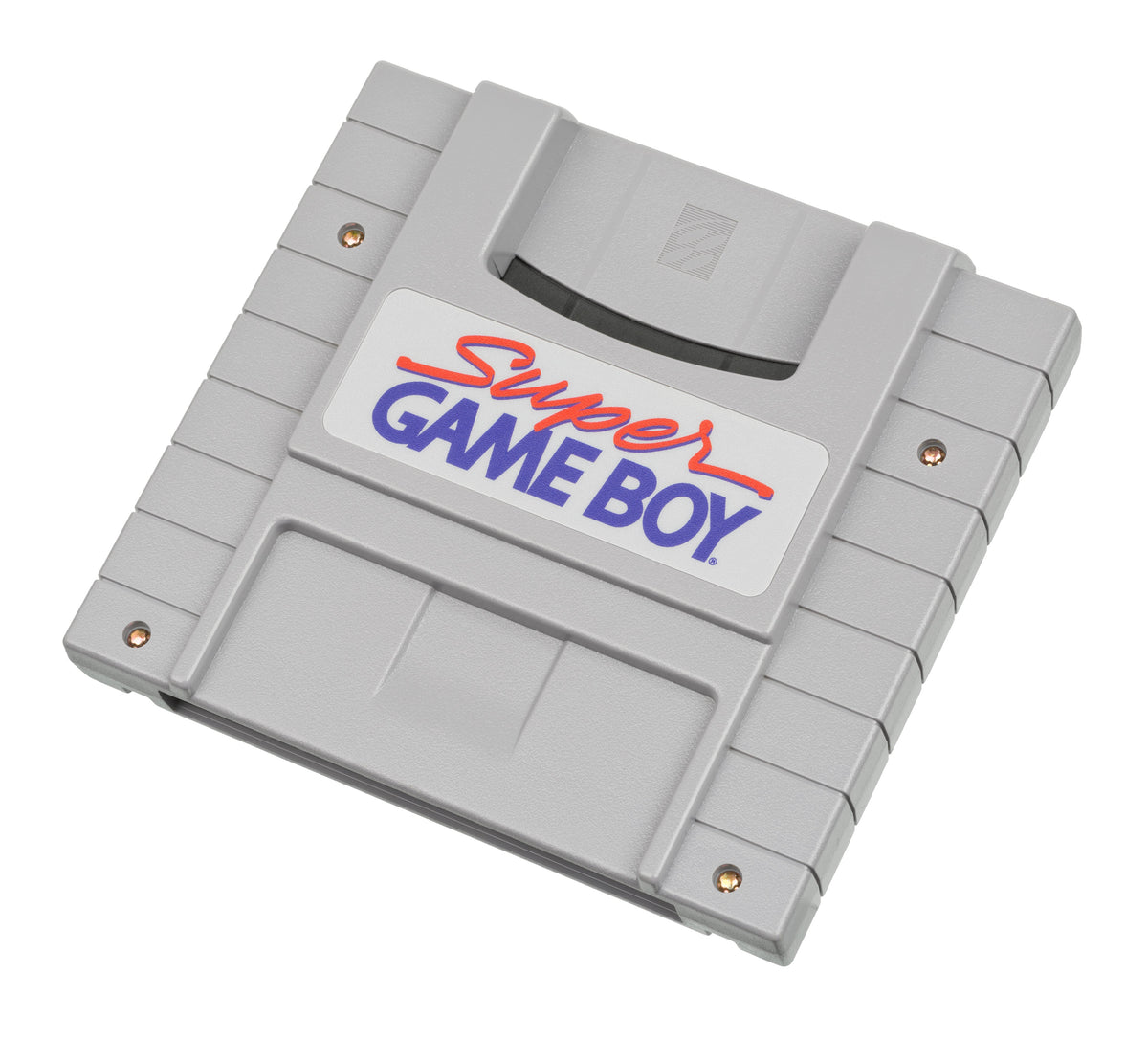
Put Super Mario Land 2: 6 Golden Coins for Game Boy beside a Super Game Boy and the appeal is obvious: the cartridge gets a television-sized outing. The confusion starts when the word “color” enters the conversation. Changing a palette is not the same thing as adding Game Boy Color hardware.
This guide covers the original North American Super Game Boy, using Nintendo's SNS-A-SG(USA) instruction booklet. It is a guide to choosing the right cartridge and using the original system menu, not a promise about every adapter, imported revision or modern clone console.
First separate the game from the presentation
Super Game Boy runs original Game Boy cartridges through Super NES on a TV. Its menu changes presentation and controls, rather than making the cartridge a different game.
That matters when shopping. “Plays Game Boy games in color” can sound like a claim about the later Game Boy Color library. It is not enough information to buy from. Ask which game, which cartridge version and which hardware are being demonstrated. The accessory's name cannot answer three different compatibility questions by itself.
Nintendo's Japanese cartridge documentation separately identifies Game Boy Color-only and Game Boy Advance-only software. The former is listed for Game Boy Color, GBA, GBA SP and Game Boy Player; the latter for GBA, GBA SP and Game Boy Player. Neither list makes the original Super Game Boy a supported destination. Those pages are in Japanese, with the cartridge categories identified in their headings.
Do not turn that into “every game sold under the Game Boy Color name is identical.” Identify the exact cartridge's documented compatibility. A seller saying “it fits” has described a shape, not finished the research.
The palette menu is part of the fun
The booklet lists 32 palettes, nine borders and custom color/button options. SGB Enhanced colors and borders depend on the game.
Our recommendation is to try a palette while looking at a familiar section of the game. Can you distinguish the character, the floor and the background comfortably? That is more useful than picking the loudest combination because it looks impressive in a photograph. The important color choice is the one that helps you read the game.
A custom presentation also has value without pretending it is a remake. You can prefer one look for a particular session and change your mind later. The original cartridge remains the reason to play; the frame is there to serve it, not win an argument with it.
Open the menu without abandoning the jump
L and R together open the System Window. Pause first: gameplay continues. Controller 1 plays; Controller 2 can operate the menu while Controller 1 plays.

That last detail is worth remembering before handing someone the second controller. Menu control and game control are different jobs. A friend rearranging the display while you play might be helpful. It might also be a very efficient way to start an argument about the color of a pipe.
Button preferences deserve the same practical approach. Pick a layout you can use comfortably and test it somewhere forgiving before returning to a difficult section. There is no collector bonus for insisting that an unfamiliar arrangement must be better just because it is the first one you tried.
Set it up with the power off
Insert the cartridge label-forward, then Super Game Boy into the powered-off Super NES. Power off before removing either. For an X at startup, power off and check insertion.
Use that documented sequence as the starting point for a demonstration when buying used hardware. Ask to see the actual accessory and intended cartridge working together, rather than relying on a photograph of a title screen from an unidentified setup. A listing should tell you which items are included. The game in a demonstration is not automatically part of the sale.

Two controller sockets do not replace a link cable
The original manual excludes Game Link cable use and the handheld games’ simultaneous linked two-player modes. Controller sockets alone do not establish multiplayer support.
If a particular title's multiplayer is the whole reason for your purchase, read that title's instructions before buying hardware around it. “Two-player game” is a description that still needs a method attached. Know whether you are planning alternating turns, a documented special mode or a handheld link arrangement.
For the different GameCube accessory, our Game Boy Player feature explains its original startup components. Similar names are a good reason to check the model twice, not a reason to assume the accessories behave alike.
Build the cartridge shelf with Zypher
Start with games you want to return to. Zypher has listings for Super Mario Land for Game Boy and Super Mario Land 2: 6 Golden Coins for Game Boy. Check each listing's condition and included items. These are game listings, not promises that a Super NES, Super Game Boy or controller comes with them.
Have duplicate cartridges or games you no longer play? Sell your old games to Zypher and check the Buy List's current eligibility and condition requirements. Give the shelf space to something you will actually put in the slot.
Sources and hardware photos
- Nintendo's original Super Game Boy SNS-A-SG(USA) instruction booklet, preserved scan: setup/menu/SGB Enhanced sections.
- Nintendo Japan: Game Boy Color-only cartridge compatibility.
- Nintendo Japan: Game Boy Advance-only cartridge compatibility.
Sources checked October 30, 2026. Hardware photographs by Evan-Amos, released into the public domain and shown unaltered. Featured image: North American Super Game Boy. Inline photos link to their individual permission pages.